



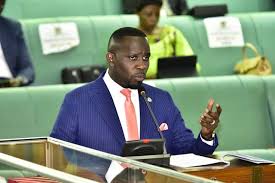

By now, Hon. Joel Ssenyonyi has earned a reputation for having the fastest inbox in Uganda. A parent sneezes in Mbale, and within seconds, Ssenyonyi has the message, framed, captioned, and posted for public outrage. But let’s be realistic, if I have a problem with my child’s school in Mbale, do I call the MP for Nakawa or the head teacher? Or perhaps next time, I should report my broken tap to the Clerk of Parliament?
By nature, birds fly everywhere and “Ssenyonyi,” fittingly, means just that. Yet, one begins to wonder whether this particular bird is trying a bit too hard to perch on every branch in the country. Maybe that’s why their rallies in western Uganda struggled to pull a crowd too busy flying around Museveni’s rallies counting yellow shirts instead of blue voters.
Now, about students attending NRM rallies: this isn’t the scandal Ssenyonyi wants it to be. Uganda’s Constitution clearly gives every citizen the freedom of assembly and participation in national affairs. Students aged 18 and above are adults they can vote, marry, and yes, attend a rally. Those below 18 can still attend under supervision, not to campaign, but to learn. It’s called civic education, not indoctrination.
In fact, participation in political events offers real-world exposure that classrooms often can’t. How else will the next generation understand governance, leadership, and patriotism if they’re told to stay indoors every time the President visits? The NRM government’s programs from UPE and USE to Patriotism Clubs and YLP all emphasize producing responsible, informed citizens. Seeing their leaders firsthand reinforces those values.
Let’s not confuse exposure with exploitation. When managed responsibly, such attendance promotes peace, discipline, and awareness the very qualities our schools aim to instill.
So before every bird with Wi-Fi starts broadcasting “breaking news” about students in yellow T-shirts, maybe let’s ask the obvious: since when did civic education become a crime?