



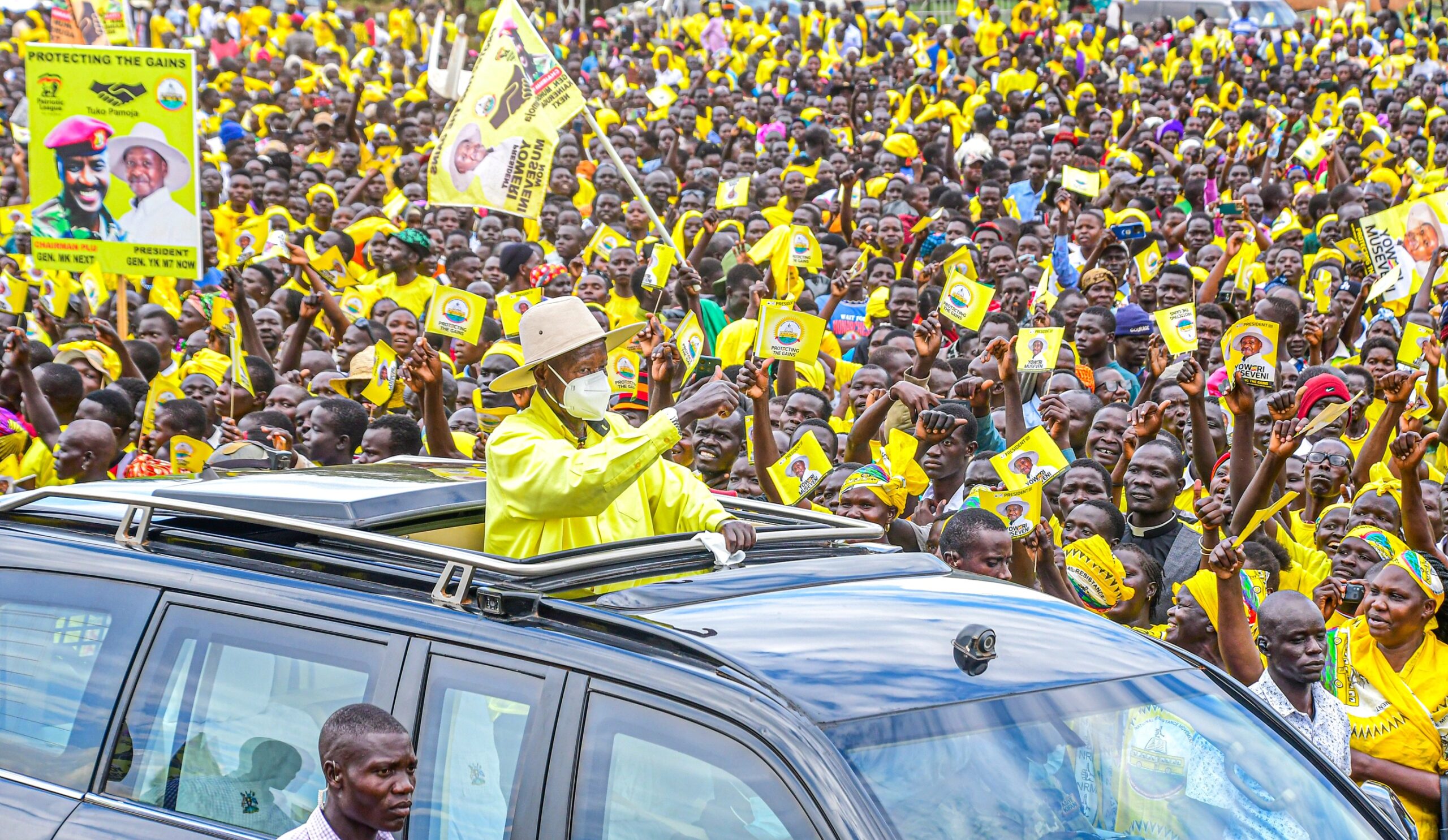

According to the Electoral Commission of Uganda, there are 19,925,574 registered voters in the country as of 2025. That’s nearly 20 million souls real people, not profile pictures or Zoom squares. And yet, when one looks at how some of our political parties are behaving this election season, you’d be forgiven for thinking we’re holding a virtual election where the loudest tweet counts more than a village rally.
The numbers tell a story that satire itself could barely exaggerate. Out of 499 constituencies, the National Resistance Movement (NRM) has managed to plant candidates like matooke in every district, every corner, every hill. In some subregions, NRM’s presence is so thick you could confuse it for a national census rather than a nomination list.
Meanwhile, our other parties the dreamers of democracy and prophets of change seem to have decided that winning an election doesn’t necessarily require being on the ballot everywhere. No, no. Why sweat in Karamoja’s dust when you can hold a press conference in Kampala and call it “strategic engagement”?
Some of these parties, by their own nomination numbers, have what I can only describe as a “faith-based campaign.” They believe in things not yet seen like victory in regions where they don’t even have a candidate. It’s a new kind of theology: “And the candidate spoke, saying, Let there be votes and behold, there were none.”
How, one wonders, do you plan to win a national election without a national presence? The NRM, for all its faults, at least understands that politics is not conducted in hashtags and hotel pressers but in dusty trading centers, funeral meetings, and boda stages. In Karamoja, for instance, you’ll find more NRM posters than goats. Meanwhile, some opposition parties seem to have appointed faith as their campaign manager and optimism as their district chairperson.
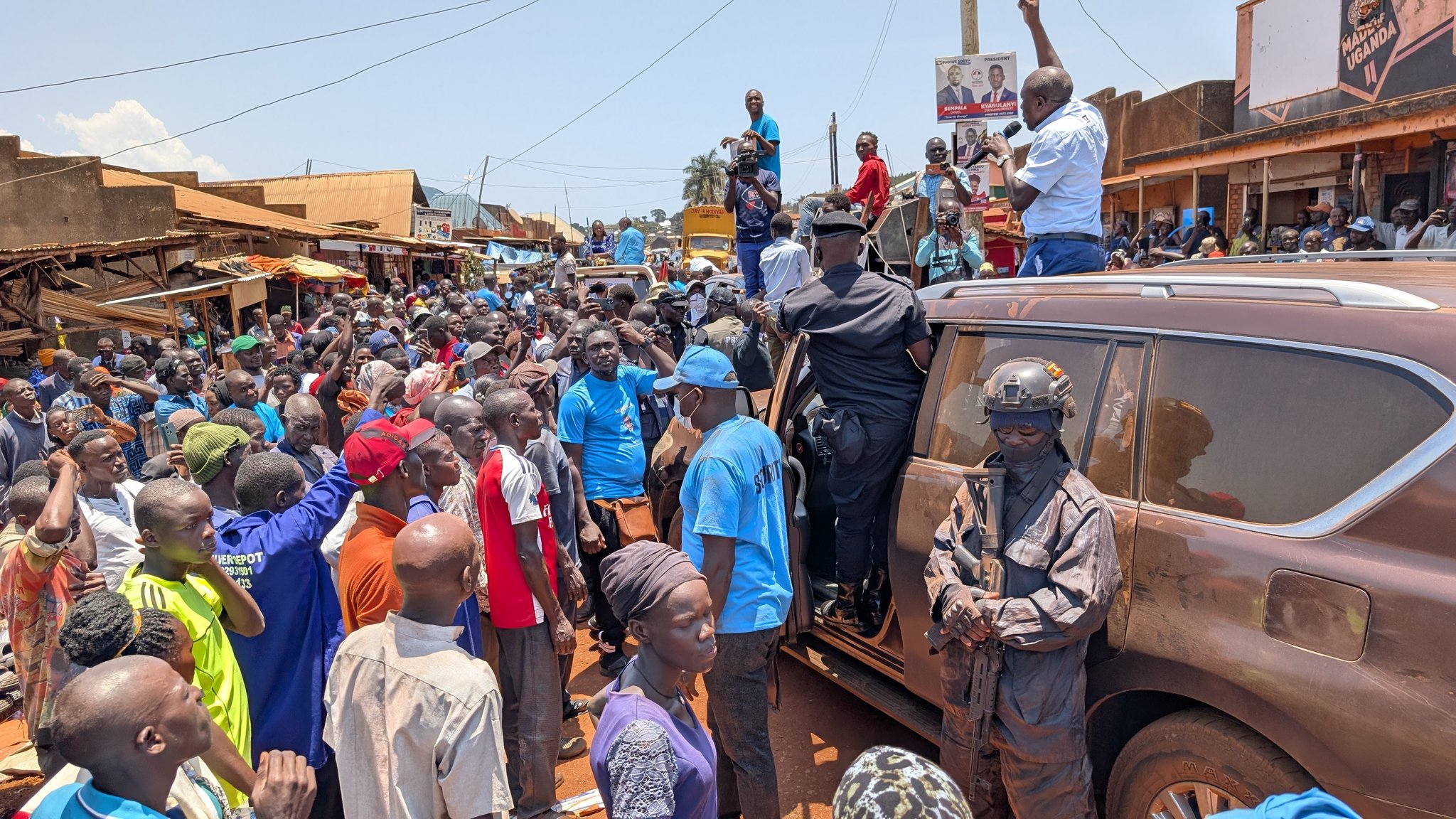
It’s almost comical the same parties that shout about “grassroots empowerment” have no grass, no roots, and occasionally, no soil. Their campaigns begin and end in Central Region WhatsApp groups. In Buganda and Busoga, yes, the National Unity Platform (NUP) still commands visible enthusiasm and real presence but travel to Ankole, Rwenzori, or Bunyoro, and you might think multiparty politics was still a rumor.
And then there are the older parties FDC, UPC, DP whose nomination numbers look like attendance registers at a family meeting. Once national voices, now regional whispers. Their supporters insist they are “strategically focusing their energy,” which is political language for “we ran out of fuel money.”
But perhaps that’s the point. Maybe we’ve entered the age of prophetic politics — where manifestos are replaced with miracles, and party agents are replaced with angels. Maybe it’s not about winning polls but winning prophecy. Maybe the slogan is no longer “Vote for me,” but “Believe for me.”
And yet, when the results come in, there will be shock and outrage. “We were rigged!” they will say even in constituencies where they had no candidate. The mathematics won’t matter, the geography won’t matter, and the grassroots will remain conveniently invisible.
Uganda’s 2026 election is shaping up to be a fascinating contest: one party with physical structures, and several others with spiritual confidence. The rest of us can only watch as democracy becomes an Olympic sport of imagination.
In the end, numbers don’t lie but sometimes, politicians do.