



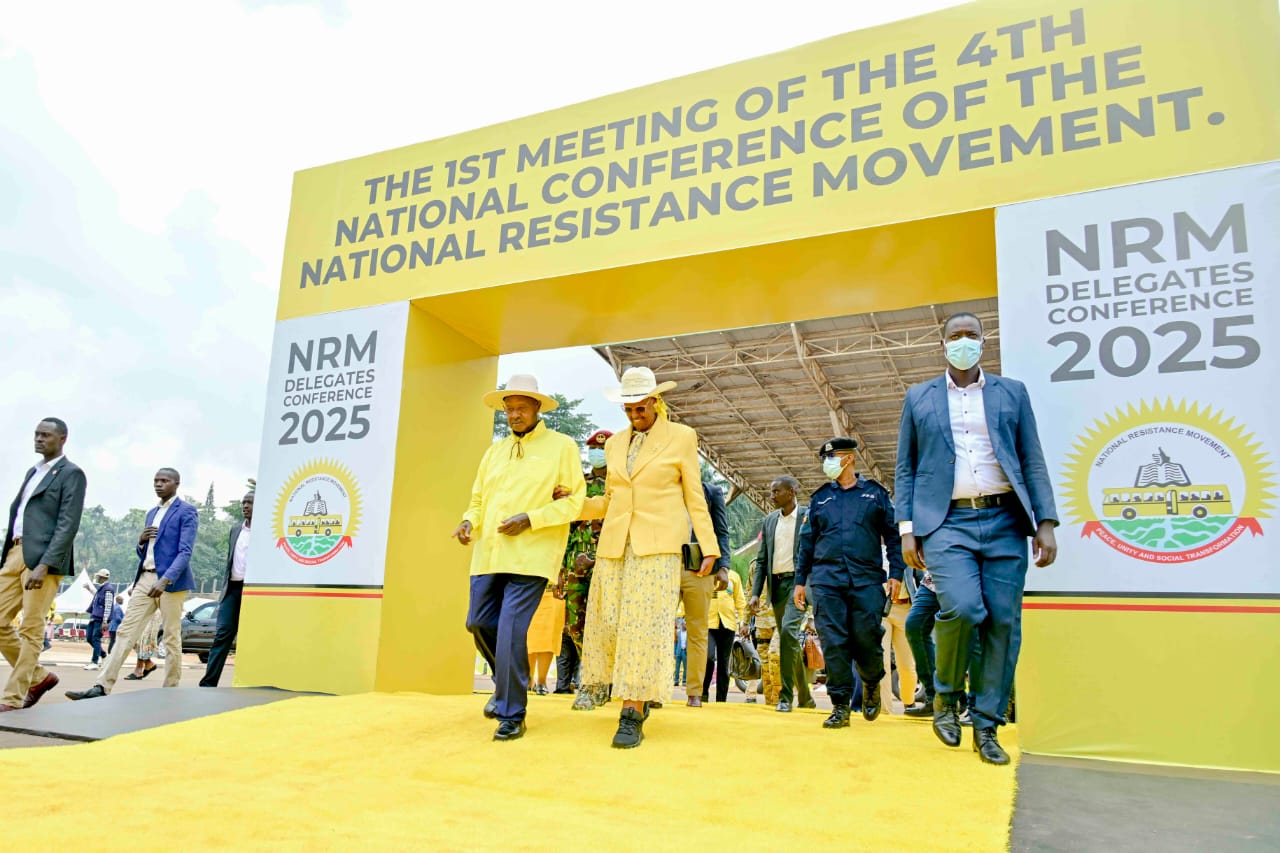

At exactly 9:00am, Kololo Independence Grounds was already awash with yellow. Thousands of delegates, waving flags,posters and breaking into song, streamed in for the NRM National Delegates Conference. Yet, before they even reached the tents, it was the sight of the men and women in uniform that caught the eye.
Neatly arranged in their posts, the Uganda People’s Defence Forces (UPDF) were the first line of order at the venue. Calm, composed, and disciplined, they ushered the day into motion.
To many delegates, the UPDF’s presence was not only comforting but expected. “Whenever I see soldiers around, I know the event will be peaceful,” said Sarah Nakato from Mukono, clutching her delegate card. “We are many here, and sometimes tempers flare. But with the army watching, everyone behaves.”
Another delegate, a youthful man from Mbale, leaned in to add: “You cannot talk about the NRM without talking about the army. They brought us this far, and now they are making sure our elections are safe.”
The UPDF’s presence at the conference is more than security, it is a reminder of history. Born out of the liberation struggle of the 1980s, the army has remained central to the NRM story. “The UPDF is like the spine of the Movement,” noted Maj. (Rtd) Grace Byaruhanga, one of the veterans who once marched through the Luweero bushes. “Without them, we would not be here today.”
Still, there are those who question whether the army should be so visible at a party event. Civil society voices often raise concern about where the line is drawn between state and party. But within the confines of Kololo ceremonial grounds, delegates dismissed the criticism. “We must be realistic,” said Hajji Musa Sebunya from Luweero. “With tens of thousands gathered here, who else can manage the security? The police alone cannot. The UPDF is our pride; they serve all Ugandans, not just the NRM.”
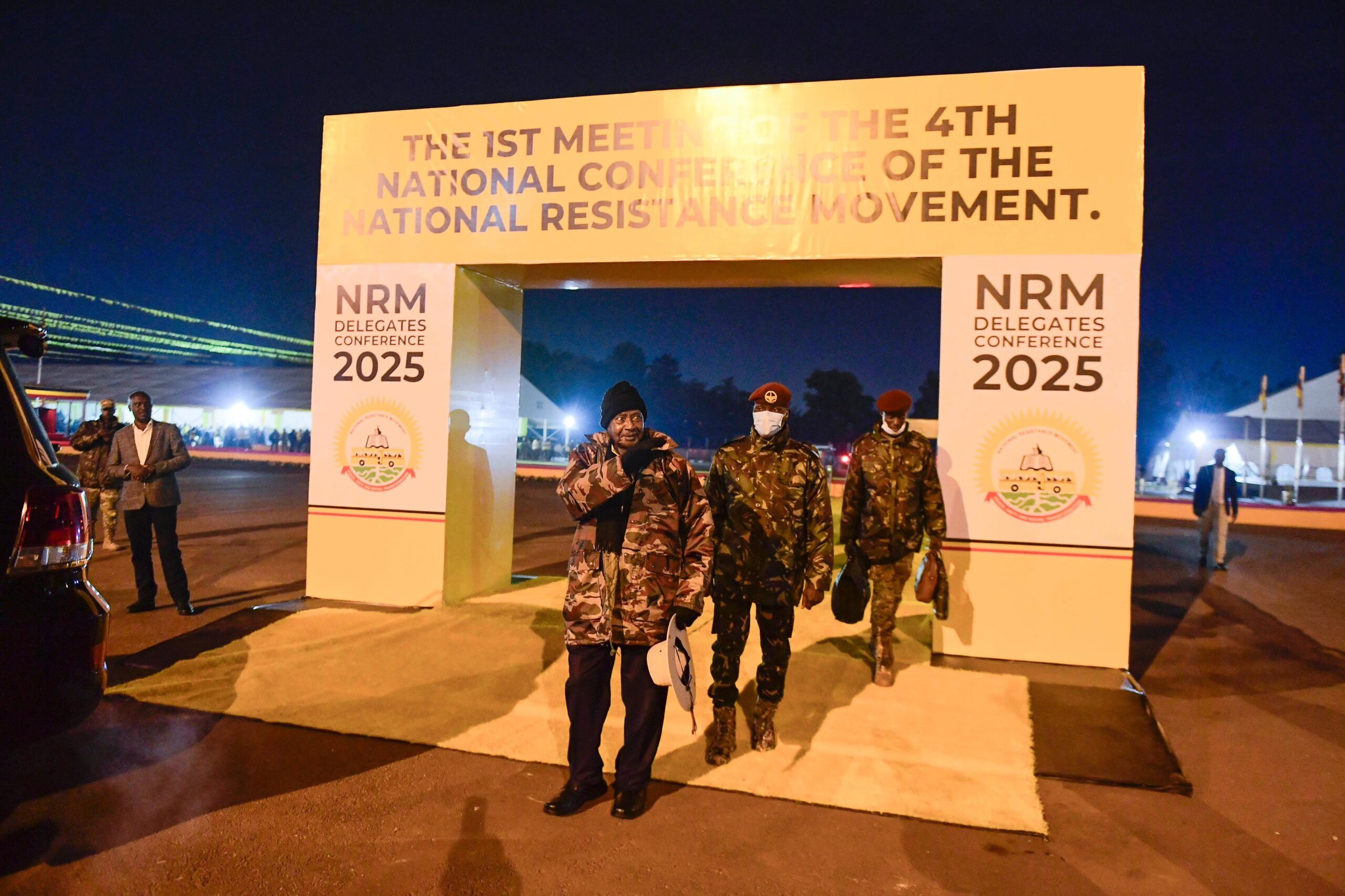
When President Yoweri Museveni took to the podium, he turned the spotlight back on the army, urging delegates to learn from its discipline and unity. “What you see in the UPDF is collective responsibility. They work together, they sacrifice together. That is what the NRM must learn from,” he told the cheering crowd.
The President also tied the army’s role to his broader vision for Uganda and the region, pledging to build a stronger and unstoppable security force for both Uganda and the East African Community.
Earlier this year, during the **Peace Day celebrations in Yumbe**, he reminded Ugandans of the importance of peace, structured development, and strong institutions. “We cannot afford a tribal army, tribal police, or tribal security services,” he said, stressing that national unity was the bedrock of Uganda’s progress.
As night fell and the results of the CEC elections began to trickle in, the soldiers were still at their posts helping tired delegates onto buses, keeping order, and ensuring the day ended as peacefully as it began.
For some, it was a reminder of how far Uganda has come. For others, it was a sign of the continuing partnership between the gun and the ballot. “I voted peacefully because the soldiers were here,” Nakato said with a smile. “They are not just protecting ballots they are protecting the future of our party.”
Aluta Continua…..!