





Recent media reports about the state of education in Oyam District have reignited debate about the quality of Uganda’s education system. While challenges undeniably exist, especially at district level, the narrative of a collapsing national system is inaccurate and ignores decades of progress backed by evidence. A fair assessment must recognize both the gaps and the gains.
To begin with, Uganda has made enormous strides in expanding access to education. The country remains one of Africa’s leaders in primary school enrollment, a result of Universal Primary and Secondary Education policies that opened school doors to millions of children. Today, more than 10 million pupils are in primary school an achievement unheard of before UPE.
Oyam District itself reflects this expansion. According to official district records, UPE enrollment rose from 142,119 learners in 2021 to 160,568 in 2025, and USE enrollment also increased during the same period. Staffing levels improved too, with primary school teachers increasing from 1,470 to 1,511, and secondary staff rising slightly from 212 to 215. These gains contradict the idea of a system in freefall.
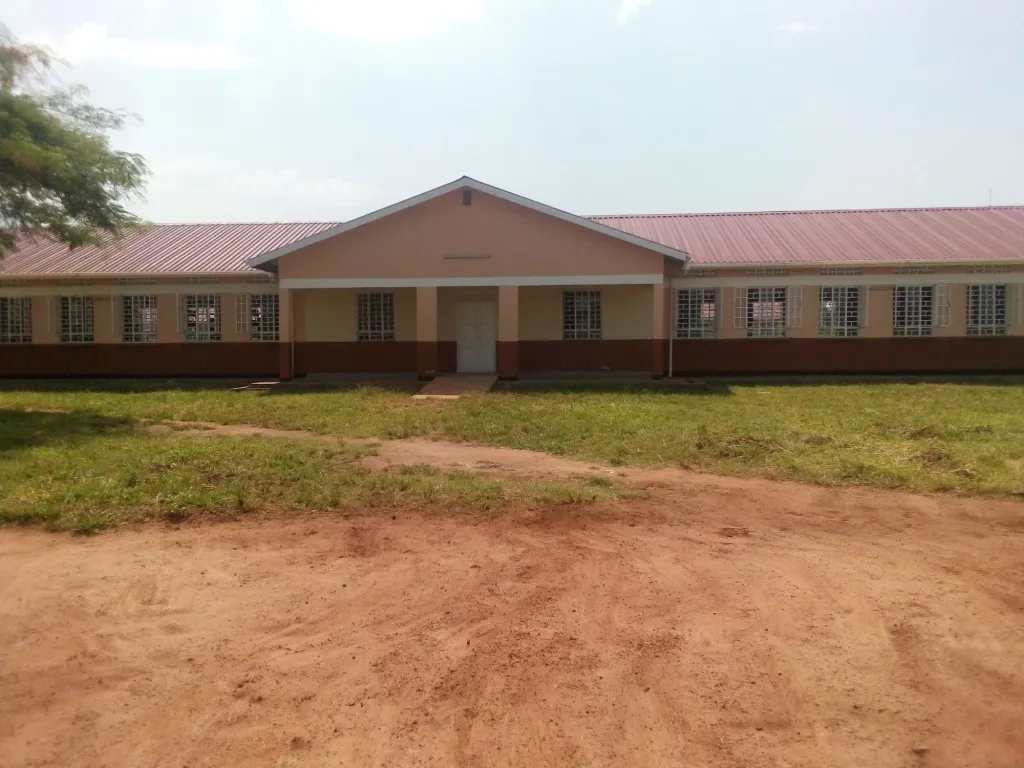
Infrastructure development has also been significant. In Oyam alone, Government constructed Amaji Primary School, a new library at Ngai Secondary School, an administrative block at Abok Seed Secondary School, and a multipurpose hall at Ngai SS. These investments are part of a broader national push under programs such as UGiFT, which continues to deliver classrooms, latrines, teachers’ houses, and new seed schools to underserved communities.
Nationally, learning outcomes are also improving gradually. Results from the National Assessment of Progress in Education show gains in early-grade literacy and numeracy over the past decade. Meanwhile, teacher management reforms, including the rollout of the TELA digital attendance system, are tightening accountability. Even in Oyam, teacher absenteeism sits at 12 percent significantly lower than historical figures.
This is not to say the concerns raised in Oyam are unfounded. Uneven teacher distribution, pre-primary access gaps, community-level socio-economic pressures, and population dynamics affect learning outcomes. But these are localized problems that require targeted solutions, not proof of national policy failure.
Uganda’s education sector is not broken. It is evolving. It has expanded access, improved infrastructure, strengthened supervision, and raised literacy levels. What we need now is honest dialogue that acknowledges progress while addressing the remaining gaps. The story of Uganda’s education system is not one of collapse but one of continuous rebuilding district by district, school by school, child by child.