



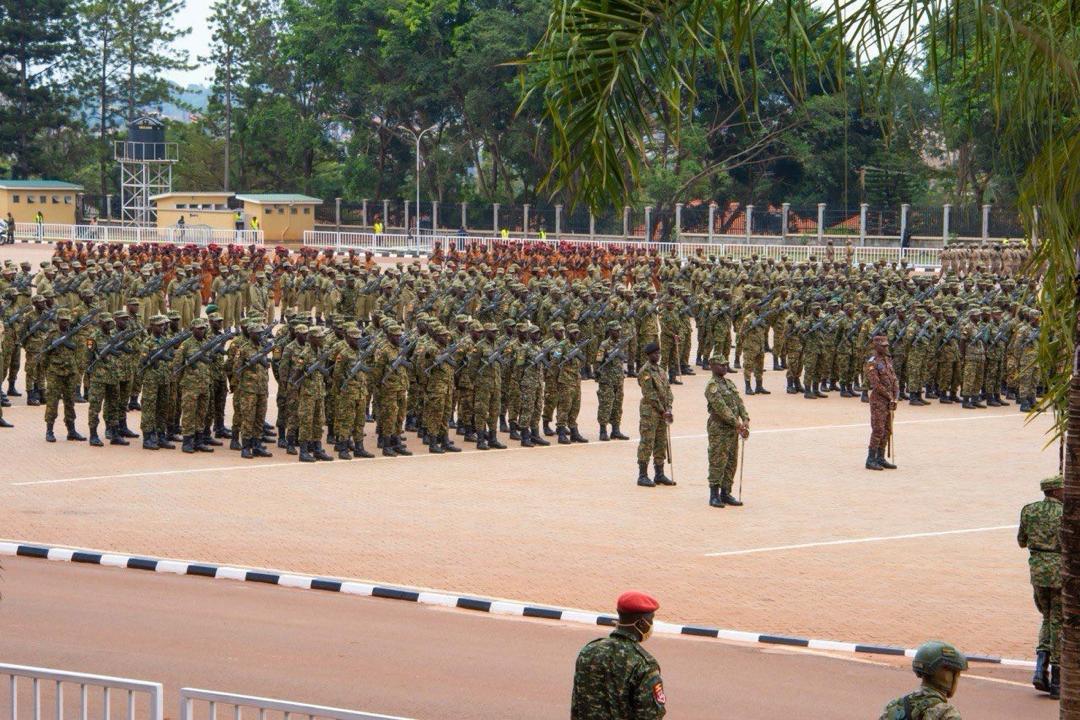

As Uganda prepared for the 2026 presidential nominations, the Chief of Defense Forces (CDF), Gen. Muhoozi Kainerugaba, announced that the Uganda People’s Defense Force (UPDF) would provide security to all presidential candidates.
In a post on X (formerly Twitter), Gen. Muhoozi stated, “I have said it once and for all, all presidential candidates will be guarded only by the SFC. Any personal arrangements that do not conform to our standard operating procedures (SOPs) will be smashed immediately.”
Gen. Muhoozi’s statement drew mixed reactions. While some presidential hopefuls criticised the directive, arguing for the right to organise their own security teams, others welcomed the move as a step toward ensuring order during the election period.
For Gen. Muhoozi and those in support, the priority was to maintain a united and peaceful Uganda throughout the 2026 elections. Allowing each candidate to form personal militias, they argue, could lead to disorder and instability. Following the directive, each presidential candidate was officially assigned a special security team.
UPDF personnel have since also been seen across various parts of the country, working alongside the Uganda Police Force to provide security in campaign areas and ensure a peaceful electoral environment. This proactive role by the UPDF aligns closely with this year’s Independence theme: “63 Years of Independence: A Reason to Double Our Efforts in Sustaining a United and Progressive Nation.”
As Uganda marks 63 years of independence, the UPDF’s continued commitment to safeguarding peace and national unity underscores its central role in shaping a stable and cohesive future for the nation. Without the UPDF’s steadfast involvement in securing the country, especially during elections, Uganda could easily risk slipping back into the divisions that characterised the early post-independence era, when the nation was split along tribal and religious lines.
Those divisions sparked years of instability and civil conflict. From independence in 1962 to 1986, when the National Resistance Army (NRA), which later evolved into the UPDF, took power, Uganda experienced numerous bloody conflicts and coups d’état that threatened national unity and claimed countless lives. The 1980 general elections, which were conducted along tribal lines, for example, sparked a civil war that brought President Yoweri Museveni and the National Resistance Movement (NRM) to power. It is from that turbulent history that the UPDF has learned to prioritise security and stability above all else.
The End