



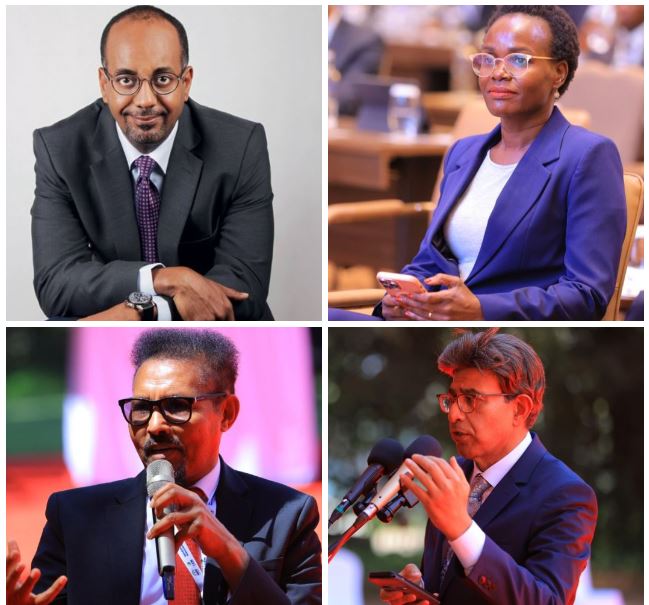

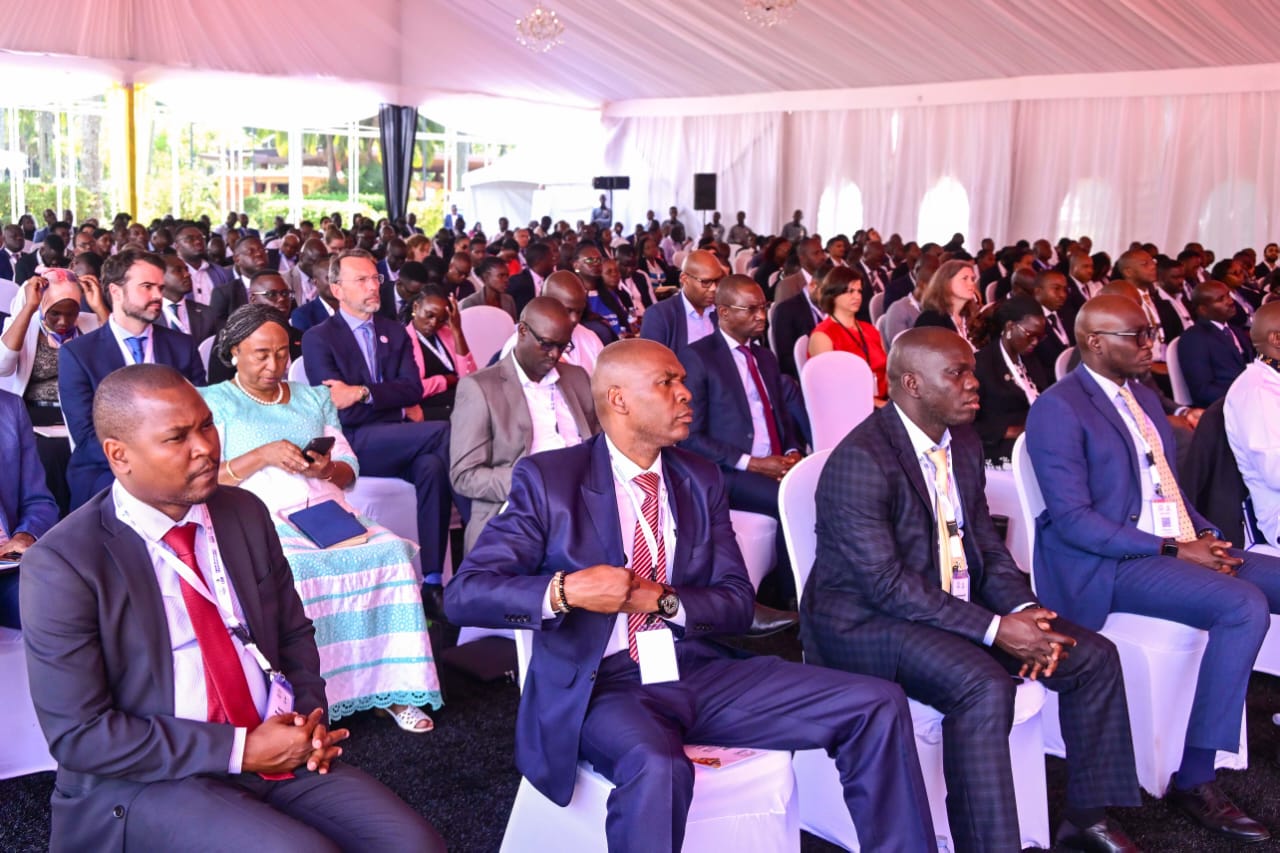
The just concluded Uganda Development Finance Summit (UDFS25), has not only showcased Uganda’s bold ambitions but also amplified global voices demanding a seismic shift in how Africa finances its future. From calls for local capital mobilisation to blended finance solutions, four leaders left delegates at the Summit with unmissable soundbites and a challenge to rethink the continent’s trajectory. They include;
Arshad Rab: “Generational Poverty Can End in Our Time”
In a keynote that cut through the formalities, Arshad Rab, CEO of the European Organisation for Sustainable Development, declared: “We are in a new era, one in which many-fold growth of GDP is achievable within years rather than decades or centuries. Capital markets must become a defining part of the solution for mobilising local capital… A development agenda anchored on high-value addition is the surest path to ending generational poverty.”
His message was clear: Africa can no longer afford the slow, dependency-driven models of yesterday. The real power lies in unlocking capital markets and creating high-value economies. Rab reframed Africa’s challenge from “poverty management” to wealth acceleration, a daring shift that demands courage from policymakers and financiers alike.
Arkebe Oqubay: “Africa Must Be in the Driver’s Seat”
During a fireside chat, Ethiopia’s veteran reformer Dr. Arkebe Oqubay struck a pragmatic tone: “We must tap donor assistance where possible, but we also have to rely on domestic resources, and we must be in the driver’s seat.”
Oqubay’s words reminded delegates that aid has limits. For Africa to transform, it must trust its own domestic systems while treating external support as complementary, not foundational. His warning doubles as a rallying cry; Africa’s future cannot be outsourced.
Admassu Tadesse: “Blended Finance Is Africa’s Gamechanger”
Although direct quotes were not captured at UDFS25, Admassu Tadesse, President and MD of the Trade and Development Bank (TDB), has consistently championed blended solutions that de-risk African trade and infrastructure. From past interventions, Tadesse has emphasised:
- Blended finance partnerships that pool public and private capital.
- Risk-sharing mechanisms to unlock trade across borders.
- Innovative SPVs to close Africa’s staggering USD100 billion trade finance gap.
In a summit defined by bold rhetoric, Tadesse’s approach stands out for its pragmatism. His blended-finance vision may well be the bridge between lofty ambition and real delivery.
Patricia Ojangole: “This Is a Call for Action”
Bringing the conversation home, Dr. Patricia Ojangole, Managing Director of Uganda Development Bank, challenged the continent to translate dialogue into durable systems: “This (summit) is not just a meeting of minds. It is a call for action. We must build resilience in Africa’s financing systems.” Her emphasis on resilience resonated strongly, especially in a country where development finance is under the microscope.
Ojangole reminded leaders that summits don’t transform economies; systems and execution do.
Why These Voices Matter
Together, Rab, Oqubay, Tadesse, and Ojangole shaped UDFS25 into more than a Ugandan event; they made it a continental debate on the future of African finance. The threads were consistent: local capital, self-reliance, blended finance, and resilience.But the open question remains: will African leaders take these ideas from podiums into policy?