


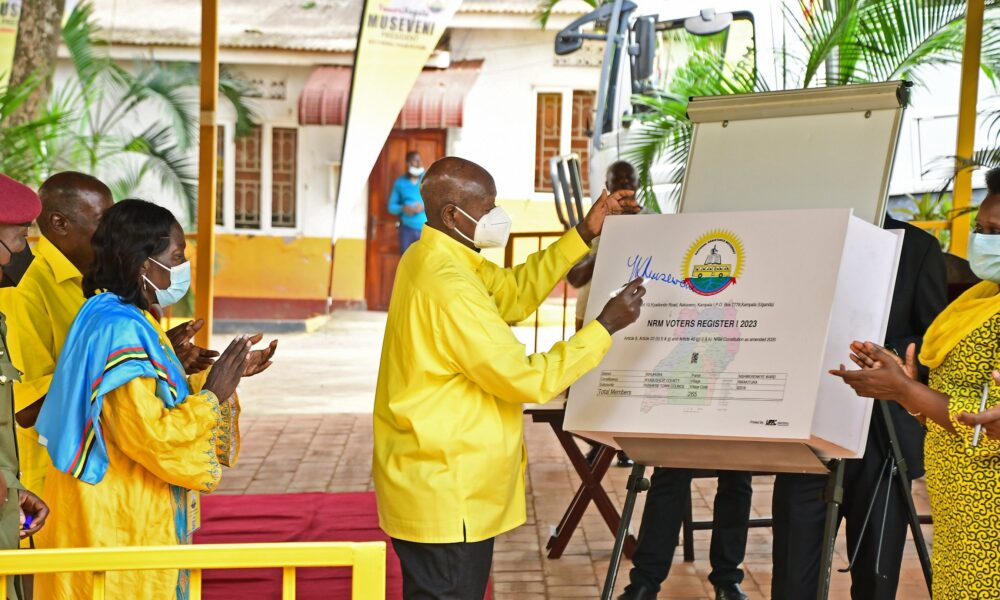

Recent internal elections within the National Resistance Movement (NRM) have, at times, drawn media attention for their intense competition and passionate displays of support. While some observers might interpret these moments as signs of “violence,” a deeper analysis reveals a far more positive and intriguing truth: for many Ugandans, particularly in NRM strongholds, the party’s internal primary is, in essence, the real election. The fierce competition for the NRM flag is a powerful testament to the party’s enduring popularity, its profound alignment with the aspirations of the people, and the strategic understanding that securing its endorsement is the clearest path to political victory and public service.
The visible energy, enthusiasm, and often spirited contention within NRM primaries are not indicators of weakness but rather reflections of immense strength. In a nation where voter apathy can sometimes loom, the NRM consistently manages to galvanize an extraordinary level of engagement. When thousands of party members are willing to dedicate significant time and resources, passionately debate their preferred candidates, and express their choices with unwavering fervor, it signifies a profound belief in the NRM’s capacity to deliver on their hopes. This isn’t the quiet resignation of a disillusioned populace; it is the vibrant roar of a people deeply invested in their collective future through the vehicle of the NRM.
The intensity of these internal contests is a direct consequence of the NRM’s status as the dominant political force in Uganda. With a commanding majority in Parliament (336 out of 529 directly elected seats in the 2021 general elections), the NRM offers a clear and proven pathway to governance. Aspiring leaders, keenly aware of this reality, understand that securing the NRM ticket is not merely an internal party matter, but often the decisive moment in their journey to representing their communities and contributing to the national agenda. This high-stakes environment naturally attracts ambitious and dedicated individuals, making the internal primary a crucible where leadership is forged and public trust is vied for.
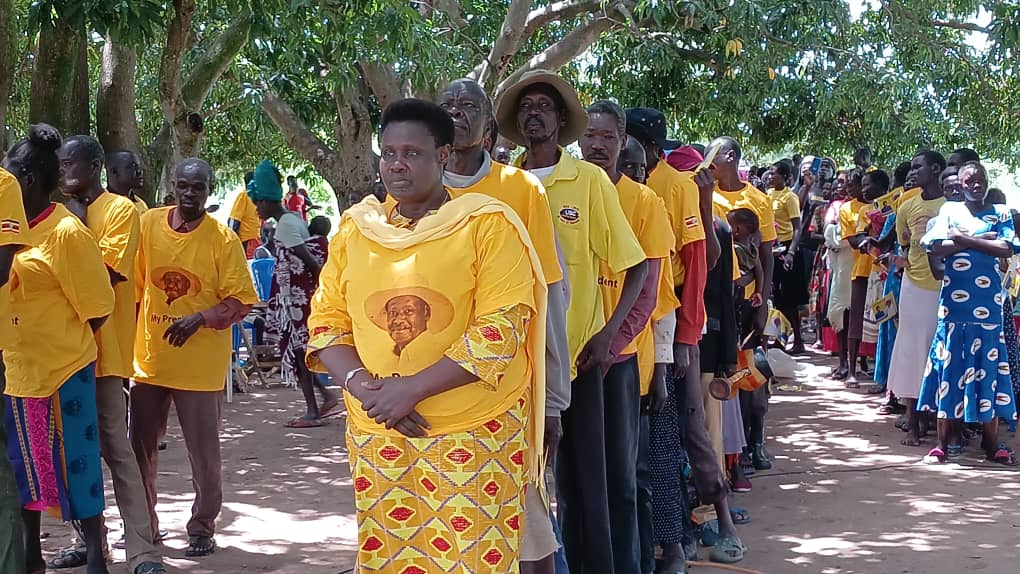
Furthermore, the NRM’s consistent ideological commitment to peace, stability, and socio-economic transformation continues to resonate deeply with the aspirations of ordinary Ugandans. From grassroots development initiatives to a focus on national unity, the party has cultivated a sense of ownership and belonging among its supporters. When citizens perceive the NRM’s vision as intrinsically linked to their own hopes for a better future – for their families, their communities, and their nation – they become fiercely protective and passionate advocates for its continued leadership. The energy observed in these primaries is a direct manifestation of this profound ideological alignment and the unwavering belief that the NRM is the most reliable custodian of their dreams.
The “Sure Win” Factor: Unpacking the Intensity
Crucially, while instances of “over-enthusiasm” or disputes in NRM primaries do occur, it is important to contextualize them as relatively scanty cases amidst a generally successful and well-organized internal election process. These isolated incidents are primarily concentrated in constituencies where the NRM’s dominance is so pronounced that securing the party flag is widely understood to be a “sure win” in the subsequent general election.
Consider constituencies such as: Isingiro District: This area has been a historical bedrock of NRM support, consistently delivering overwhelming electoral victories for the party. For instance, in past general elections, NRM candidates have routinely secured large majorities, making the contest for the party flag the true measure of electoral success.
Also Ntungamo District is another NRM stronghold with a deeply entrenched record of high electoral performance. Here, the competition within the NRM primaries reflects the reality that the primary is the de facto general election, where the actual decision of who will represent the constituency is often made.
In these and many other similar areas across Uganda, the NRM’s strong historical performance and overwhelming public support create an environment where the internal party primary becomes the most fiercely contested electoral battle. Aspirants and their extensive support networks pour considerable effort, resources, and passion into securing the NRM’s endorsement, knowing that once they carry the flag, their path to public office is largely secured. This understanding elevates the intensity of the internal campaigns, sometimes regrettably leading to moments of heightened emotion and “over-enthusiasm” that can be misconstrued as widespread violence.
Beyond Party Lines: A Universal Motivation
It is vital to recognize that this phenomenon – where internal party elections are considered the “real election” due to a dominant position – is not exclusive to the NRM. Similar dynamics, including instances of spirited competition and internal disputes, are observed in constituencies that are historically strongholds for major opposition parties.
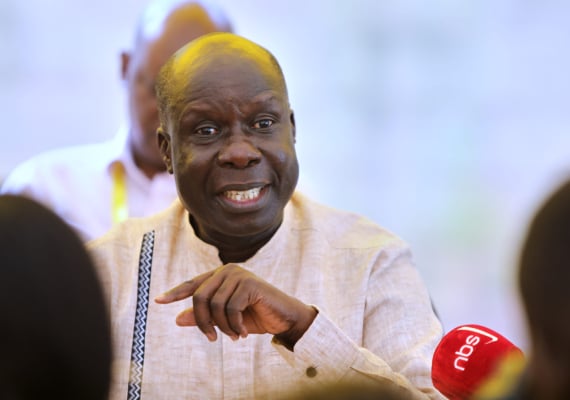
For example, in parts of the Central region where the National Unity Platform (NUP) commands strong support, or in traditional Forum for Democratic Change (FDC) strongholds, securing the party’s flag is similarly perceived as a near-guarantee of victory in the general election. Internal primaries within these opposition parties can also become intensely competitive, leading to disagreements, accusations, and even physical altercations among supporters, all driven by the same “sure win” motivation.
This demonstrates unequivocally that such instances of perceived “violence” have no specific party face. They are not a reflection of a particular party’s ideology, but rather a direct consequence of the high stakes involved in primary elections, particularly in areas where one political entity holds a dominant and seemingly unassailable position. The motivation is not about party color but about the tangible prize of winning a general election – a prize that appears almost guaranteed once the party’s coveted endorsement is secured.
In conclusion, what some might hastily label as “violence” in NRM internal elections is more accurately understood as the undeniable pulse of a thriving political movement deeply rooted in the aspirations of the Ugandan people. The intensity stems from the recognition that for many, the contest for the NRM flag is the real election, a hard-fought battle for the most direct route to serving the nation. This phenomenon, which transcends party lines and is mirrored in opposition strongholds, underscores a fundamental truth about Ugandan politics: where the flag of a dominant party flies, the future of representation is often decided long before the general ballot is cast.