



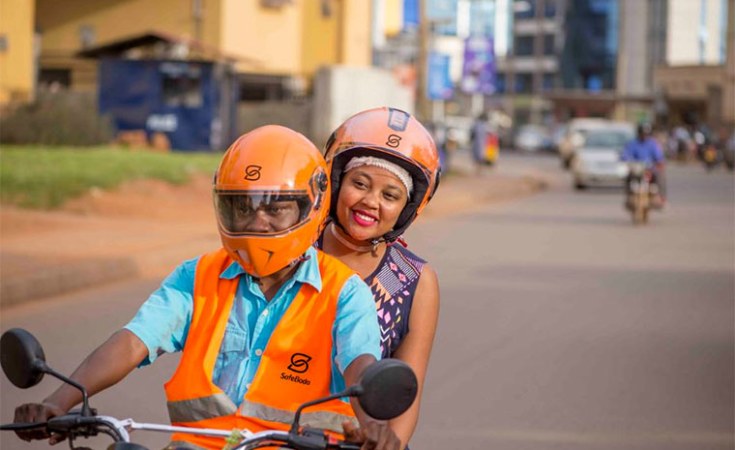

Yesterday, as I rushed for a meeting in town, I jumped onto a boda and casually glanced at Luzzi’s poster. Somehow, as Kampala Bodas always do, the conversation leapt into politics without warning. And in that ten-minute ride, this man delivered a political diagnosis so sharp, so painfully honest, that it should be framed in Parliament’s reception hall.
He looked at the poster and said, “Madam, this country is heading for a serious political reset. Even in places where NUP swept last time, the constituencies are going to be repossessed.” I asked him why he believed that so confidently. He didn’t blink. “When NUP came, we followed people. We voted for anything red. Anything,” he said, throttling the boda for emphasis. “But now Kampala has eyes.”
According to him, the, “omuntu wa wansi” has done the math, and the sums are no longer adding up. The people who rode into Parliament on a wave of emotion are now being measured with the cold ruler of performance. And the results? Well, let’s just say if performance were an exam, many would be looking for retakes.
The boda man continued like a seasoned political analyst who had been silently studying the 11th Parliament from the backbench of his motorcycle seat. “These MPs have not done anything. Most of them have been comedians, fighters, noise makers. When you check their constituencies, there is nothing new except wedding announcements, baby showers, and photos of foreign trips.”
Harsh? Yes. But he was only warming up.
“They can’t come back and tell us they will be better than the NRM candidates. Where? How? What have they done? The person they say they are fighting for is still exactly where he was—same potholes, same rent stress, same joblessness, same everything. So how will they convince us that their president will transform the whole nation when they can’t even transform a village?”
At this point, I wondered whether I had mistakenly boarded a boda or a live political talk show. The man was on fire. He shifted to another interesting angle. “Even their drama is the same. The same shouting, the same scandals, the same emotional speeches. You look at some of them proper kings and queens of drama. If politics paid for noise, Uganda would be the richest country in Africa.”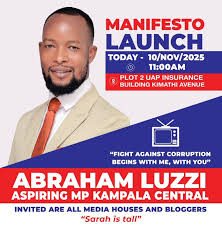
Then he dropped the final punchline.
“And have you asked yourself why some of their top leaders quietly crossed to other parties? If the house is stable, who runs out?” It was hard to argue with him. Because when you look at the long list of MPs, one begins to notice a pattern. Many who were elected on the promise of “a new Uganda” ended up building nothing new except their personal lifestyles. The so-called “fighters for the people” fought everything except poverty. The “defenders of the common man” forgot the common man at the stage and defended their per diem instead.
The boda guy was not attacking opposition politics. He was questioning competence. He was pleading for seriousness. He was reminding us that leadership is not a color, a slogan, a party anthem, or a well-posed poster. It is work. Hard work. Visible work. Measurable work.
And maybe that is the quiet political awakening happening across the country. People are no longer clapping for noise. They are looking for results. They are watching roads, schools, water points, health centers, SACCOs, and job creation not Facebook Lives and parliamentary fistfights.
As we approach the next election, perhaps the moral of the boda man’s story is simple: Ugandans are no longer voting with excitement. They are voting with experience. And politicians especially those who confused fame with leadership might want to sit up. Because the people who elected them with passion are now evaluating them with precision.
The drama may trend on (X) Twitter, but the, “omuntu wa wansi” votes from the heart of everyday life. And everyday life is demanding receipts.