



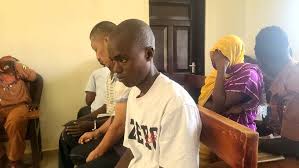

Let us start with the picture everyone is milking for sympathy: a 20-year-old student in handcuffs, senior six exams cut short after two papers. Cue the sad music. But law is not run on background music. Feelings are not facts.
What Edison Ssemugenyi did was not “youthful expression” or “robust criticism.” He looked into a TikTok camera and calmly declared two things he knew were 100% false:
- That President Yoweri Museveni was bedridden and practically finished.
- That General Muhoozi Kainerugaba is homosexual.
In a country with a history of coups, rebel incursions and street chaos, that is not “content.” That is political kerosene.
And we all saw a glimpse of the damage. Markets in Kampala and other towns froze as rumors of a collapsing presidency spread. Traders shut, people panicked, security organs went on high alert, fuel was burned, manpower diverted. Innocent family members suddenly had to live with a deadly, homophobic smear hanging over their heads. That is not “free speech”; that is weaponized lying.
Now roll in the double standards.
The same people who scream “Rule of law! Justice for all!” suddenly want a special constitution for “their” people. When it is a boda rider accused of theft, they want maximum sentence. When it is a TikTok hero from their tribe or political color, they remember he is “just a child.” At 20. Old enough to vote, marry, sign contracts, and in every other context be called “a young man.”
Uganda’s Constitution is very simple here: everyone is equal before and under the law. Rights come with limits where they infringe on the rights and freedoms of others, especially public order and national security. Freedom of expression is guaranteed; freedom to fabricate explosive lies, incite panic and defame others is not. Even small associations know this – their own constitutions insist that members exercise power within agreed rules and are answerable for breaking them.
But suddenly, when the law lands on a “digital activist,” we are told it is oppression.
Daily Monitor and its echo chamber carefully zoom the camera only on a trembling youth in the dock. They do not pan to the mothers who could not sleep, the traders who lost a day’s income, the soldiers on edge because one boy wanted clout. They will not ask a simple question: What if government had done nothing? What if everyone with a smartphone decided to declare the President dead every election season?
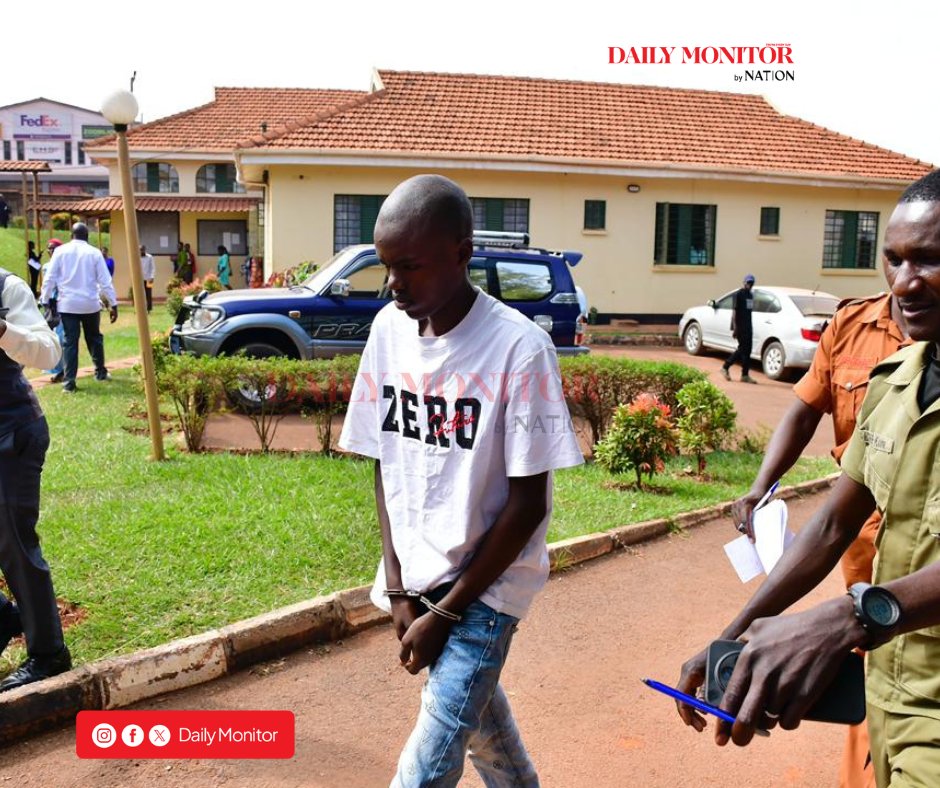
Chief Magistrate Eronye Nyadoi refused to treat that scenario as a joke. She rejected the easy, elite-friendly option of a fine. A fine would have announced: “If you are rich enough, you can lie about anything, endanger anyone, just pay at the counter.” Six months in prison, even served concurrently, is not cruelty. It is a memo to the entire Republic: this far and no further.
Let’s also speak honestly to the young people. Your phone is not a toy; it is a weapon of mass reach. One 15-second video recorded in a dim hostel room can cause more instability than a badly commanded battalion. The old example stands: you cannot shout “fire” in a crowded theatre. The fact that your theatre is online and the ticket was free does not change the stampede.
Here is the real problem: many people want freedom of speech but not freedom of consequences. They want the constitution to protect their tongues, but never their neighbor’s reputation, livelihood or peace. They want accountability for everyone else – police, politicians, judges – but when it is their turn, they remember only one article: “I am young, I am oppressed, I am above the law.”
No.
Edison Ssemugenyi is not a martyr. He is Exhibit A in the case for digital accountability. His six months are not the death of free speech; they are its rescue. Because if truth means nothing and lies carry no cost, only the loudest, wildest liar will rule the public square.
So here is the lesson:
Think twice. Verify. Or prepare to pay the price. Because the next time someone tries to set Uganda ablaze with a TikTok lie, the courts – and the public – will be even less patient with the tears.