




The Uganda Cancer Institute (UCI) has issued an urgent public health warning, confirming that Prostate Cancer has become the most commonly diagnosed cancer among men in Uganda and remains a leading cause of cancer-related deaths. This escalating crisis demands immediate national attention to prioritise screening and eliminate the stigma surrounding male health.
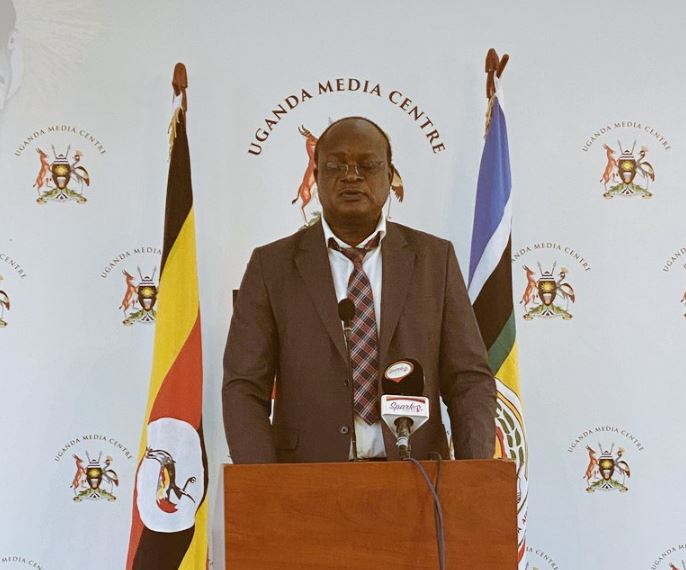
Addressing the press today at the Uganda Media Center (UMC) Dr. Fred Okuku, a Consultant Oncologist at the Uganda Cancer Institute, said that the growing burden was laid bare, highlighting the tragic reality that most men are still presenting with advanced, difficult-to-treat stages of the disease.
Dr. Okuku presented compelling data demonstrating that prostate cancer is a nationwide challenge, not confined to Kampala. “For instance, in the Mbarara region, prostate cancer accounts for 18% of new adult cancer cases, making it the most common adult malignancy there with 176 new cases recorded,” Dr. Okuku said, adding, “Similarly, in the Gulu region, it accounts for 13% of new cases, ranking third. At the UCI Main branch in Kampala, it accounts for 11% of new cases, registering 764 patients and ranking as the third most common cancer overall.”
These statistics, he noted, underscore the urgent need for consistent public education and stronger community engagement to overcome the barriers of low awareness, fear, stigma, and myths surrounding male health. Dr. Okuku revealed that the trend shows that men aged 45 years and above are at the highest risk, with that risk increasing significantly for those with a family history of prostate, breast, or related cancers.
He explained, however, that most men only seek medical help when the disease has dangerously progressed and symptoms, such as difficulty passing urine, blood in urine or semen, persistent pelvic pain, or unexplained weight loss have already appeared. “At this stage, treatment becomes more complicated, more expensive, and survival chances significantly decrease,” warned Dr. Okuku.
He stressed, however, that despite its severity, prostate cancer is one of the most preventable and treatable cancers if detected early. The solution, according to Dr. Okuku is simple and accessible; a routine PSA blood test, combined with a medical examination. All men aged 45 and above are strongly encouraged to undergo screening at least once every year. Men with a family history of cancer should begin screening even earlier.
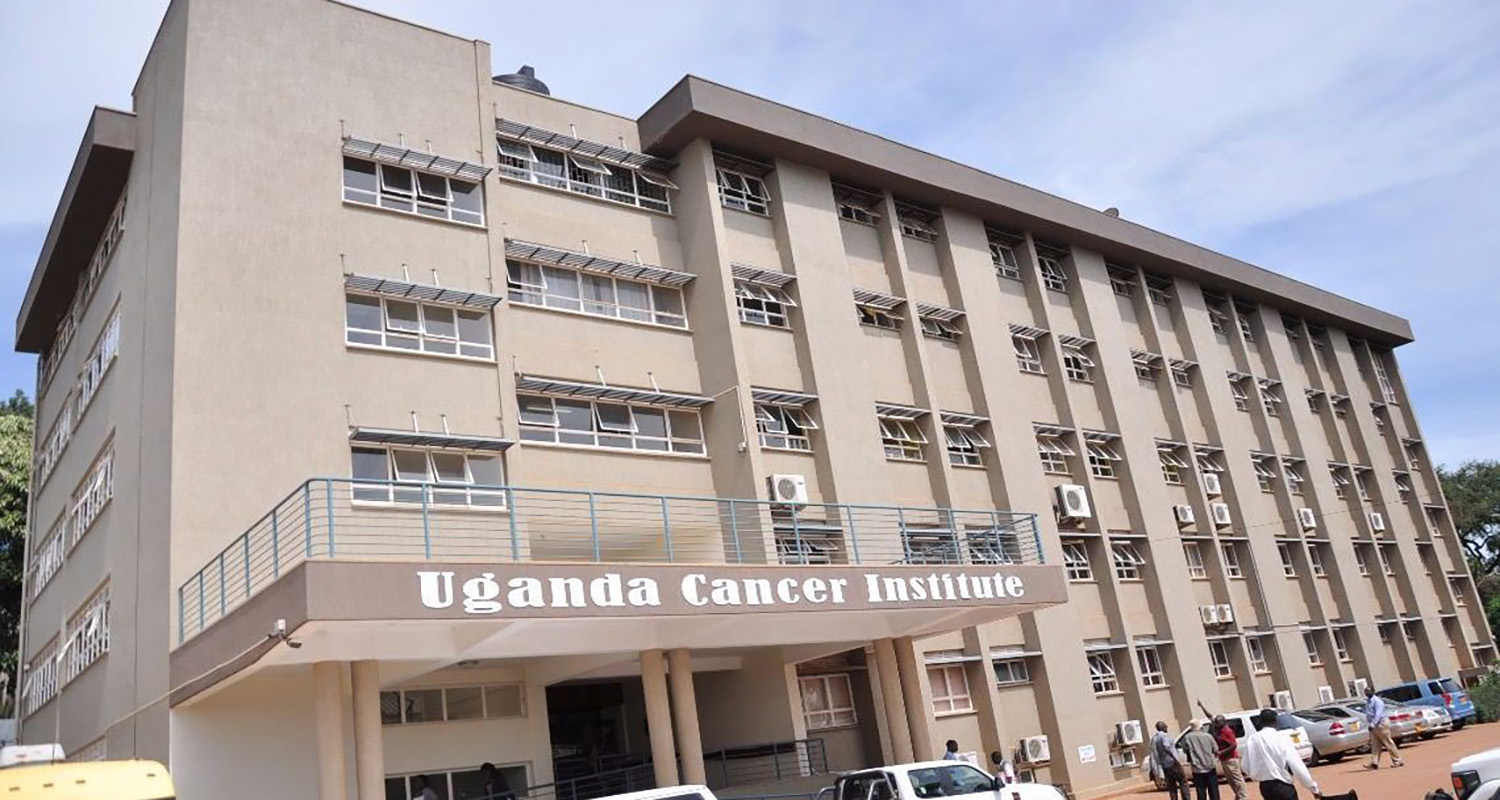
The Uganda Cancer Institute is actively strengthening the entire cancer care continuum. The Institute offers a full range of advanced treatment options, including advanced radiotherapy, surgery, hormonal therapy, chemotherapy, and comprehensive supportive care.
Furthermore, the UCI, in collaboration with the Ministry of Health and partners, has intensified its outreach and community screening programs. These initiatives are vital for taking education and testing closer to the people, particularly in rural areas where access to specialised health services is limited. The Institute is also working to expand diagnostic imaging, laboratory services, and improve the availability of essential cancer medicines.
Dr. Okuku stressed that combating prostate cancer demands collective responsibility and partnership from all sectors of society:
- Men: Must prioritise their health, speak openly about prostate issues, and embrace regular screening.
- Families: Need to actively encourage and support their fathers, husbands, brothers, and sons in seeking early medical care.
- Community and Workplace Leaders: Must create supportive environments that normalise men’s health and routine check-ups.
- Policy Makers: Must ensure continued investment in cancer prevention, early detection infrastructure, and treatment services that are accessible and affordable to every citizen.
The Uganda Cancer Institute reaffirmed its dedication to leading national efforts in prevention, research, treatment, and advocacy. “Together, we can stop prostate cancer from being a silent killer. Together, we can save lives,” Dr. Okuku concluded.