



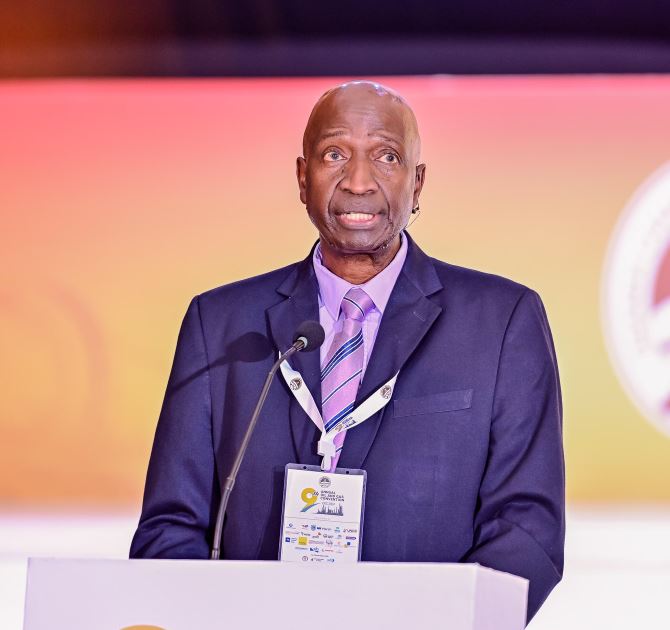

The Petroleum Authority of Uganda (PAU) is celebrating its 10th anniversary by highlighting major institutional and economic achievements that have positioned the oil and gas sector as a core engine for national development and economic growth. The Authority’s success over the past decade demonstrates a robust regulatory environment that is translating resource wealth into tangible benefits for Ugandans.
Mr. Ernest Rubondo, Executive Director of the PAU, while appearing on NBS TV’s The Spotlight program last night, affirmed that the Authority has successfully hit three crucial milestones that underpin the sector’s readiness for large-scale investment and production.
Milestone 1: Building a Robust Regulatory Foundation.
According to Mr. Rubondo, a key achievement of the past decade is the establishment of a fully functional and competent regulatory body from the ground up. Rubondo highlighted the significant institutional capacity built as follows:
- Staff Growth: The PAU has grown from zero staff in 2015 to 220 highly skilled personnel today.
- Regulatory Framework: The Authority has established a robust regulatory framework essential for managing investments and ensuring the sustainable exploitation of Uganda’s oil and gas resources.
- Strategic Partnerships: The PAU has successfully forged strategic partnerships both nationally and internationally, ensuring global best practices are integrated into the sector.
This strong institutional capacity, Rubondo noted, is critical to safeguarding the nation’s interests and maintaining stability within a complex, capital-intensive sector.
Milestone 2: Fueling Job Creation and Local Content
The oil and gas sector is proving to be a powerhouse for job creation, significantly driving Uganda’s employment agenda. The PAU’s local content requirements ensure that this economic boom directly benefits Ugandans.
Mr. Rubondo revealed impressive employment statistics, saying, “Direct employment in Uganda’s oil and gas sector currently exceeds 20,000 jobs, with 90% of these positions held by Ugandans. When indirect and induced employment is included, the total rises to over 200,000 jobs, of which 98% are occupied by Ugandans.”
He observed that this concentration of jobs in the hands of Ugandans demonstrates the PAU’s effective regulation of the local content policy, ensuring that the development phase of the sector translates into significant opportunities for the national workforce and local businesses.
Milestone 3: Balancing Climate Imperatives with Energy Needs
While driving economic growth, the PAU remains cognizant of the global climate crisis. Rubondo addressed the need for a pragmatic approach to energy transition, balancing environmental responsibility with global energy security. “When considering climate issues, it is essential to strike a balance between addressing the climate crisis and meeting global energy needs. Research indicates that oil and gas will remain necessary for at least the next 50 years,” Mr. Rubondo stated.
This perspective supports Uganda’s decision to proceed with its oil and gas projects, recognising that these resources are essential to both its national development and the immediate global energy mix, even as the world works toward long-term renewable energy solutions.
In celebrating its 10th anniversary, the PAU confirms its status as a pivotal institution successfully driving Uganda’s economic growth, professionalising the workforce, and managing the nation’s resources through a commitment to robust regulation and strategic foresight.