



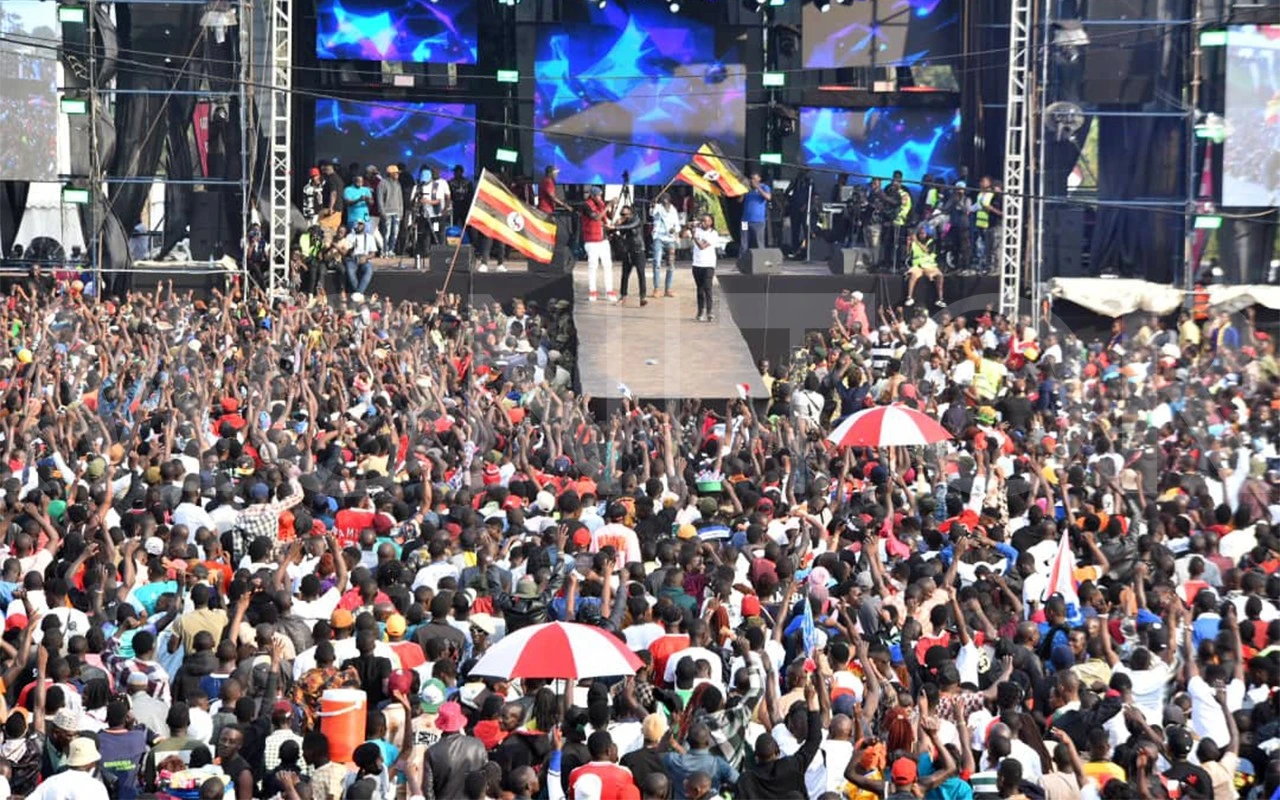

Forgive me, this is not how I planned to start the year, but Uganda has a way of serving comedy before breakfast. Imagine this scene. A loud online chorus warning people not to attend the Enkuuka festival. Political foot soldiers issuing cultural curfews. Social media declarations insisting that Buganda’s New Year celebration must be boycotted.
Then reality arrived, unbothered, dressed in gomesi, kanzu, and dancing shoes. Lubiri Palace filled up. Tickets sold out. Music thundered into the night. Fireworks lit the sky. Ugandans showed up. Trust Ugandans with their love for a good party, paakalast and the Kabaka. You can cancel meetings in Kampala. You cannot cancel vibes at Mengo.
Credit must go where it is due. The Enkuuka organisers and Central Broadcasting Services FM pulled off a massive celebration despite all the noise. When political voices told their supporters to stay away, the people politely refused. The venue was packed. The joy was loud. The New Year arrived on schedule.
Now satire, by nature, asks uncomfortable questions.
- What does it say about a people whose cultural heartbeat refuses to be switched off by WhatsApp, or Ticktok broadcasts? What does it say when Buganda gathers not because of politics, but in spite of it?
- And what does it say about a politician who appears to spend more energy fighting the very institution that raised him than listening to the people who still kneel when the royal drums sound?
Bobi Wine has built his politics on defiance. That can sell in rallies. It can trend online. But defiance against culture is a harder product to market. When politics asks Baganda to skip Enkuuka, it is not challenging power. It is challenging memory, identity, and joy. That is a fight destined for defeat every 31st of December.
Predictably, the internet went further, throwing around reckless rumours that do not deserve oxygen. Those claims are not facts; they are symptoms of a political culture that confuses outrage with truth. But even those whispers reveal something deeper. When leaders appear detached from cultural roots, people begin to question where their loyalty truly lies. Fair or unfair, perception is politics.
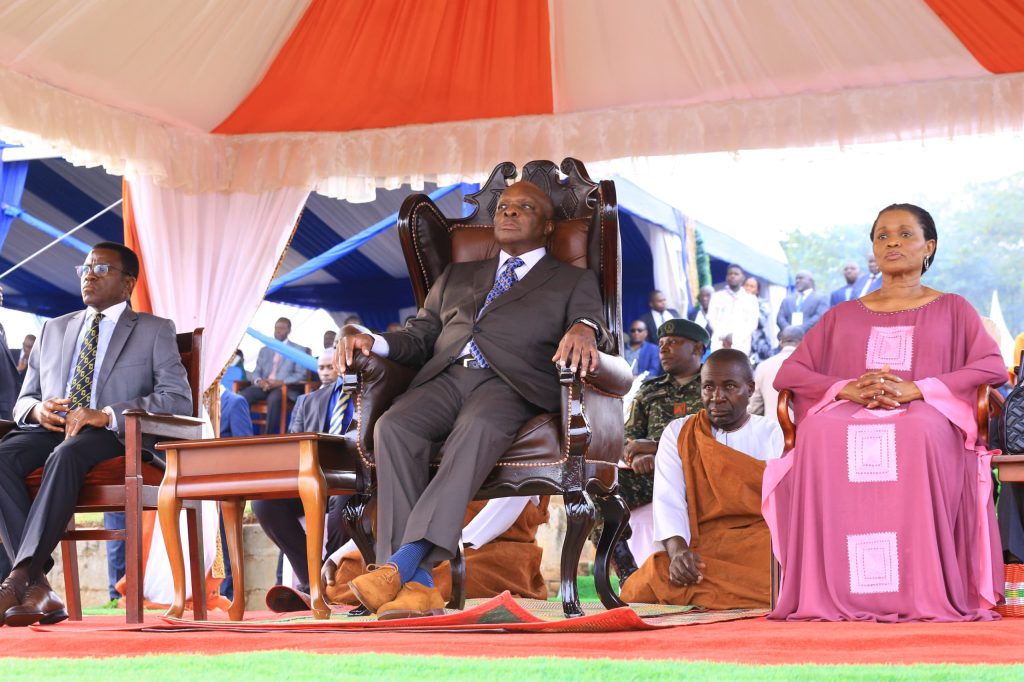
While the noise raged online, the Kabaka simply showed up.
Kabaka Ronald Muwenda Mutebi II stood before his people, above party colours, beyond trending hashtags. He spoke of unity, language, clans, and the duty to preserve Buganda’s values for future generations. He reminded his people that long before modern politics arrived, Buganda had systems of leadership, civility, and culture admired even by colonial visitors. Then he turned the symbolic key, closing the old year and ushering in the new. That moment exposed the contrast better than any argument could.
- Politics shouted. Culture danced.
- Politics warned. People laughed.
- Politics boycotted. Buganda gathered.
Before the Kabaka’s address, Buganda’s Prime Minister, Charles Peter Mayiga, thanked the Kabaka, the Nnabagereka, and the royal family for celebrating the New Year with their people. He prayed for blessings upon the kingdom and reminded all present that institutions endure because they belong to the people, not to political parties.
Enkuuka is not a rally. It is not a campaign stop. It is an annual reminder that before we are supporters, activists, or voters, we are a people with a shared story. You may dislike the palace. You may disagree with tradition. But you cannot order a people to abandon themselves. The biggest lesson from this year’s Enkuuka is simple and brutally clear.
- Ugandans have a will beyond politics.
- Culture does not ask permission from parties.
And leaders who confuse online noise with real influence eventually meet a packed Lubiri.
- The Kabaka showed up.
- The people showed up.
- Love showed up.
Politics, once again, was left arguing with itself on the timeline.