



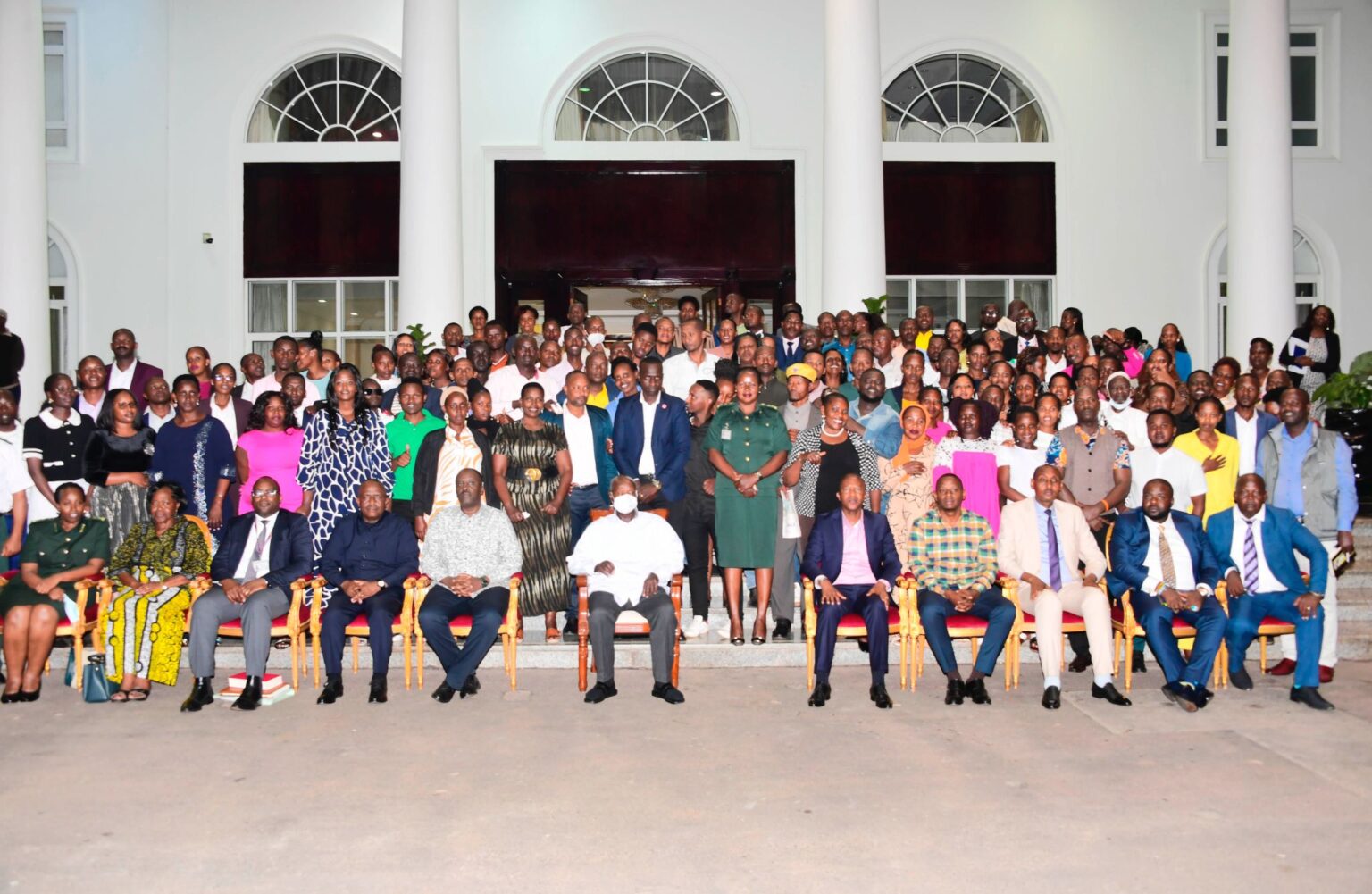

President Yoweri Museveni has reaffirmed the Ugandan identity of the Abavandimwe—Ugandans of Rwandan descent—urging government agencies to treat them with dignity and equality. He made these remarks during a meeting with leaders of the Banyarwanda community at State House, Entebbe.
Addressing concerns of discrimination in issuing national documents, Museveni emphasized that individuals known in their communities and who have lived in Uganda for generations must not be harassed or denied services. “The people who have been here for decades and are known in their communities must not be denied services. We must not deny someone citizenship through bureaucracy,” the President said.
He cited the 1995 Constitution, which defines citizenship by birth, registration, or naturalisation, affirming that those whose ancestors were in Uganda by 1926 are citizens by law. Recalling his childhood in Ntungamo in the 1950s, he said the Bahororo, like many others, were already integrated into Ugandan society.
Museveni invoked his authority under Article 99 to issue a directive on citizenship determination. He ordered that applicants with letters from LC1, LC3, GISO, and RDCs should be accepted as citizens, and that people born in Uganda must not be rejected without compelling evidence. Where documentation is unavailable, sworn testimony from relatives and elders should be accepted. Immigration officers were told to refer disputed cases to NIRA rather than make unilateral decisions. “Uganda is not America. We don’t prove our history through graveyards or computers. We use local knowledge,” Museveni said, criticising unnecessary bureaucracy.
The President also addressed dual citizenship, cautioning against split loyalty between Uganda and Rwanda. “You must choose. You cannot be both Ugandan and Rwandan. Even me, I am a Muhooro. If I want to be Rwandan, I go there. But I cannot say I’m both Munyankole and Munyarwanda.”
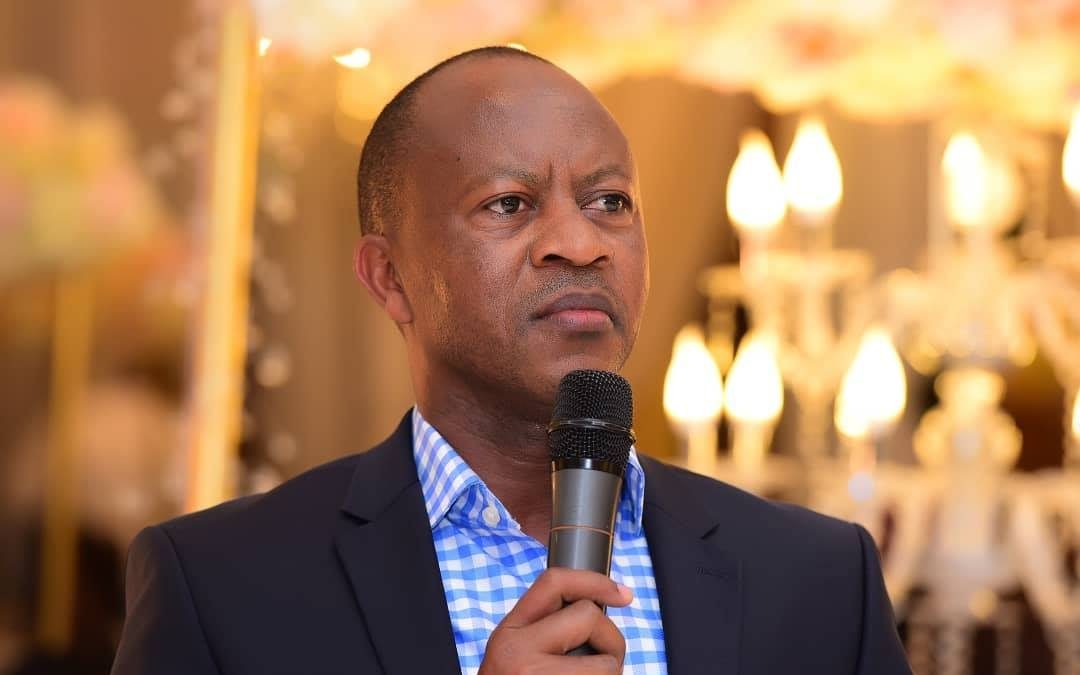
Frank M. Gashumba, chairperson of the Abavandimwe Council, thanked the President and appealed for action against discrimination. “We are Banyarwanda of Uganda, not Rwanda. If one holds a Ugandan ID, they should receive a passport without bias. Our children are being denied opportunity. This is not just a document—it’s about their future,” he said.
Present were Gen. David Muhoozi, Minister of State for Internal Affairs; Ms. Rosemary Kisembo, Executive Director of NIRA; and Brig. Johnson Namanya, Commissioner for Citizenship and Passport Control at the Directorate Of Citizenship & Immigration Control (DCIC). They were directed to implement the President’s orders without delay.
President Museveni’s firm stance is expected to shape how Uganda handles citizenship and identity, especially for historically marginalised communities