



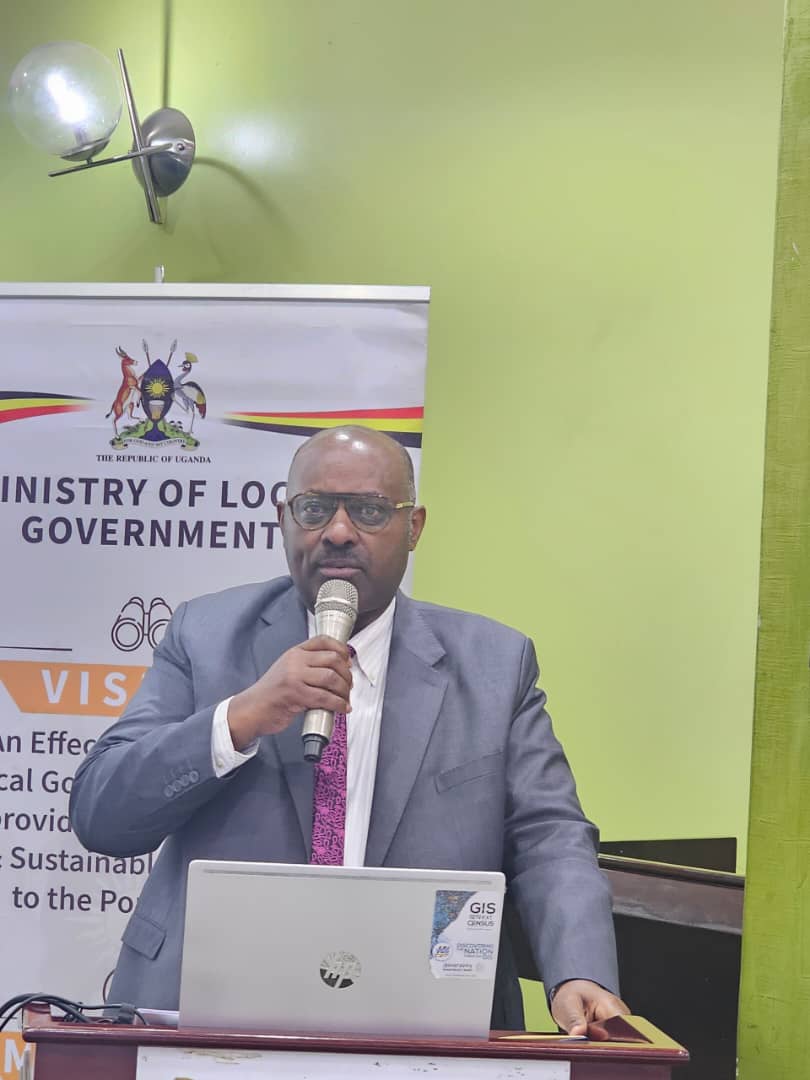

The Ministry of Local Government (MoLG), in partnership with the National Planning Authority (NPA), has convened a national workshop bringing together physical planners from across Uganda. The meeting, held to validate guidelines for the preparation and approval of physical development plans, handling of appeals and change of land use, and the use of the physical planning compliance assessment tool. The workshop was officially opened by the Permanent Secretary of MoLG, Ben Kumumanya.
In his opening remarks, the Permanent Secretary welcomed participants drawn from various regions, noting the strong representation from districts such as Amolatar, Adjumani, and Karenga. He commended the commitment of local governments to participate in the process and emphasized the importance of equipping planners with tools and knowledge to pass on to colleagues who were unable to attend.
Ben Kumumanya highlighted the urgent need to validate fiscal planning guidelines and compliance tools, ensuring that Uganda’s local governments meet international standards. He stressed the importance of aligning local physical development plans with the National Physical Development Plan (NPDP) and the broader national vision, noting that both micro and macro-level interventions are critical for attracting investment and fostering economic growth.
He also acknowledged persistent challenges in physical planning at the local level. Many local governments, struggle to dedicate funds and personnel to these functions, and in some cases, physical planning committees remain non-functional. This has contributed to the rise of unplanned and uncontrolled developments, which negatively impact infrastructure, increase pollution, and undermine community development.
To address these challenges, the Ministry is working with the College of Engineering, Design, Art, and Technology (CEDAT) to provide graduate trainees who will support local governments in producing affordable physical development plans. He called on local governments to be proactive and timely in engaging with these initiatives and reaffirmed the Ministry’s commitment to providing the necessary support to ensure effective implementation of plans.
“The reorganization of physical planning is vital if we are to achieve meaningful social and economic transformation,” the Permanent Secretary said as he officially declared the workshop open. He further emphasized the need to standardize procedures and strengthen collaboration between stakeholders to ensure effective and sustainable physical planning across the country.
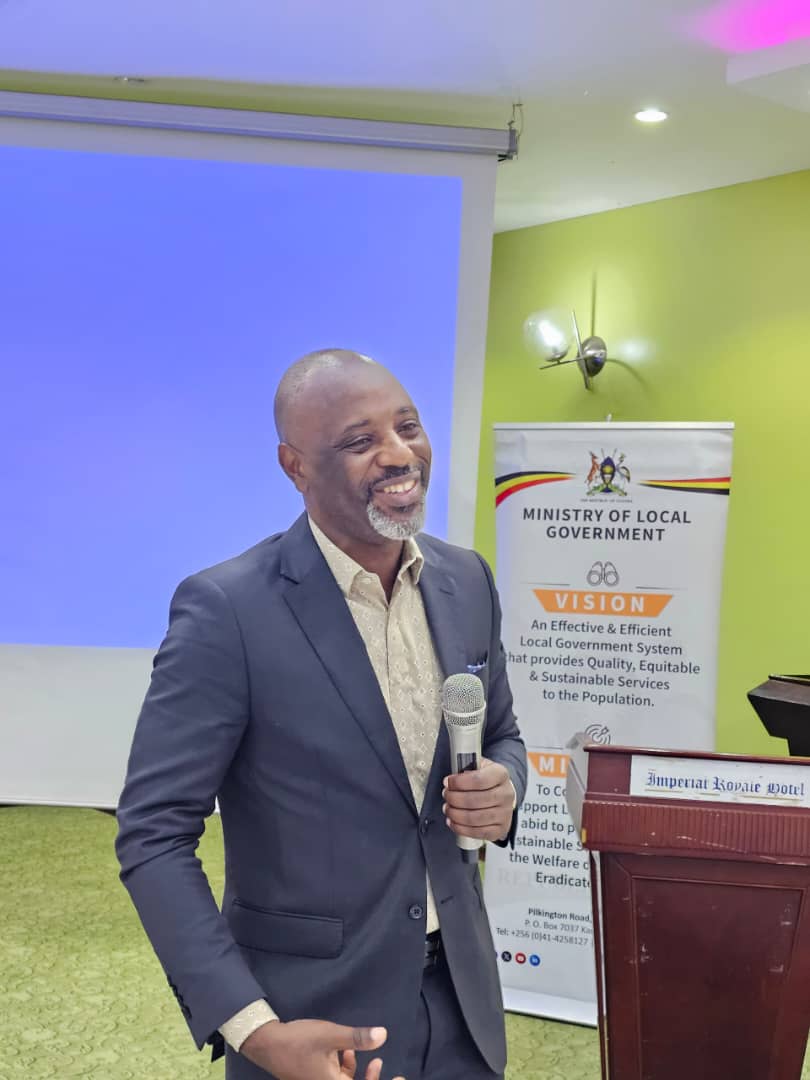
Adding to this, Dr. Joseph Muvawala, the Executive Director of the National Planning Authority, pledged support to physical planners by promising a dedicated fund for physical planning. He announced that reporting lines for physical planners will be streamlined to improve accountability and efficiency. Muvawala urged physical planners to ensure that all local governments have both structural and detailed plans that extend down to the village level.
He discouraged the over-reliance on costly consultants in developing physical development plans, instead advocating for greater use of in-house expertise within local governments. He further proposed that participants of the workshop serve as trainers of trainers (ToTs) in their respective districts to cascade knowledge and ensure information reaches even the grassroots level. “These regional physical planning meetings should not end here,” Dr. Muvawala emphasized, calling for them to evolve into regular platforms for knowledge sharing and capacity building.
The workshop sets the stage for a more coordinated and professional approach to physical planning in Uganda, one that strengthens local governments, improves compliance, and supports the country’s journey towards sustainable social and economic transformation.