



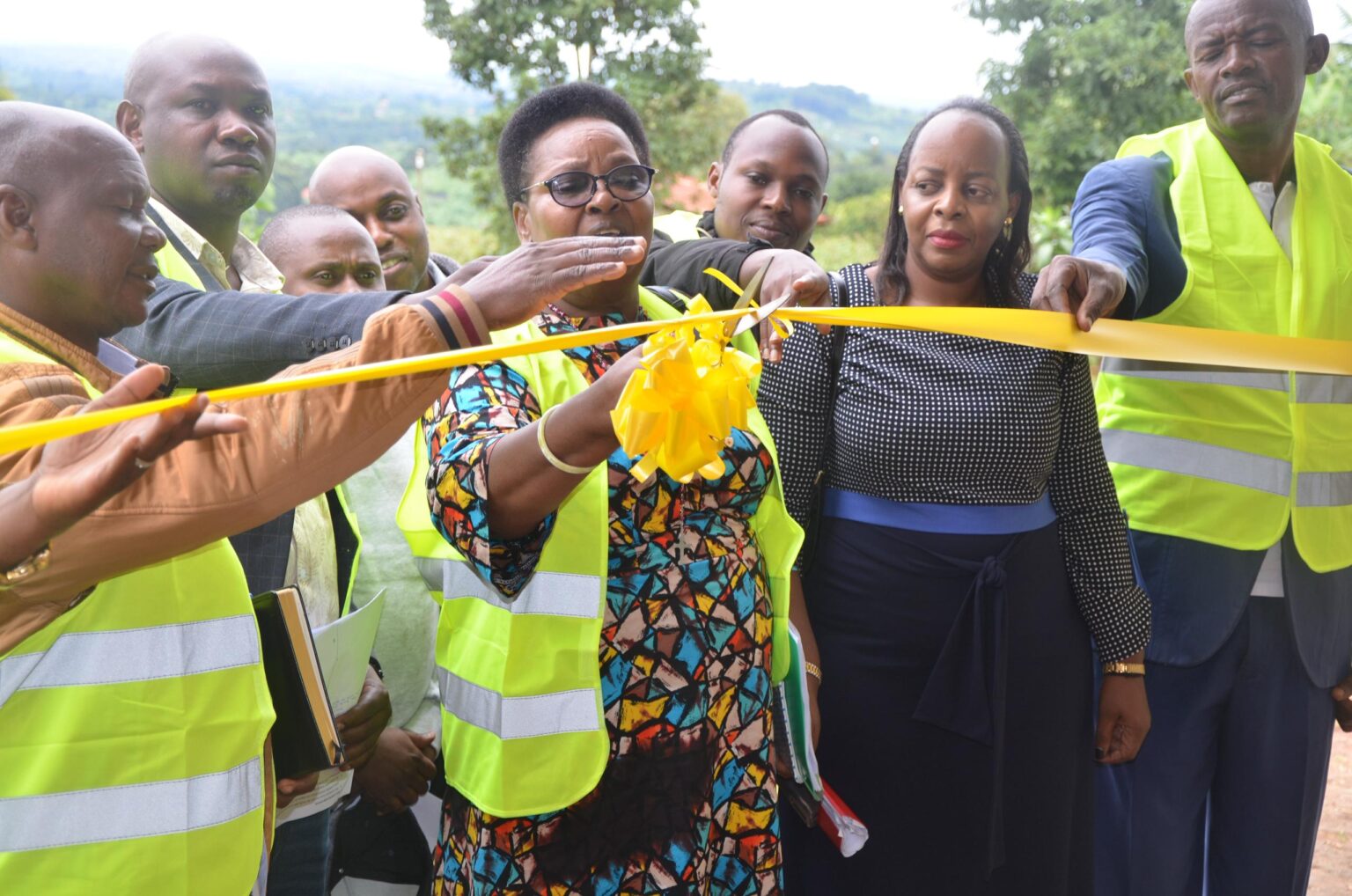

The Minister of State for Local Government, Victoria Rusoke Businge, has commissioned the Mugusu Piped Water Supply System and the Karangura Mini-Grid Solar Project in Kabarole District.
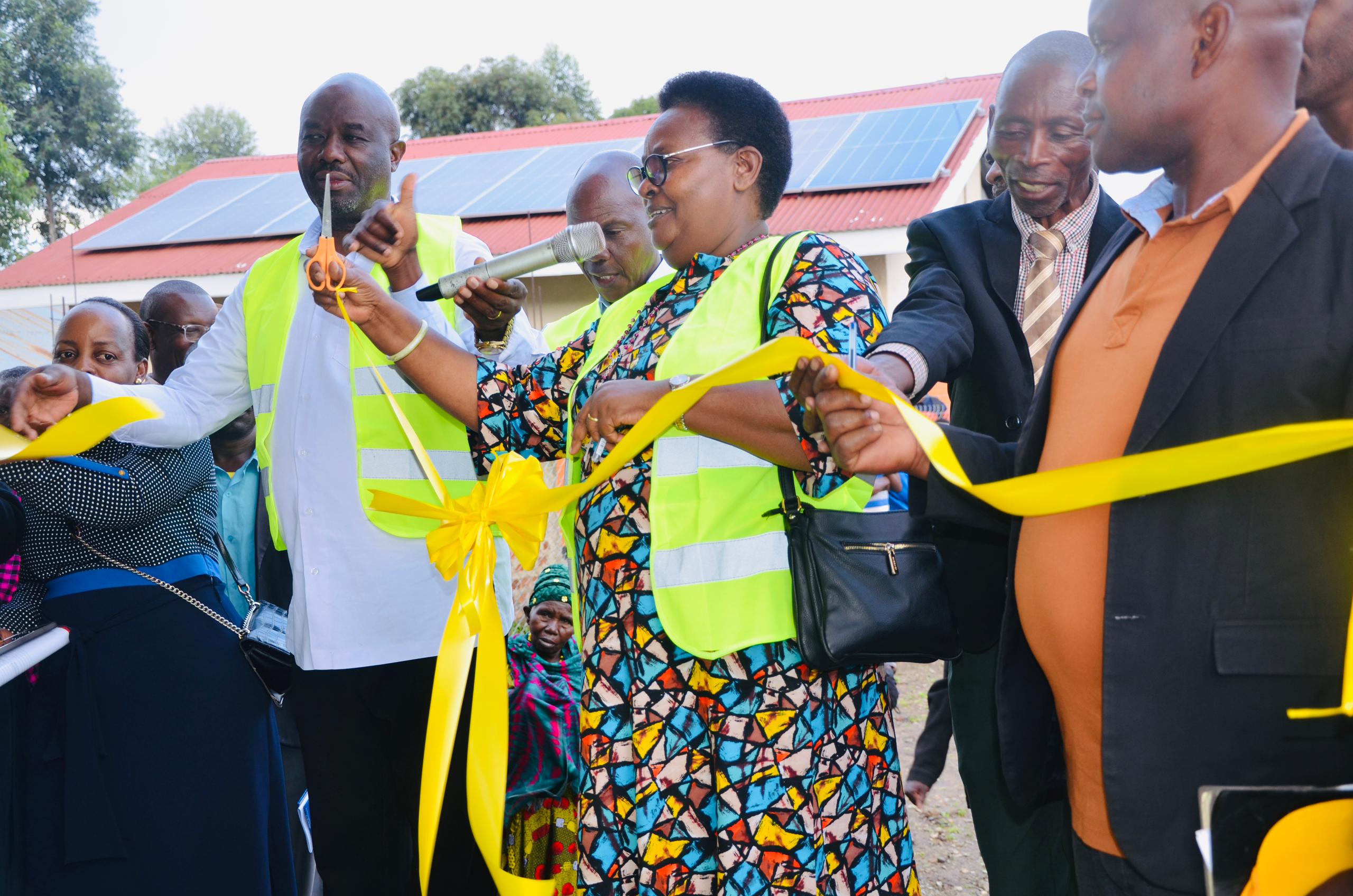
The two projects, constructed under the Local Economic Growth Support (LEGS) Project by the Ministry of Local Government, are aimed at improving access to clean water and reliable electricity, while driving economic transformation through increased household incomes and expanded local economic activity.
The Mugusu Piped Water Supply System is already serving 28 villages, significantly improving access to safe and clean water for thousands of residents. The development is expected to reduce the burden of long-distance water collection while improving sanitation, public health, and productivity.
The Karangura solar mini-grid is already benefiting over 1,500 community members and has the capacity to serve many more households. Since its installation, several small businesses have emerged in the area, signaling growing economic opportunities and a shift towards commercial activity.
Speaking at the commissioning ceremony, Minister Rusoke encouraged residents to fully utilize the electricity by investing in income-generating activities such as welding, carpentry, and other enterprises.
She emphasized that government interventions, including the Parish Development Model and projects like LEGS, are designed to transition communities from subsistence livelihoods into the money economy.
The Minister further revealed that Kabarole District will benefit from the second phase of the LEGS Project and urged residents to actively identify and demand interventions that directly support their economic priorities.
Representing the Project Coordinator, Engineer Paul Mukasa Kasule, Dr. David Siriri called on the community to prioritize the productive use of electricity, particularly for business activities that can increase household incomes.
He noted that the government’s objective is to stimulate economic transformation through strategic infrastructure investments.
Dr. Siriri also highlighted that, given the mountainous nature of the area, the project incorporated lightning control systems to safeguard the solar plant from lightning and thunder, ensuring a stable and reliable power supply.
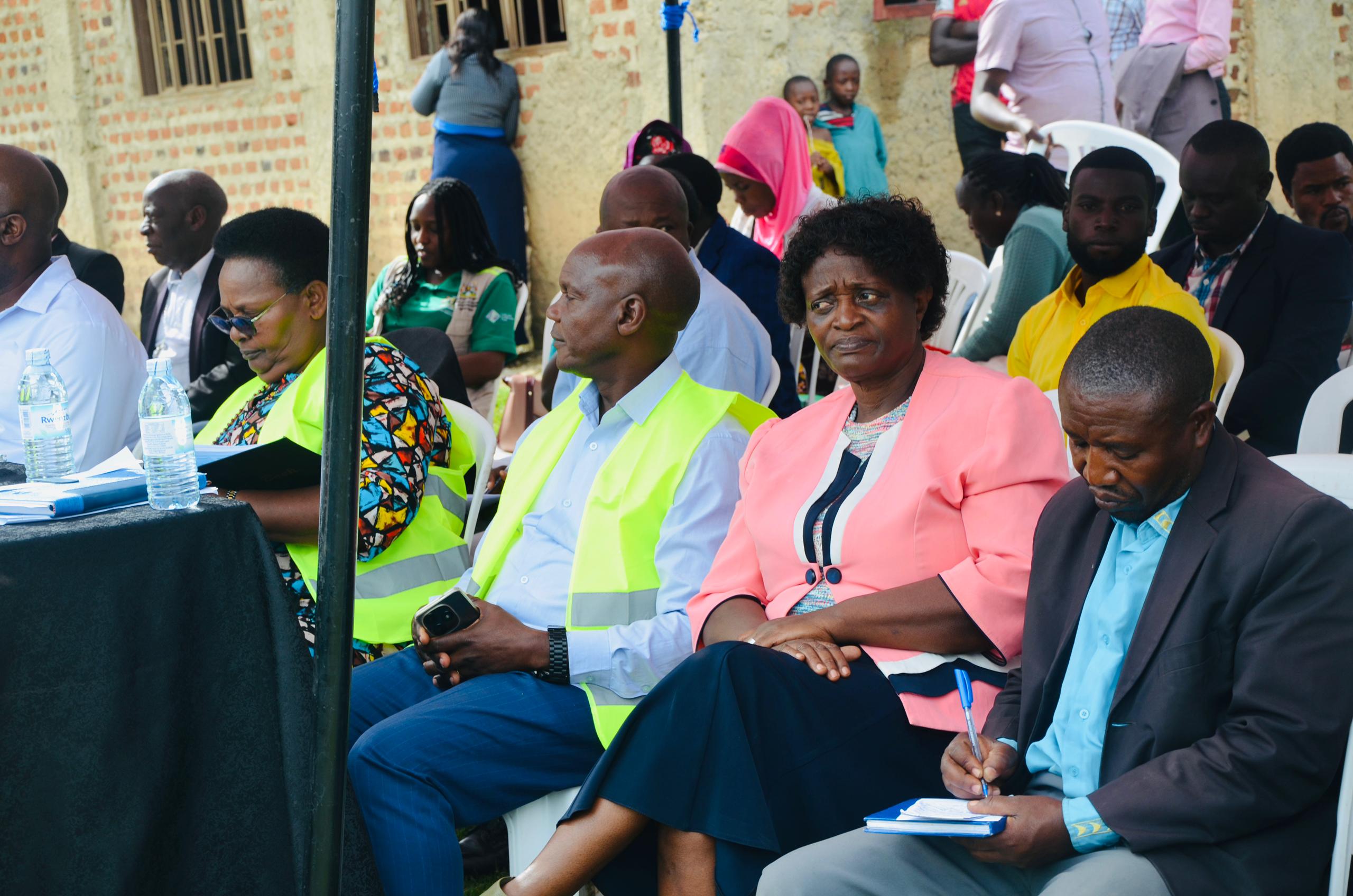
The commissioning events were attended by Ministry staff, District political and technical leaders, and members of the community, who applauded the successful implementation of Phase One of the project and called for the rollout of Phase Two to further expand its benefits to neighboring communities