



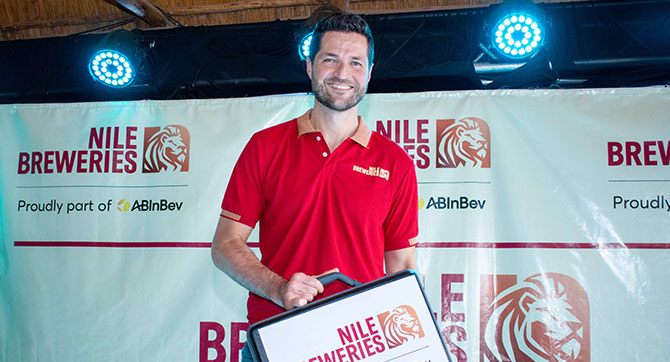

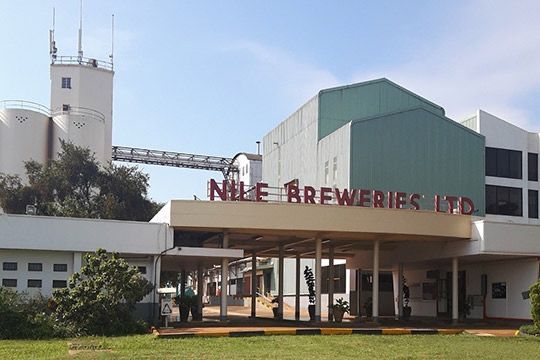
Nile Breweries Limited (NBL), a significant subsidiary of global brewing giant Anheuser-Busch InBev (AB InBev), is engulfed in a multi-faceted crisis that threatens not only its market position but also directly impacts Uganda’s critical public service provision.
Under the leadership of Managing Director Adu Rando, NBL faces a staggering Shs18.5 billion tax dispute with the Uganda Revenue Authority (URA), alongside crippling internal strife and alleged operational vulnerabilities. The company’s troubles are casting a shadow over the government’s ability to fund essential programs, potentially leading to tangible effects on citizens.
The Shs18.5 Billion Black Hole
For years, NBL has been locked in a bitter legal battle with the URA over tax arrears amounting to Shs18,509,052,729. The dispute, currently before the Tax Appeals Tribunal (TAT), centres on NBL’s contention that URA improperly assessed Local Excise Duty and applied an 18% Value Added Tax (VAT) rate on exported sales, arguing a zero-rate should apply.
However, while the legal process unfolds, NBL’s refusal to remit the disputed amount has direct and severe consequences for the Ugandan populace. This Shs 18.5 billion is not merely an accounting entry; it represents vital government revenue. For a nation heavily reliant on tax collection to deliver essential services, such a substantial sum could fund:
Infrastructure Development
Roads, bridges, and public buildings are crucial for trade, transport, and overall economic growth. Delayed or insufficient funding impacts daily commutes, market access for farmers, and the efficiency of businesses.
Healthcare Services
Investment in hospitals, medical supplies, staff salaries, and public health campaigns. A shortfall can translate into fewer doctors, limited access to medicines, and weaker responses to health crises.
Education Programs
The amount can be used for funding for schools, teacher training, and educational materials. Reduced revenue risks overcrowded classrooms, inadequate resources, and compromised learning outcomes for Ugandan children.
Poverty Alleviation Initiatives Government programs aimed at wealth creation, like the Parish Development Model (PDM) or Emyooga, require consistent funding.
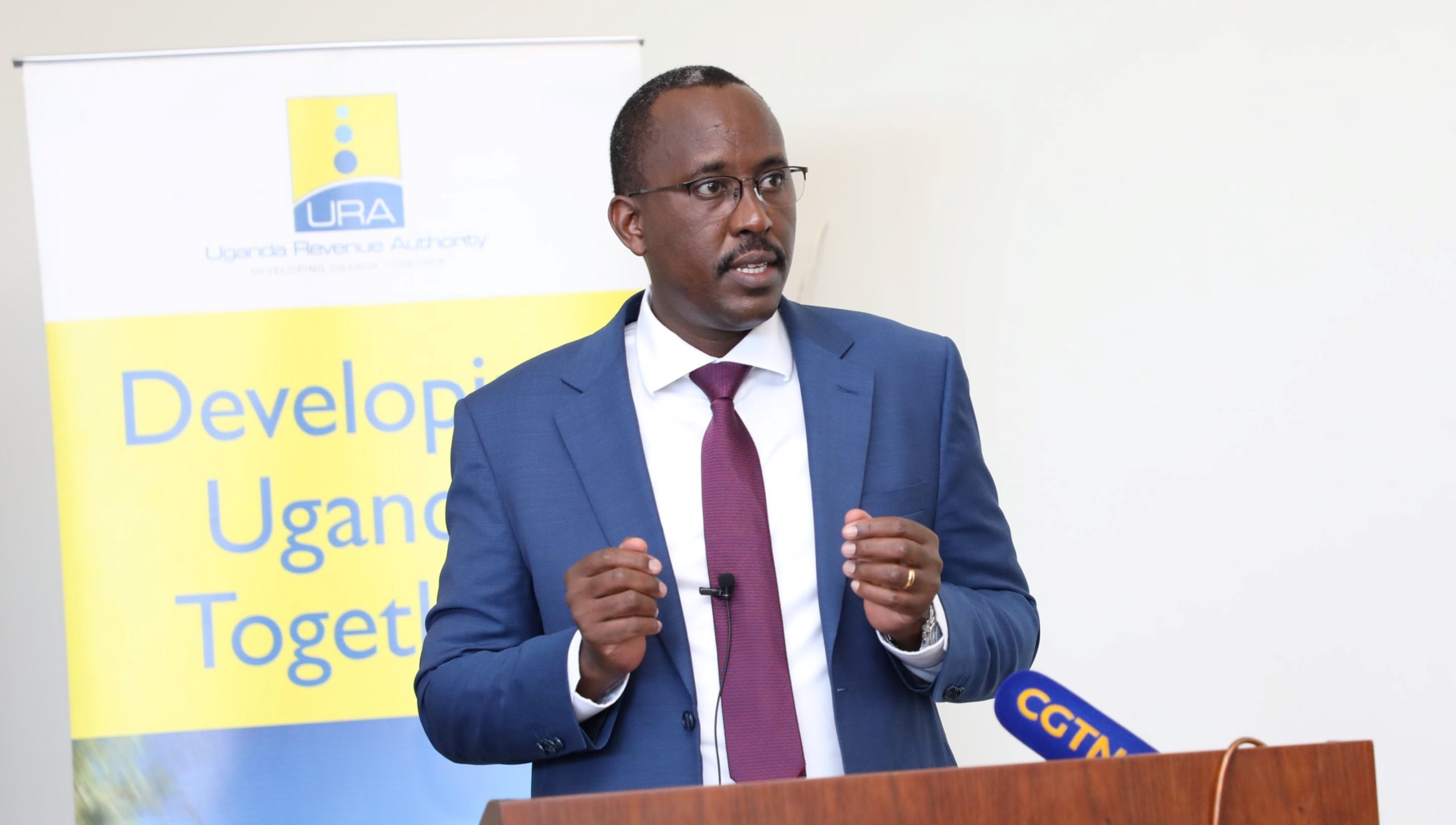
A major tax deficit directly impedes these efforts, affecting millions of citizens striving to improve their livelihoods, yet President Yoweri Museveni keeps insisting that URA must collect all taxes to bridge the funding gap. URA’s persistent threats of foreclosure on NBL’s assets highlight the severity of this uncollected revenue.
The prolonged dispute not only creates fiscal uncertainty but also sends a concerning signal about corporate tax compliance, potentially impacting the broader tax morale among other businesses.
Internal Wars and Operational Flaws
Compounding its external tax woes, NBL is reportedly battling significant internal discord and operational vulnerabilities that threaten its long-term stability. This includes but is not limited to the following:
Human Resources Conflict
Insiders reveal deep-seated resentment within the Human Resources Department, particularly directed at HR Manager Martha Nalubega.
Allegations stem from controversial hiring decisions, including that of Country Head, Marketing, Wangechi Gitahi, and the purported undue influence wielded by a junior HR Graduate Trainee identified as Jael Nakalema. Such internal friction can cripple employee morale, productivity, and overall corporate efficiency.
Flawed Supply System and Fraud
NBL is also allegedly losing billions due to systemic flaws in its operational and supply systems, leading to fraudulent dealings where products are supplied and paid for, but revenue never reaches the company’s coffers. Ongoing lawsuits against former suppliers and ex-employees, including a case involving over Shs8.9 billion in alleged fraud, underscore critical control weaknesses.
Brand Damage from Endorsement Scrutiny
Past endorsement controversies, such as the costly association with actor Joel “Prynce” Okuyo, have demonstrably impacted NBL’s brand image. The need to remove billboards and pursue legal action due to Okuyo’s “shady background” and alleged product diversion (over Shs700 million lost between 2010-2012) highlights a lack of due diligence that can severely erode consumer trust and financial stability.
A Test for NBL’s Future
The combination of these challenges places immense pressure on Adu Rando. As the public face and ultimate decision-maker for NBL in Uganda, the resolution of the tax dispute and the rectification of internal failings will determine the company’s trajectory.
For shareholders, the current state of “total limbo” and the potential for severe financial penalties pose a significant risk.
Lesson for Other Brands
NBL’s predicament serves as a stark reminder: responsible corporate citizenship, including timely tax compliance and robust internal governance, is not merely a legal obligation but a fundamental contribution to national development.
When a major corporate entity faces such profound challenges, the ripples extend far beyond its balance sheet, directly impacting the government’s capacity to deliver essential services that underpin the well-being and progress of every Ugandan citizen. The resolution of NBL’s woes is therefore not just a corporate matter, but a national concern.