




By Wandabwa Franco
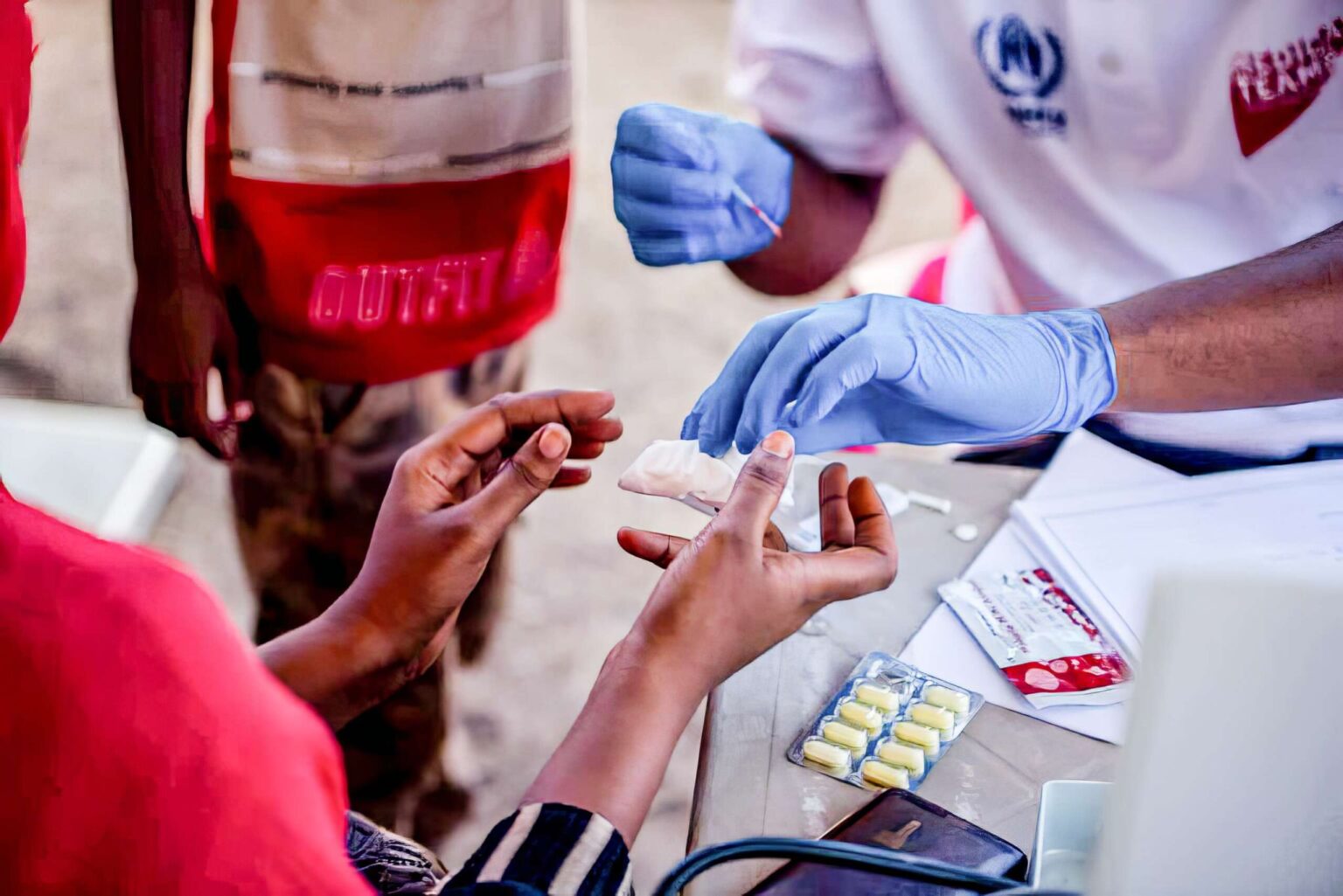
As we observe World AIDS Day 2025 on December 1st, the global health community faces a harsh reality: after decades of progress against HIV/AIDS political decisions, including reductions in foreign aid and national government allocations to health budgets, threaten to reverse hard won gains, especially for vulnerable populations. This is most evident in refugee camps across Uganda, Sudan, Kenya, and Ethiopia, where young people face an increasingly uncertain future.
During my recent visit to Um Rakuba in Eastern Sudan, testimonies from IDPs indicated that the health infrastructure had collapsed entirely due to ongoing conflict. For young people living with HIV who fled to camps in Chad, South Sudan, or Egypt, aid cuts have meant death. These refugees arrived already sick, having lost access to antiretroviral therapy when Sudan’s hospitals closed. International humanitarian organizations are their only hope for medication and care. Young people who survived war now face death from a treatable disease because the world looked away.
Today, this lifeline is fraying. Cuts to US foreign aid, reductions in European development budgets, and lowered contributions to multilateral health funds have created a dangerous situation. For refugee camps already operating on tight budgets, these cuts pose an immediate threat to their survival.
The timing couldn’t be worse. Uganda hosts over 1.5 million refugees, more than any other African country. Sudan’s conflict has created one of the world’s worst humanitarian crises. Kenya’s camps shelter hundreds of thousands in long-term displacement. Into these overcrowded, under resourced environments, aid cuts arrive like a second disaster.
Aid cuts harm not just to individuals but to entire generations. When pregnant women cannot access prevention services, babies are born with HIV unnecessarily. When adolescents lack prevention education, infection rates rise. When young people experience treatment interruptions, they develop drug resistance. When youth see no hope, risky behaviors increase. World AIDS Day 2025 should mark a significant turning point.
Donor countries need to fulfill their commitments to PEPFAR and the Global Fund, ensure refugee-hosting nations receive adequate support, and focus on programs for children and youth in humanitarian contexts.
Let’s make sure children aren’t lost to preventable diseases and refugees aren’t abandoned. Their lives are important. Whether we protect them will determine our generation’s legacy.
Wandabwa Franco is the International Republican Institute Resident Country Director, Ethiopia.