




By Dr. Shamim K. Matovu.
There’s a necessary conversation happening about Uganda Airlines —delays, cancellations, disrupted plans. As a traveller, I understand the frustration. Time and communication matters. People have a right to question. What has been weighing on me, however, is how we are questioning.
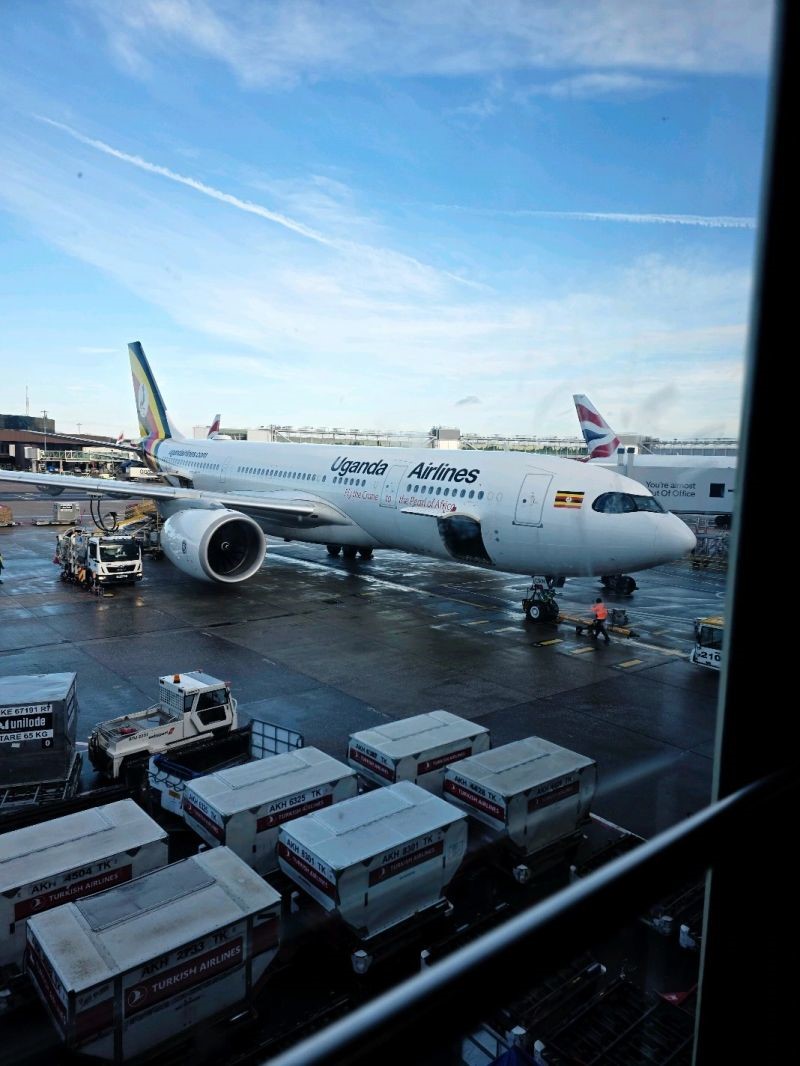
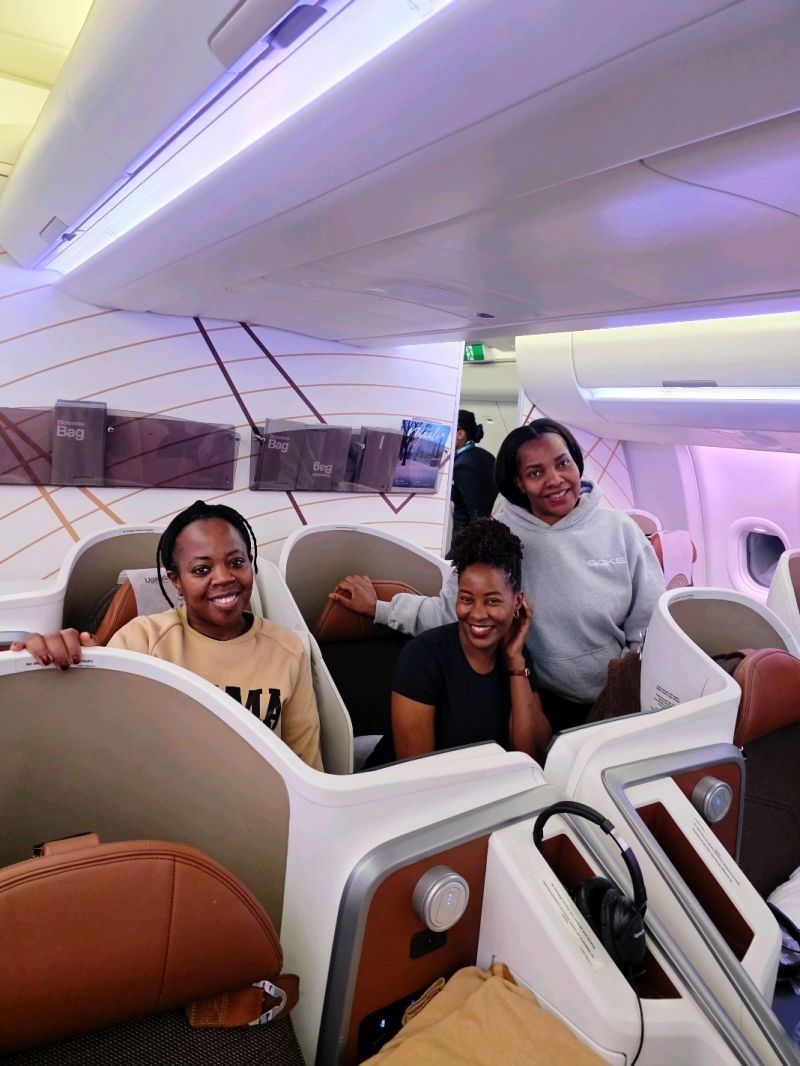
The Crane has been my go-to on the London route since the inaugural flight—largely for patriotism, convenience, time, and honestly, the exceptional onboard experience. Yes, my return flight was delayed for a couple of hours but there was communication. We stayed in the lounge long after other airlines had departed. Strangers started talking, laptops closed, headphones came off. And amidst a heavy turbulence, we landed Entebbe safely—and took a photo to celebrate that simple but profound fact.
That experience sits alongside the louder voices online—some from flyers, non-flyers, and also people who have never interacted with the airline at all. Critique is healthy. What worries me is when critique loses decency, context, and purpose—and starts to sound like we are uncomfortable with our own growth.
This reminds me of Kiira Motors Corporation in its early days. Many spoke confidently often without insight about how “nothing was really happening.” Fast forward, it sits at the helm of e-mobility in Africa.
Young national institutions need room to grow. They need space to make mistakes, fail forward, learn, and improve. Growth is rarely elegant. It is usually messy, operationally demanding, and deeply human.
As an organisational anthropologist, I pay attention to patterns. The recurring pattern here is this: we demand global excellence while starving local systems of patience, dignity, and constructive feedback. We critique as renters, not as owners.
Yet this is our investment. This is taxpayers’ money—my money and your money. And ownership comes with responsibility. Responsibility to question, yes—but also responsibility to build, critique with love and demand efficiency while acknowledging complexity. To hold institutions accountable without eroding the very confidence they need to perform better.
I was also struck by how leadership particularly female leadership is spoken about in these moments. It made me pause and ask: would the tone be the same if the CEO were a man? History and global examples suggest otherwise. Christine Lagarde’s journey—from Finance Minister to IMF, to European Central Bank reminds us how often women leaders are critiqued not just on outcomes, but on identity.
This isn’t a call to silence critique but a call to upgrade it. Because the real question is not: “Are there challenges?”
The question is: “Are our words building capacity or breaking confidence?”
We can ask hard questions.
We can demand improvement.
But let’s do it like people who plan to stay in the house not burn it down.
The destination matters but how we travel together matters just as much.
Yours truly,
The author is a business transformation advisor and a frequent traveller.