




A new study by the Africa Center for Strategic Studies reveals that more than 150,000 people have been killed in terrorist violence across Africa over the past decade, with the Sahel, Somalia, and the Lake Chad region suffering the highest tolls.
Since 2016, when Somalia was the main hotspot, terrorist attacks have expanded sharply. More groups have emerged, more regions are under threat, and many now pledge allegiance to al-Qaeda or the Islamic State (IS).
The crisis deepened after military coups in Burkina Faso, Mali, and Niger. Promising to defeat extremists, the juntas have instead presided over worsening violence. Burkina Faso now records the most terrorism-related deaths worldwide, followed by Mali and Niger. In the past year alone, the Sahel counted 10,685 deaths—nearly half the continent’s total.
Violence is spilling into northern Benin, Togo, and northwestern Nigeria. Researchers warn the true toll may be even higher, as military rulers have restricted media access across the region.
In Burkina Faso, terrorists control about 40% of the country. The junta has armed thousands of poorly trained civilian fighters, known as Volunteers for the Defense of the Homeland, who have been accused of widespread abuses, particularly against the Fulani community.
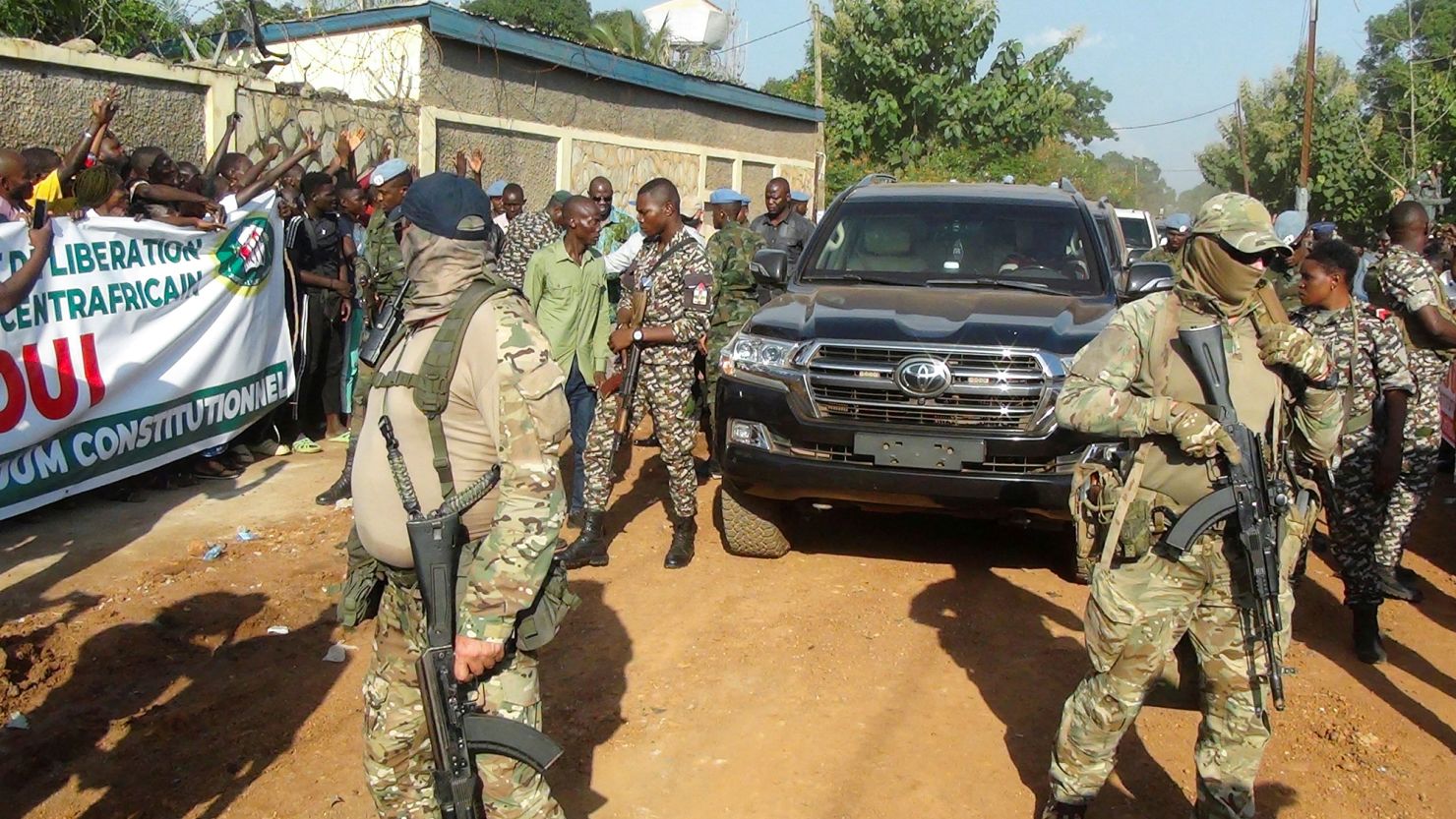
The conflict has drawn foreign involvement. Mercenaries from Russia’s Africa Corps—and previously the Wagner Group—are assisting local forces against Jama’at Nusrat al-Islam wal-Muslimin (JNIM) and allied groups. Their presence has coincided with a rise in civilian casualties. Over the past 4 years, more than 6,000 people have been killed in military and mercenary attacks, surpassing the 5,708 deaths caused by terrorists during the same period. Among the deadliest incidents was the 2022 massacre in Moura, Mali, where over 300 men, mostly Fulanis, were executed.
JNIM, an al-Qaeda affiliate, is responsible for 83% of terrorism deaths in the Sahel and has recently acquired drones, expanding its reach. In Somalia, al-Shabaab remains the dominant extremist force despite competition from IS-linked factions.
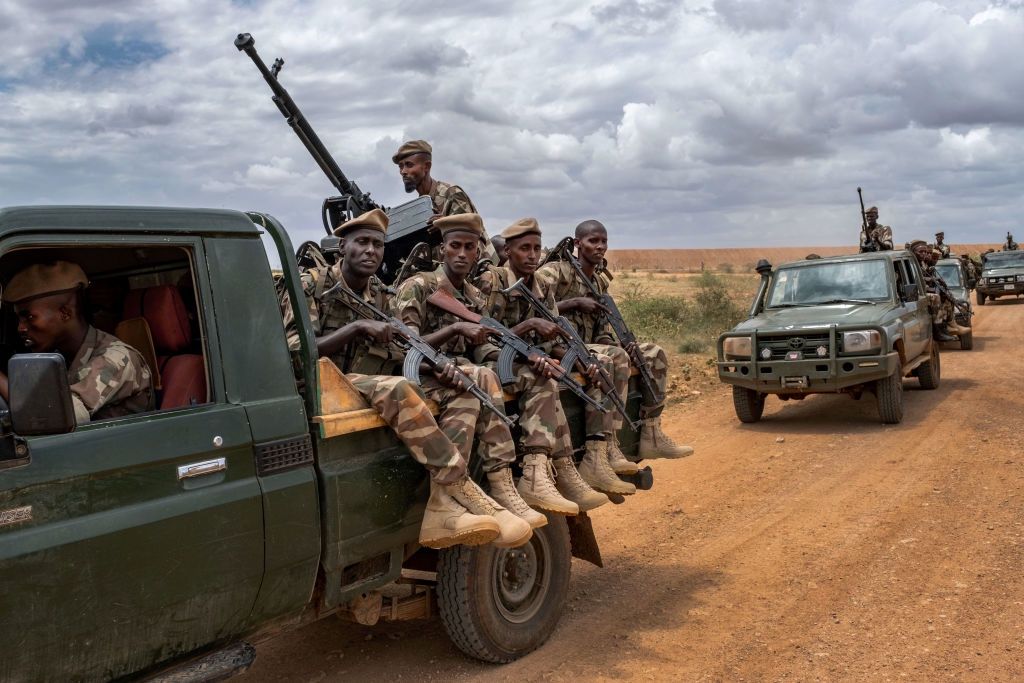
Somalia’s 2-year offensive against al-Shabaab has backfired, triggering intensified attacks that have cost the army territory and doubled fatalities to more than 6,200 since 2022. Ties with Yemen’s Houthis have helped extremists deploy drones against Somali forces.
In the Lake Chad Basin—covering Cameroon, Chad, Niger, and Nigeria—Boko Haram’s influence has declined since its 2015 peak, yet deaths rose 7% last year due to attacks by Boko Haram and the Islamic State West Africa Province (ISWAP). Nigeria has intensified airstrikes in Borno State, reportedly killing nearly 600 fighters and destroying militant assets. In response, extremists have escalated drone attacks on bases, police stations, and civilians.