



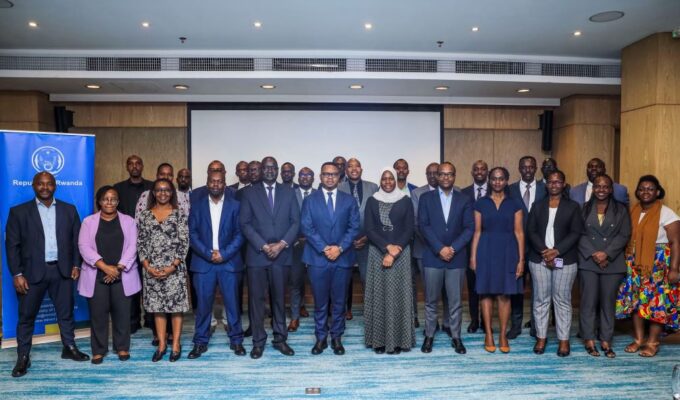

In a decisive move to create a digitally unified East Africa, the Permanent Secretary of Uganda’s Ministry of ICT and National Guidance, Dr. Aminah Zawedde, recently chaired a high-level meeting in Kigali, Rwanda. The gathering brought together senior ICT officials from Uganda, South Sudan, Kenya, and Rwanda to advance a shared vision of full regional connectivity and seamless broadcasting.
As Dr. Zawedde noted, “This critical meeting underscored a fundamental belief among member states that bridging the digital divide is not merely a technical challenge, but a key to unlocking transformative opportunities for trade, integration, and cross-border services.”
The meeting is a part of the Northern Corridor Infrastructure Projects (NCIP) ICT Cluster, an initiative focused on fostering regional integration through infrastructure development. At the heart of the current discussions are projects designed to harmonise policies and deploy infrastructure that will break down digital barriers.
According to Dr. Zawedde, some of the key initiatives being advanced include the Regional Communication and Broadcasting Satellite Initiative, which aims to provide affordable broadband and reduce dependence on foreign satellite providers.
She revealed that they are also focusing on the One Network Area (ONA) framework, which has already helped to cut roaming costs and aims to ensure that citizens can move, trade, and connect across borders without incurring exorbitant phone bills.
Full regional connectivity is an economic necessity. While individual countries have made strides in digital innovation, a lack of interoperable systems, fragmented regulatory frameworks, and high transaction costs have hindered a cohesive regional digital market. By addressing these challenges, therefore, the NCIP ICT Cluster is paving the way for a single digital market that will:
A seamless digital environment will allow businesses to expand their reach across borders, reduce logistical hurdles, and simplify cross-border payments, directly boosting intra-regional trade.
Seamless connectivity is crucial for delivering cross-border services in healthcare and education. It ensures that students can access online learning resources from any member state and that health professionals can consult and share information, improving the overall quality of services. It also enables the seamless movement of labour and skills across the region.
A connected population is a more integrated one. Seamless broadcasting and communication foster a shared regional identity, promoting the free movement of people, labour, and services as envisioned by the EAC Common Market Protocol.
This collaboration among East African nations is a powerful acknowledgement that in the digital age, national progress is inextricably linked to regional connectivity.
By working together, Uganda, Rwanda, South Sudan, and Kenya are not just building infrastructure; they are laying the groundwork for a more prosperous and integrated future for all their citizens.