





Investing in family is the only venture that always pays dividends of love and joy. Family business can be successful because the family members share common values and work together to build a strong commitment to the business. Family owned businesses and investments can be more resilient than other businesses because they tend to take on less debt and reinvest their wealth. This benefits employees, customers, suppliers and communities where they operate. Family businesses thrive on the bedrock of trust and commitment; these are not just ventures, they are legacies built over generations.
Family businesses and investments are often classified as 1- first generation or founder firms. 2-Sibling ownership or partnership, 3- Family dynasty or cousin consortium. Their major priorities are ‘the 4Cs”: continuity, community, connections and command. Each of these is structured to achieve maximum advantage for the entity. The family circle rotates around Family, ownership and business. The 4Cs form the basis of family business ownership models that include, Owner- operator model, partnership model, Distributed model and Nested model. These form what is termed as bases to successor commitment to family business- effective base (based on perceived desire), normative base (based on perceived sense of obligation, calculative base (based on perceived opportunity costs involved and imperative base (based on perceived need)
Families that lack a livelihood are more prone to gender based violence, divorce cases, poor parenthood and a cyclical generational poverty. Families that have predictable source of income are stable because they can plan together and prosper as a unit. Studies have shown that most families are unstable because they can’t afford basic necessities to look after family members. Broken marriages, single mothers, child marriages, juvenile delinquents, drug abuse and crime rates have a background in the economic status of the families. The quality of life, the quality of education, shelter and nutrition, all have a basis in the level of family economic stability. The national demographic survey reveals that homesteads without an economic source of income are most likely to experience vagaries of sicknesses, poor education, poor shelter, malnutrition and breakups.
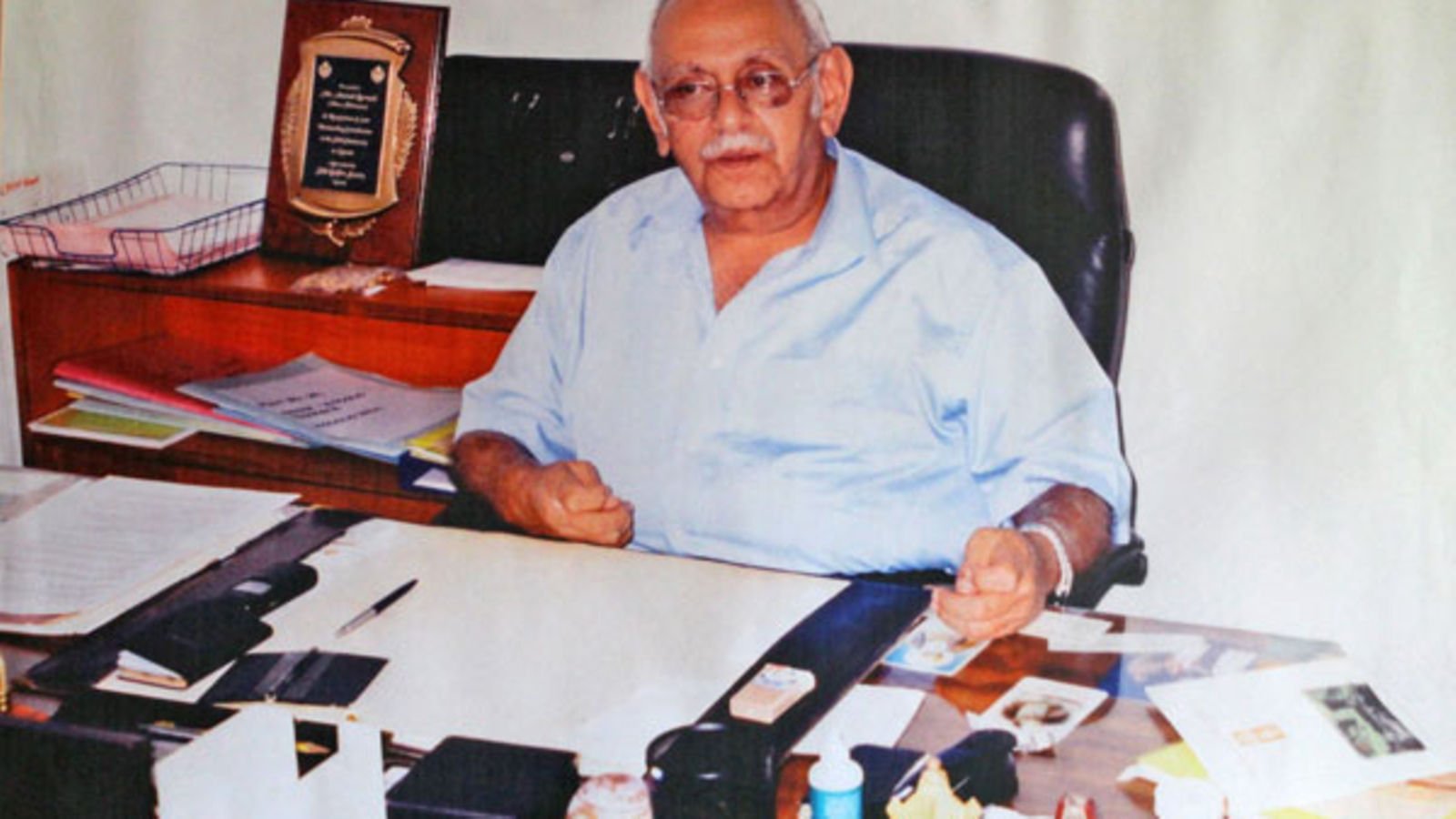
A critical study of the history of family businesses and investments, reveals that they have existed predating modern corporations. Their origins can be traced back to medieval guilds, artisan workshops and agrarian societies. The early enterprises were family-owned and managed, with skills, knowledge and pride passed on from one generation to the next. In the last centuries, family businesses were central in the industrial revolution. On the Global scale, iconic names like Ford, Rockefeller and Rothschild, built empires in sectors like manufacturing, finance and transportation. The great depression and world wars tested family businesses’ resilience. Some thrived while others collapsed. Those that didn’t adapt or took long to adjust in making strategic decisions went bankrupt.
In Uganda and East Africa as a region, there are family names that are larger than life as icons of family businesses and investments. Walusimbi’s Garage on Dewinton road, Muljibhai Madhvani, Kabangala Family in Masaka, Mulwana family, Mukwano family, Mehta family, Chandaria in Kenya, Kenyatta Family, Koinange Family, Macharia Family, Bayusuf Brothers in transport etc. These are families that have stood the taste of time to establish an enduring family business legacy, reputation and community impact. They focus on generational continuity than short-term gains. Family businesses and investment create strong bonds, a sense of loyalty, trust and commitment among stakeholders including employees. Workers are crafted into a business mindset to believe that they are part of the family fabric. All personal interests are subordinate to family values. The family members and workers are guided by the stewardship theory which suggests that managers and top level executives adhere to a higher purpose with regard to their position and role. They are stewards or flagbearers of the original purpose for the formation of the business. They carry the vision of the original business owners.
Before business decisions are brought to the boardrooms, informal discussions could have taken place around the family dining table. The board that may include other non-family members may only be influenced to take a position already agreed on at home. The unique trait about family businesses, is that family members have multiple roles; owners, managers and employees depending on the hierarchy of the family structure. The patriarch can be board chairman, the sons, managers and grandchildren employees like other contractual workers. This sometimes leads to challenges like succession planning, where transitioning from one generation to another can be a tricky process. Sometimes the one in line of succession may not be charismatic enough to inspire others, yet the capable one is far below the family structure. In this scenario conflicts are inevitable, unless conflict resolution mechanisms are strong within the family.
Family business and investment in a modern setting, demands professionalism. As a condition, the family must adopt professional management ethics that may disrupt established family norms. In Buganda, specific clans and families are assigned roles to the kingdom. For instance, bark cloth making was assigned to…., artisan and blacksmith was assigned to…., but with time, technology has changed, these roles are open to anyone. So families that originally were known for these businesses, have lost the cultural clout to new entrants. Globalization, technological advancements and changing consumer preferences pose serious challenges. Family businesses must adapt without compromising core values.
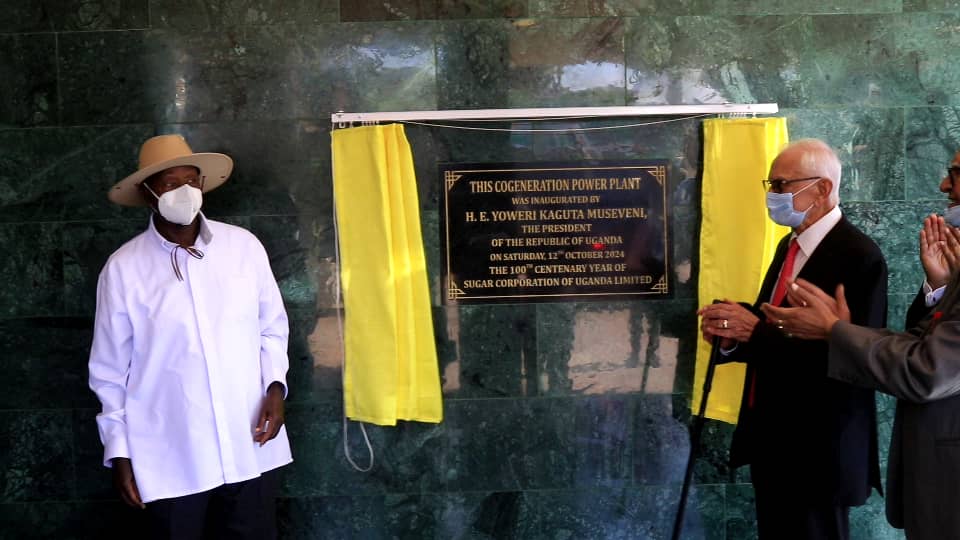
MARS Inc., a family business known for brands like M&M and snickers started in 1911. It emphasizes innovation and long-term thinking. IKEA founded by Ingvar Kamprad. It has revolutionized furniture retail. Despite its massive scale, the Kamprad family maintains control and commitment to affordability. The Carnegie family business of steel started by Andrew in 1911 still runs to date. The Mukwano group started in 1904 by Ali Mohamad Karmari whose rapport with the local populations earned him the nickname Mukwano meaning a friendship, goes back four generations. It was passed to the son in 1960s AmiraliKarmali who launched Egesa commercial Agencies, the forerunner of Mukwano Enterprises now being run by his son Alykhan -Kharmali
Family businesses and investments have basic characteristics.
- The first is a succession plan. From the beginning, the hierarchy must be well laid down, such that the loss of the family patriarch doesn’t cause conflict. The plan ought to outline the shift of power, responsibilities and authority to the heir.
- Another characteristic, is family ownership, one or two families that are bound by a common good and aspirations own the majority of the business shares.
- Family involvement. Most family members hold most of the executive positions and make strategic decisions.
- Family values. The founder’s philosophy guides how the business operates.
- Family culture. Family members express their feelings, needs and ideas and accept differences.
- Family communication. Members communicate clearly, honestly and respectfully.
- Family succession. Family members pass down their shares and executive positions to the next generation.
- Family business structure. Small family businesses may have informal structures while larger businesses may have more formal structures.
- Family business management. Successful family businesses have efficient board of directors or mentors that includes non-family members.
- Family business performance, Family businesses may provide high quality customer service.
Family businesses and investments are more than economic entities, they embody tradition, resilience and sense of purpose. Understanding their origin helps us appreciate their enduring impact on the business landscape.