



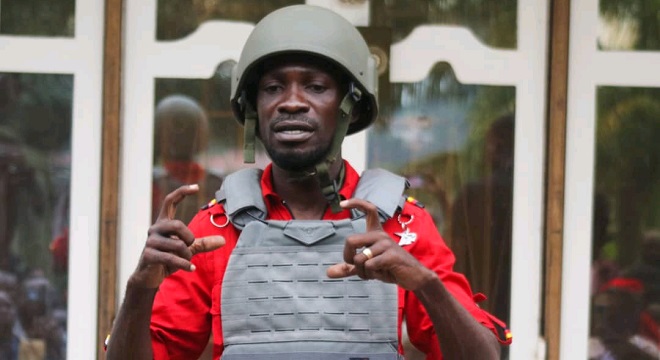

There is opposition politics, and then there is performance art. Somewhere along the way, Bobi Wine and his National Unity Platform (NUP) appear to have confused the two.
With the January 15 polls approaching, critics say the NUP playbook has become painfully predictable. When momentum dips, manufacture outrage. When relevance fades, cry abduction. When facts fail, escalate the drama. It is politics by theatre, complete with villains, victims, and a script that never seems to change.
For years, Bobi Wine has positioned himself as a permanently hunted man, painting Uganda as a country of mysterious vans, shadowy drones, and endless disappearances. Yet each season of alarm is followed by an awkward pause when evidence refuses to cooperate. The result is not righteous anger but public fatigue.
The pattern became especially glaring in 2023, when opposition-linked activists presented what was billed as a list of abducted citizens meant to implicate the government of Yoweri Kaguta Museveni and senior security figures, including Gen. Muhoozi Kainerugaba, before the International Criminal Court. Instead of shaking the state, the list collapsed under scrutiny. Uganda’s own Uganda Human Rights Commission disclosed that several names had been lifted from neighboring countries. The scandal did not expose tyranny. It exposed desperation.
Fast forward to 2025, and the script barely changed. When NUP figures surfaced claiming fresh abductions, videos and timelines emerged that contradicted the stories. What was marketed as terror began to look like choreography. On social media, critics mocked what they called “self-abduction politics,” accusing the party of manufacturing victimhood to harvest sympathy and funding.
Online commentary has been brutal. One viral post bluntly declared that Uganda remains peaceful and that opposition figures were “abducting themselves” to stay relevant. Hyperbolic? Yes. But satire often lands because it echoes a wider frustration: many Ugandans are tired of being emotionally blackmailed every election cycle.
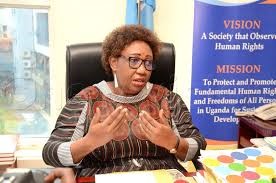
The deeper irony is that these tactics undermine genuine cases of abuse. When every political inconvenience is labeled an abduction, real victims disappear into the noise. Even fact-checkers, normally allergic to political drama, have repeatedly clarified that claims of Bobi Wine staging his own disappearance have no evidence. Yet the very need for such clarifications speaks volumes about how low public trust has sunk.
Why persist with a strategy that keeps backfiring? Critics argue that chaos has become a substitute for ideas. As NUP’s message struggles to evolve beyond outrage, disruption becomes the product. Stir fear. Predict violence. Hint at internet shutdowns. Promote encrypted apps. Then point to the tension and say, “See? We were right.”
It would be amusing if it were not dangerous. Election seasons are fragile. Playing games with public emotion risks real harm, not staged suffering. Even government agencies, including the UHRC and police, have repeatedly dismissed several high-profile claims as exaggerated or false. Still, the theatre goes on.
Uganda deserves serious politics, not a reality show built on alleged disappearances and perpetual grievance. If leadership is measured by ideas, organization, and credibility, then self-inflicted drama is not rebellion. It is retreat.
As the country heads to the polls, voters would do well to separate verified facts from viral scripts. Victimhood is not a manifesto, and chaos is not courage. Uganda’s peace is not a prop. It is not a stage. And it certainly should not be anyone’s campaign strategy.