




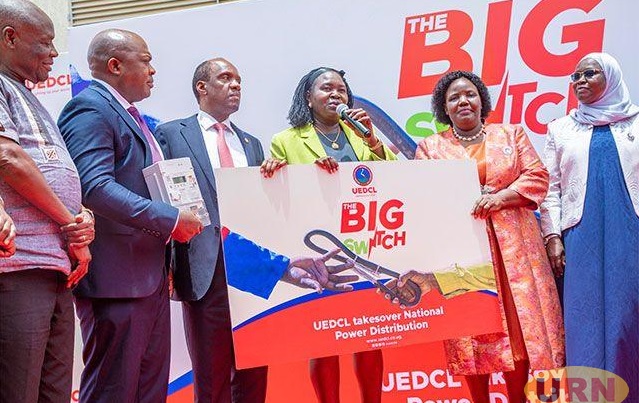
Following the retransfer of assets on March 31, 2025 from Umeme Limited, UEDCL currently operates the largest power distribution network in the country. This bold decision to give the distribution back to government of Uganda is surrounded by a favorable political, economic, and regulatory environment. The switch from UMEME to UEDCL made a total of seven concessions, that UEDCL is currently running. The Big Switch has impacted the nation’s industrial capacity, Gross Domestic Product, social and economic transformation, and created job opportunities for Ugandans.
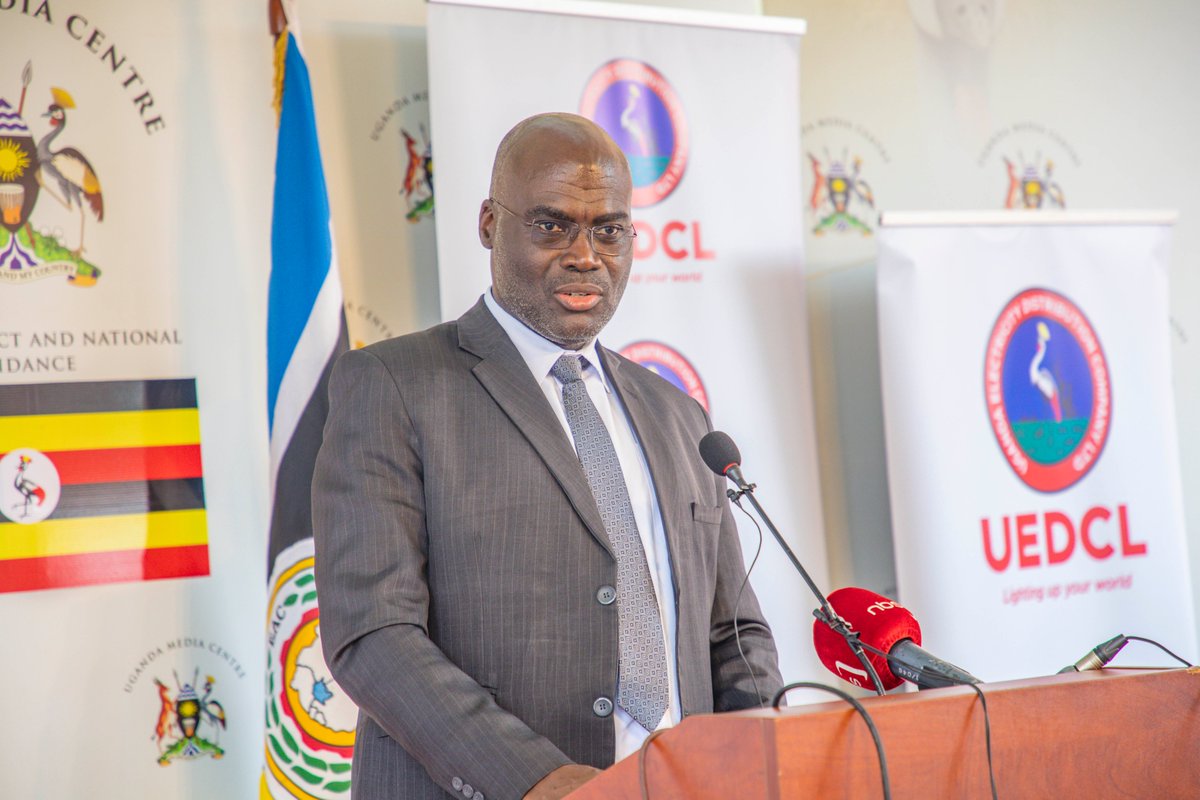
In a converstion with the Nilewires, Paul Mwesigwa, CEO UEDCL said, “the grid has relatively stabilized and that investments are now flowing into the asset.” The last 12 months have been an amazing test for UEDCL because of the many power outages and transformer problems that occurred during the first 6 months of the big switch. “We had the chance to study the asset, optimize the nation’s outdated and overloaded substations, start capital expedinture and operation expenditure procurements, realign personnel, and all of this while making sure the lights remained on” added Paul. The past year demanded strong leadership, focus and resilience.
In a serialised publication, the Nilewires gives an accountability of the past one year since the takeover also dubbed the “Big Switch”.How the switch has impacted the economy and how the future looks like.
Investments to Stabilize the Grid
With a total projected investment of over USD 994 million, the UEDCL has created a thorough five-year investment master plan which covers 2026 to 2030. The strategy is in line with National Development Plan IV and the government’s second-generation electricity sector reforms.
The master plan highlights a systematic recovery and growth strategy, not only a capital plan, with the goal of turning an aging distribution network into a contemporary, dependable, scalable, and smart power distribution system. It is in response to UEDCL’s expanded mandate following the takeover of Umeme operations plus the other five private operators taken over since 2017 (UEDCL currently runs a total of seven consessions). The plan is further building on the assessment of the distribution network condition in 2025 and the urgent need to support national growth.
The investment is deliberately targeted across three critical fronts. First, access expansion and connecting new customers, with a strong focus on achieving national electrification targets through last-mile connections and grid expansion. Second is network reliability and quality of supply, addressing power outages, poor voltage profiles, and weak infrastructure through feeder refurbishment, automation, and substation upgrades and thirdly, asset replacement and modernisation, ensuring that obsolete and end-of-life equipment is systematically replaced to restore network integrity and operational efficiency driven by smart technology.
These investments will be rolled out progressively over the five-year period, with front-loaded spending in the early years to stabilise the network, followed by sustained investments to support industrial growth, reduce losses, and improve service quality.
The beneficiaries of the investments into grid stability will be the over 300,000 new additional customers per year making a total of an additional 1.5m new customers in five years, existing domestic and commercial users, and a rapidly growing base of industrial consumers.
The plan provides a transformative roadmap aimed at enabling the UEDCL to deliver safe, reliable, affordable and sustainable electricity services while strengthening institutional capacity and operational efficiency.
Financial Performance
UEDCL’s financial performance for FY 2025/26 reflects a stable start following the transition, with results up to February 2026 indicating steady revenue generation and controlled costs.
Revenue to date stands at UGX 1.71 trillion, with a gross margin of 22% and EBITDA margin of 9%. Performance is projected to strengthen in the remaining months, with full-year revenue expected to reach UGX 2.62 trillion and EBITDA improving to UGX 251 billion, reflecting a stronger margin of 10%.
The outlook is anchored on the new connections of approximately 300,000 customers per year and an estimated 15% growth in electricity sales, supported by ongoing capital investments to unlock network capacity and meet rising demand. The Company is targeting a reduction in energy losses to 13.7% as per ERA target through network rehabilitation, enhanced metering, and strengthened operational controls.
Cost of Sales.
The Company paid a total of UGX 1.71trillion to UETCL within the first 10 months of its operations, demonstrating its commitment to maintaining financial discipline and supporting the stability of the electricity supply chain.
The cost of sales remains largely driven by electricity purchases from UETCL, which represents the largest component of UEDCL’s operational expenditure. As the national electricity distributor, UEDCL purchases bulk electricity from UETCL for onward sale to customers (commercial & domestic). These payments are made in accordance with the power purchase agreements with UETCL as per ERA licenses.
Taxes Paid
UEDCL continued to meet its statutory tax obligations to Government of Uganda under various tax heads. These contributions reflect the Company’s role not only as a national utility but also as a significant contributor to public revenue. By the end of 2025, UEDCL had remitted a total of UGX 132.5 billion in taxes to the Government of Uganda through Uganda Revenue Authority.
Look out for Part II where UEDCL’s Paul Mwesigwa talks about how they are going to mobilise funds to finance their strategic plan and how they are to drive demand for electricity.