



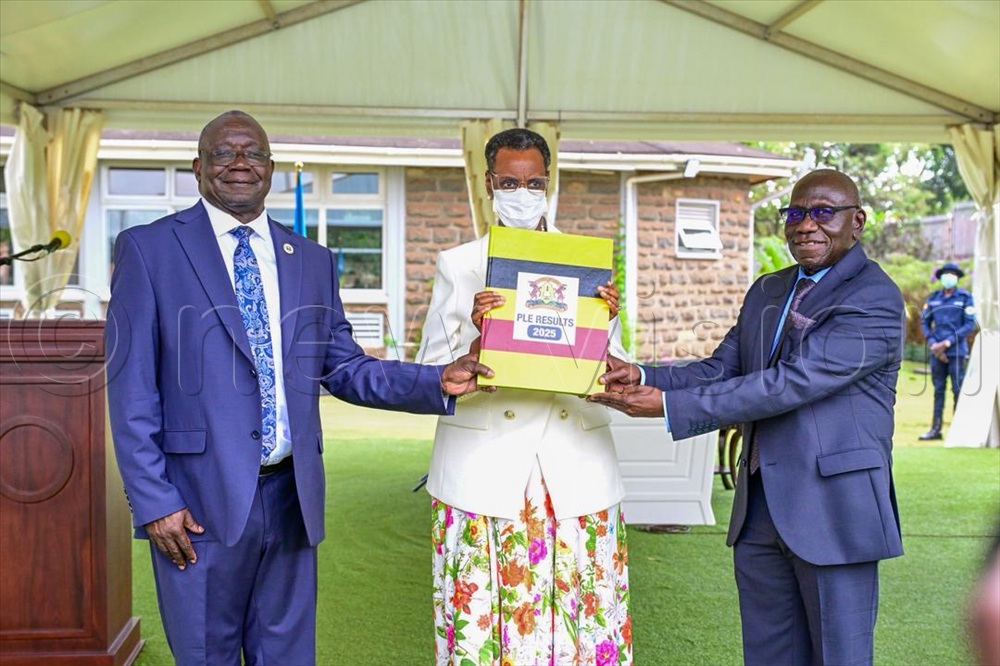

The recent alarm over Uganda’s education “collapse” relies heavily on dramatic framing but falls short on context. While the transition figures from Primary Leaving Examinations (PLE) to university appear steep, they do not tell the full story of a system that is, in fact, expanding, evolving, and delivering measurable progress.
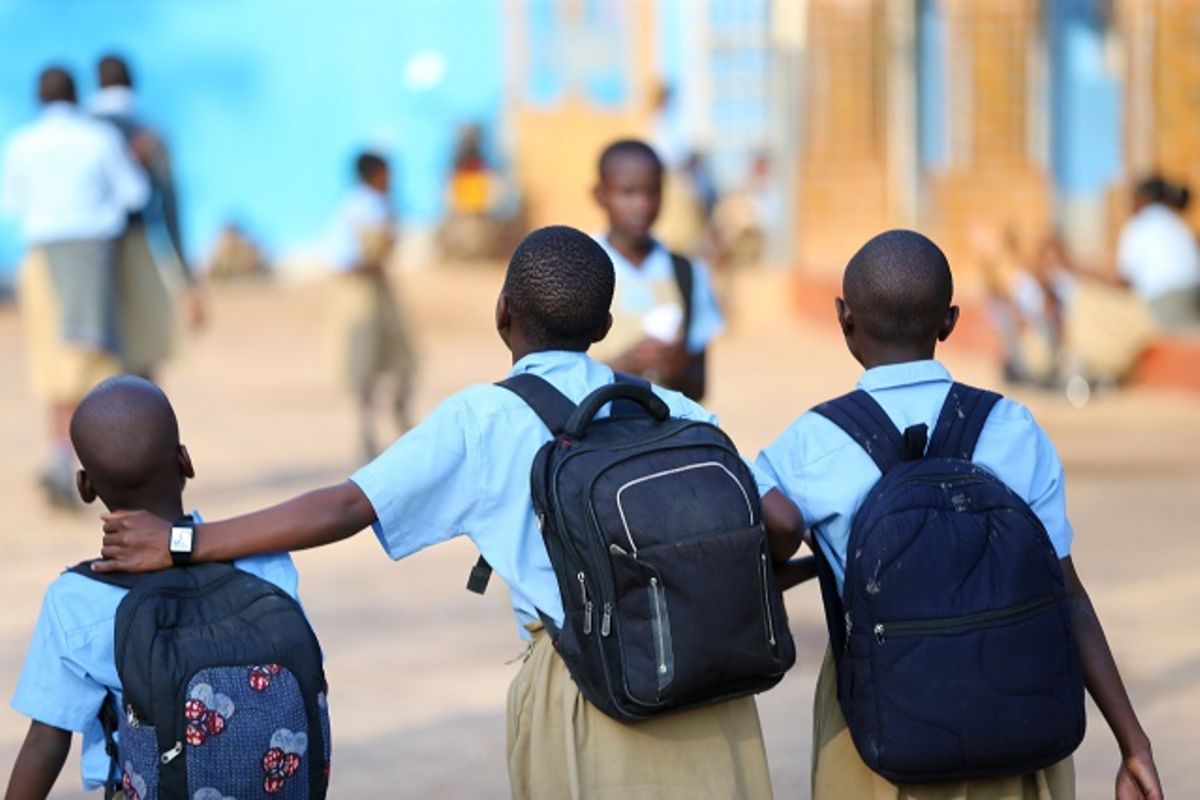
Start with access. Uganda’s education system has made significant gains under sustained government investment. According to the 2025 Statistical Abstract, the National Net Enrolment Rate (NER) for primary education stands at an impressive 92%, with a Gross Enrolment Rate (GER) of 125%. This reflects the continued success of Universal Primary Education (UPE) in bringing millions of children into school. At the secondary level, NER stands at 20% and GER at 28%, highlighting both progress and the need for further expansion.
These numbers matter. They show that more children are entering the system than ever before. The construction of seed secondary schools across districts has reduced distance barriers, especially in rural areas. Government has also supported over 2,000 students with higher education loans in the 2025/2026 academic year, widening access beyond traditional affordability limits.
Critics often point to the drop from over 659,000 PLE candidates in 2018 to about 92,000 university entrants years later. But this interpretation assumes a linear academic pathway for all learners, which is neither realistic nor desirable. Education systems worldwide are designed as pyramids, not pipelines. Uganda is no different.
In fact, recent examination results from the Uganda National Examinations Board show improvement, not decline. In 2025, 166,400 candidates registered for UACE, a 17.2% increase from the previous year. Of these, 68.9% qualified for certification, and 68.6% achieved at least two principal passes—meaning over 113,000 students qualified for university admission. At the UCE level, the pass rate stood at an exceptional 99.69%, with most candidates achieving grade C or better.
These are not the statistics of a collapsing system. They point to improving performance and reduced dropout rates across key stages.
Equally important is the diversification of opportunity. Not every learner is destined for university, nor should they be. Government has deliberately expanded Technical and Vocational Education and Training (TVET) to absorb students into skills-based pathways. Many of those described as having “vanished” from the academic track are pursuing vocational training, employment, or entrepreneurship—critical components of a balanced economy.
The financial commitment also tells a story of priority, not neglect. The education sector received Shs 5.04 trillion in the 2025/26 national budget, representing a substantial investment in infrastructure, teacher support, and quality improvement. Policy reforms are underway following the 2025 Education Policy Review, aimed at strengthening compulsory education, improving standards, and addressing equity gaps.
Of course, challenges remain. Pupil-teacher ratios in some public primary schools average around 61:1, and disparities persist in regions such as Karamoja. But acknowledging these issues should lead to constructive solutions, not sensational ultimatums.
Calling on the Minister of Education and Sports, Janet Kataaha Museveni, to appear on live television within 72 hours may generate headlines, but it does little to solve structural challenges. Education is not managed through theatrics.
Ultimately, the responsibility for education does not rest with government alone. Parents must ensure attendance, discipline, and support at home. Communities must value schooling. Learners themselves must make choices about their futures.
Uganda’s education system is not perfect, but it is progressing. The real task is to build on these gains with shared responsibility—not to undermine them with incomplete narratives.