



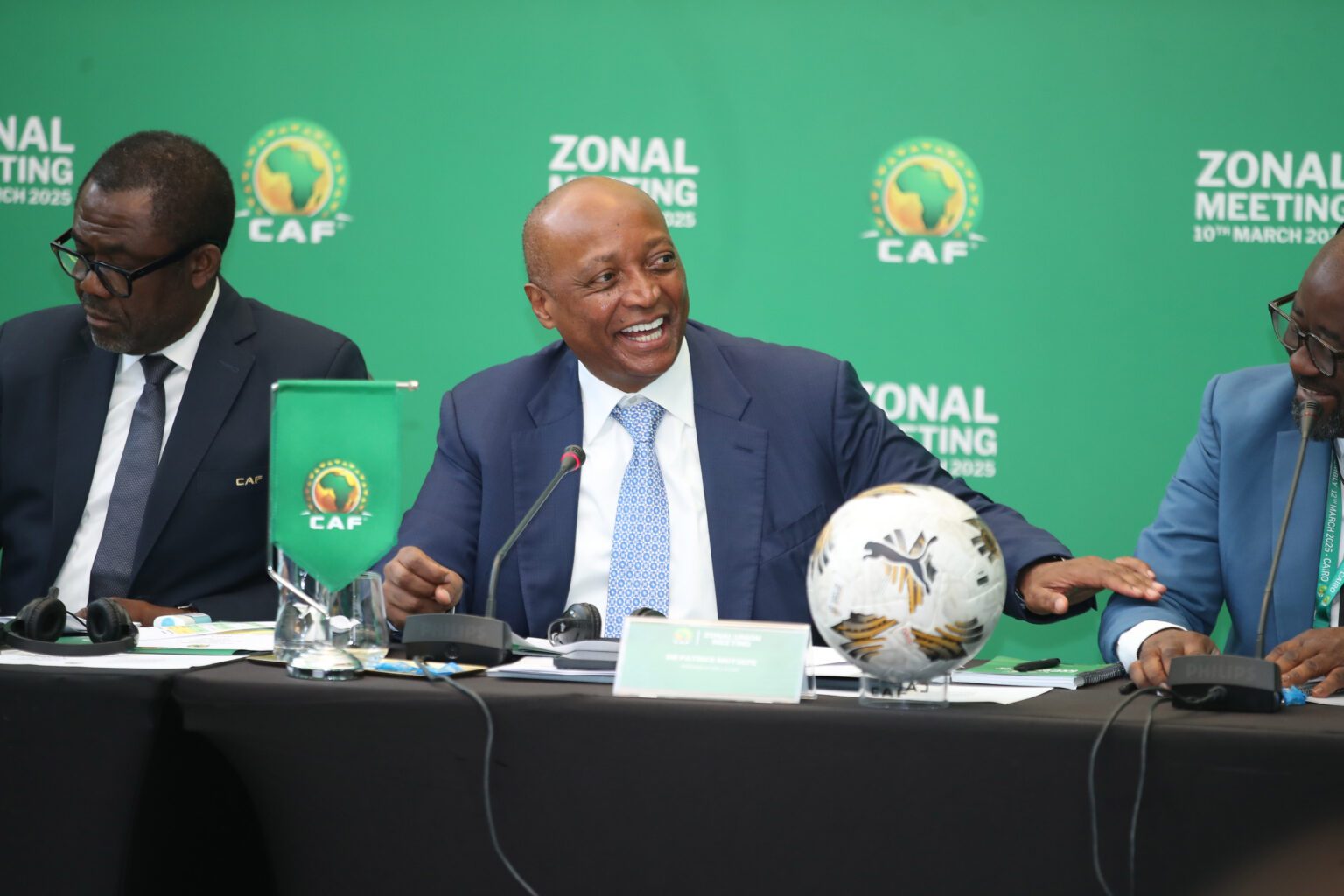

Uganda remains firmly on track to co-host the 2027 Africa Cup of Nations (AFCON) alongside Kenya and Tanzania, following strong reassurance from Confederation of African Football (CAF) President Dr. Patrice Motsepe amid growing debate over stadium readiness. Motsepe expressed confidence in the East African PAMOJA bid despite recent CAF inspection reports highlighting gaps in several proposed venues across the three host nations.
Speaking at a press conference in Cairo, Egypt, the CAF president pointed to past tournaments that overcame similar doubts during preparation stages. “In 2023, many people wanted Ivory Coast to be stripped of hosting rights, but we had one of the most successful AFCON tournaments,” Motsepe said. “I have faith in Kenya, Uganda and Tanzania to do well.”
The inspection findings noted areas requiring improvement in Uganda’s infrastructure. Hoima City Stadium was flagged for missing operational components such as spectator arrangements, dressing rooms, and media facilities, while Mandela National Stadium requires upgrades, particularly on the West Stand and supporting sections.
However, Ugandan officials and sports stakeholders maintain that the issues identified are part of an ongoing development process rather than signs of unpreparedness. Government representatives have emphasized that corrective measures are already underway, with contractors engaged to address CAF recommendations ahead of the next inspection phase expected in 2026.
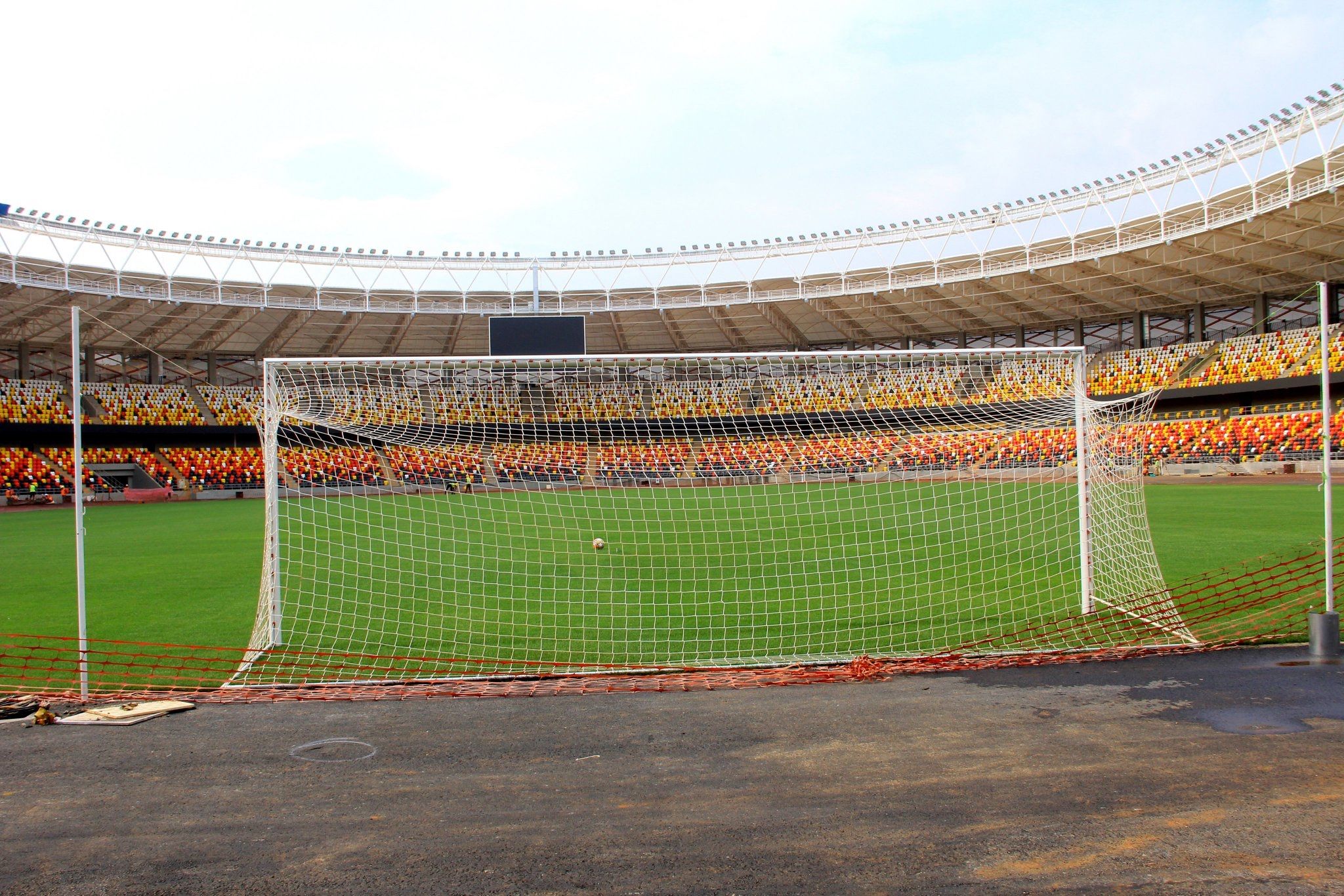
The Hoima City Stadium project, valued at approximately $130 million, continues to draw attention for its rapid construction progress. The modern facility is expected to become a key venue during AFCON while also boosting sports tourism and regional economic activity in western Uganda.
Preparations extend beyond stadium construction. Infrastructure upgrades linked to the tournament include improvements at Kabalega International Airport to accommodate increased visitor traffic, alongside ongoing works on training facilities and auxiliary venues nationwide.
Supporters of the tournament highlight the long-term benefits expected from hosting AFCON, including job creation, improved sports infrastructure, tourism growth, and enhanced international visibility for Uganda and the wider East African region.
Motsepe also confirmed that CAF will intensify engagement with host countries, including planned visits aimed at strengthening coordination and monitoring progress. He further announced plans to expand the AFCON tournament format to 28 teams, reflecting CAF’s ambition to grow the competition’s reach across the continent.
As preparations continue, optimism remains strong among officials and fans who view current challenges as normal milestones in organizing a major international event.
With construction advancing and continental backing secured, Uganda and its regional partners are increasingly positioning themselves to deliver a successful AFCON in 2027 — one that could redefine East Africa’s place on Africa’s football stage.