




In moments of international crisis, fear travels faster than facts. Over the past weeks, social media platforms have been flooded with claims that the Government of Uganda has abandoned its citizens caught up in tensions linked to the Iran–US–Israel conflict and its ripple effects across the Middle East, including the United Arab Emirates. Some posts paint a picture of total inaction. Others suggest helplessness or indifference.
What we are witnessing is not government silence, but a complex diplomatic and logistical response unfolding under difficult global conditions. The Ministry of Foreign Affairs (MOFA), working through Ugandan embassies and international partners, has already delivered measurable results while continuing to support citizens where large-scale evacuation remains practically impossible.
The most immediate danger emerged in Iran, where escalating military strikes created a direct threat to civilians, including Ugandan students studying in Tehran. On 28 February 2026, MOFA issued a formal security advisory urging Ugandans to leave through any available means and began withdrawing non-essential embassy staff for safety.
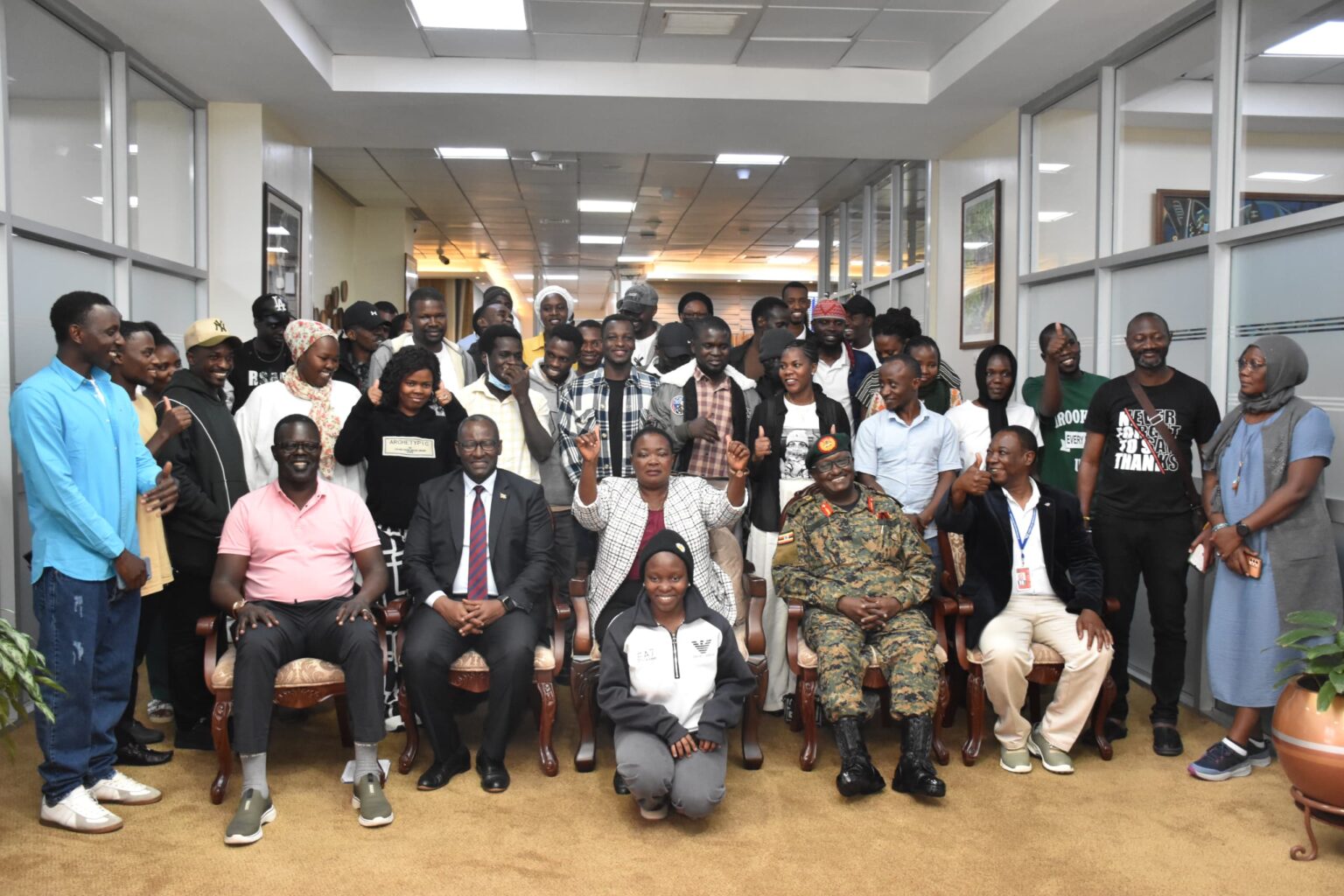
Uganda’s embassy in Tehran organised ground transport, moving students by bus toward the Turkish border. Turkey facilitated transit visas, allowing safe passage into Istanbul. Within days, flights were arranged, and between 3 and 6 March, forty-three Ugandan students safely returned home through Entebbe International Airport.
This operation required cross-border diplomacy, security coordination, and rapid decision-making inside an active conflict environment. Governments rarely advertise such efforts loudly, but their success is measured in lives safely returned, not online applause.
Importantly, not every Ugandan chose to leave Iran. Some elected to remain due to academic commitments or personal reasons, a reminder that evacuation is never purely a government decision but also an individual one.
The situation in the UAE, particularly Dubai, has been widely misunderstood. Unlike Tehran, the UAE is not an active war zone. The disruption there stems largely from regional airspace closures, flight cancellations, and isolated security incidents linked to the wider conflict. Here, the government’s role shifts from evacuation to sustained consular support.
Uganda’s embassy in Abu Dhabi and its consulate in Dubai remain fully operational, providing emergency hotlines, documentation assistance, and real-time advisories to an estimated thirty thousand Ugandans living and working in the country. Citizens have been advised to register with the embassy, follow local authorities, and prepare for travel once commercial flights resume.
Critics demanding immediate charter evacuations overlook a basic reality: when international airspace closes, even the most powerful countries cannot simply deploy aircraft at will. This is a global aviation disruption, not a uniquely Ugandan failure.
Diplomatic work rarely produces dramatic visuals. There are no televised rescues or cinematic airlifts. Instead, there are phone calls between governments, negotiated transit permissions, emergency travel documents, and continuous monitoring behind the scenes.
Another challenge is registration. Many citizens abroad do not formally register with Ugandan missions, making it difficult to locate and assist them quickly during emergencies. This gap often creates the perception that nothing is happening, even when assistance structures are already in place.
The government’s strategy has been consistent: prioritise the most vulnerable first, provide verified information, and act within realistic logistical limits. The successful evacuation from Tehran demonstrates that this approach works.
Constructive criticism is healthy in a democracy. Governments must always be questioned and held accountable. But accountability requires accuracy. Amplifying misinformation during a crisis does not protect citizens; it creates panic and undermines coordinated response efforts.
Uganda’s diplomats are operating in a volatile international environment where decisions depend on foreign governments, aviation authorities, and rapidly changing security conditions. Despite these constraints, citizens have already been evacuated from the highest-risk area, and thousands more continue receiving consular support abroad.

As the situation evolves, Ugandans abroad should rely on official embassy channels rather than viral posts. Families at home should encourage loved ones to register with missions and follow verified advisories.
The government has demonstrated that it can act, and has already done so successfully. The responsible national response now is simple: focus on facts, support ongoing efforts, and allow diplomacy and coordination to complete the work already underway.