



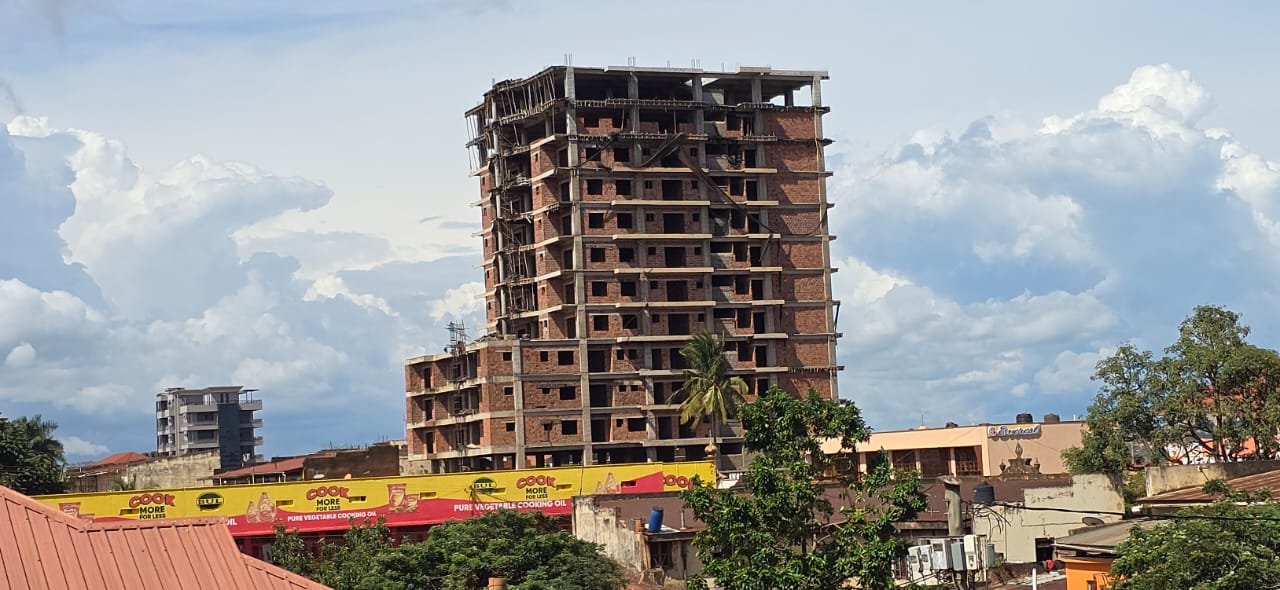

Authorities in Jinja City have announced a new directive requiring all new developments within the Central Business Area (CBA) to include underground parking before receiving building approval. The move, aimed at addressing the city’s growing parking crisis, has effectively halted approval of building plans that do not meet the new requirement.
Jinja City Physical Planner Charles Nampendho said the decision is part of a broader strategy to restore order and improve urban mobility in the rapidly expanding city. “We have stopped approving any new structures in the Central Business Area that do not provide for underground parking. The city is growing fast, but parking space has not grown with it,” Nampendho said.
The directive follows the approval of the Jinja City Physical Development Plan in 2023 by the National Physical Planning Board, positioning Jinja among the first cities in Uganda to operationalise a comprehensive physical planning framework.
Jinja City Mayor Peter Kasolo Okocha said structured planning is critical to sustaining the city’s growth trajectory. “Jinja is one of the fastest-growing cities in the country. Without proper planning, we risk creating long-term challenges that will be costly to fix,” Okocha said.
Over the past few years, Jinja has experienced a construction boom, with commercial buildings springing up across major streets. However, this rapid expansion has intensified congestion, particularly due to limited parking space in the city centre.
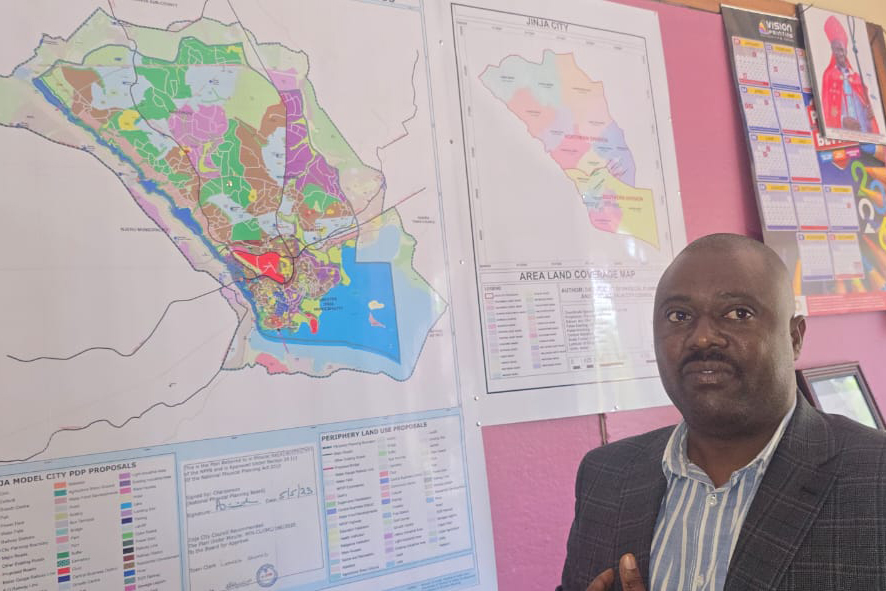
Nampendho emphasised that the underground parking requirement is a necessary intervention to manage the pressure and guide future development. “This is about planning for the future. Developers must align with the city’s vision of a modern, organised urban space,” he added.
The new physical development plan also proposes significant restructuring of transport and land use within the city.
Key among the proposals is the relocation of the main taxi park from the Central Business Area to Bugembe, alongside the establishment of an additional transport facility at Ambercourt to help decongest the city centre and improve traffic flow.
The zoning framework under the plan designates Walukuba as the city’s industrial hub, while areas such as Budondo are earmarked primarily for residential development.
City planners say the zoning system is intended to streamline land use and prevent the uncontrolled conversion of residential areas into commercial centres. In addition, city authorities have banned roadside vending within Jinja, a move that has sparked uncertainty among traders who rely on informal business spaces for their livelihoods. “Roadside vending is no longer permitted within the city. We are working on structured alternatives, but vendors must comply with the new regulations,” Nampendho said.
The ban has left many vendors questioning their next steps, as the city has yet to clearly outline relocation sites or support mechanisms.
As Jinja moves to implement its physical development plan, the balance between modernisation and livelihoods remains a key concern, particularly for small-scale traders navigating the transition.