




The Government of Uganda has issued a nationwide alert on the potential impacts of the March–May 2026 seasonal rains, urging citizens and authorities to implement preparedness measures to mitigate risks.
According to the March–April–May (MAM) 2026 Seasonal Rainfall Outlook released by the Ministry of Water and Environment, most parts of Uganda are expected to receive near-average rainfall. However, the Northwestern region, areas surrounding Lake Victoria, and parts of the Eastern region may experience near-average to above-average rainfall. The seasonal forecast also indicates that temperatures across the country are likely to be warmer than normal.
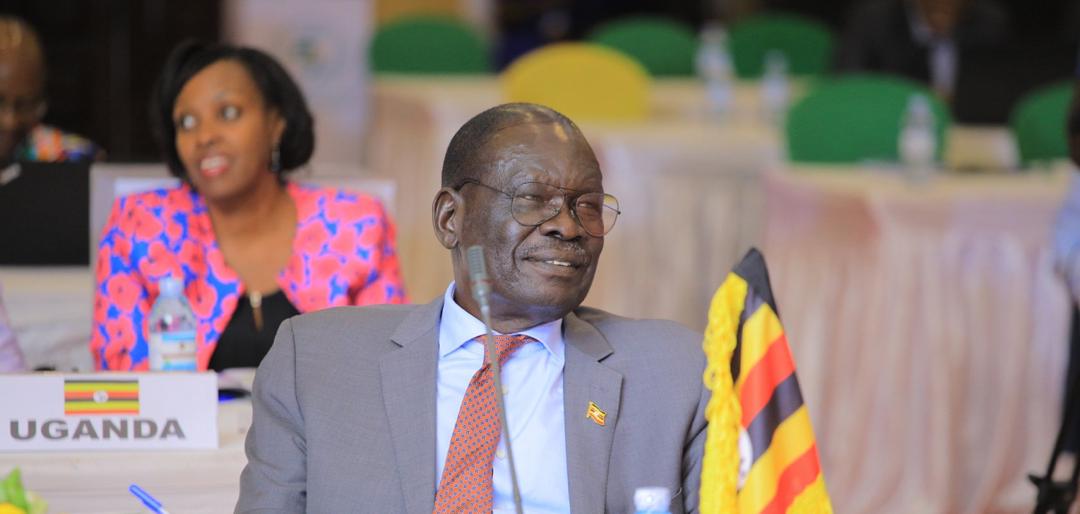
Eng. Hilary Onek, Minister of Relief, Disaster Preparedness and Refugees, emphasized the importance of vigilance. “We urge all stakeholders and communities to take note of early warning messages and strengthen their resilience. Preparedness is key to minimizing the impacts of floods, landslides, and other hazards during this rainy season,” he said.
Authorities have highlighted specific risks for low-lying and highland areas. Flooding and waterlogging are anticipated in districts such as Butaleja, Kisoro, Kasese, and Rakai, while landslides and soil erosion may affect the Elgon, Rwenzori, and Kigezi highlands. Urban centers, including Kampala, are warned to expect flash floods that could disrupt transport and business activities. Other hazards include hailstorms, strong winds, livestock diseases, crop pests, and increased risk of waterborne illnesses such as cholera, typhoid, and malaria.
The government has taken measures including the registration of households at high risk, procurement of land for resettlement in vulnerable areas, distribution of early warning information, and stockpiling of relief food. Eng. Onek called on local authorities to activate contingency plans and improve storm water drainage systems. “Communities on steep slopes should remain on high alert and, where possible, temporarily relocate to safer areas. Every precaution counts,” he said.
The Minister also encouraged citizens to use the rains productively. “For sub-regions expected to receive above-normal rainfall, we strongly advise maximizing water harvesting and increasing food production. This is both a coping mechanism and an opportunity to prepare for future dry periods,” he added.
The government continues to monitor rainfall patterns closely and urges communities to remain alert to evolving weather conditions to safeguard lives, livelihoods, and property.