



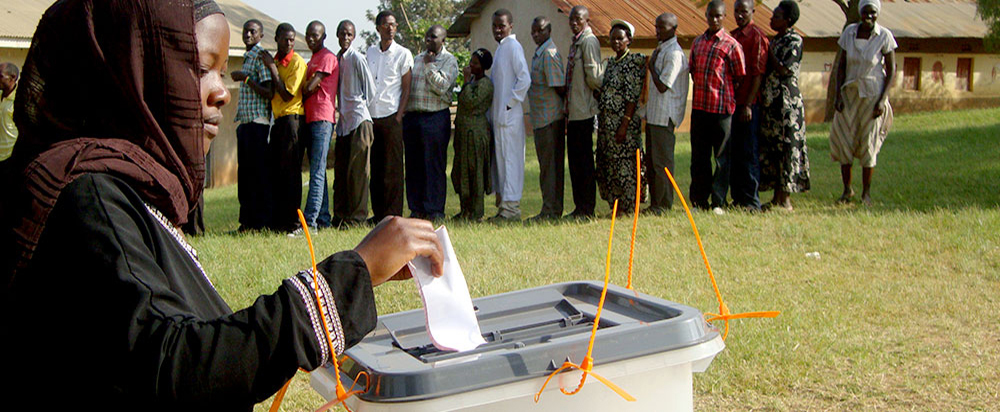

The Electoral Commission (EC) has scheduled residual elections for LCIII Chairpersons and councillors on March 12, 2026, in areas where the February 4 polls were not completed due to administrative and technical disruptions. In a letter dated February 20, 2026, addressed to Returning Officers and District Election Administrators, the Commission confirmed that elections in several sub-counties, town councils, and municipal divisions were left incomplete.
The Acting Secretary of the Commission, Richard Baabo Kamugisha, stated that the Commission had set Thursday, March 12, 2026, as the polling date for residual elections at the Sub-county, Town, and Municipal Division level, and requested district officials to coordinate with the Election Management Department to ensure that all affected areas are included. The development was confirmed by EC spokesperson Julius Mucunguzi, who said the Commission would carry out residual elections in areas where LCIII, Town Council, and Municipal Division Chairpersons and councillors were not elected for various reasons. He added that all District Returning Officers and staff had been instructed to ensure that no area is overlooked.
According to the Commission, the disruptions arose from mismatched candidate photographs on ballot materials, errors involving party symbols, malfunctioning Biometric Voter Verification Kits, tied election results, and incomplete or disputed electoral demarcations. Election observers note that incorrect candidate photos and symbol errors can significantly affect voting, particularly in rural areas where visual identification plays an important role. Technical failures of biometric verification machines have also raised concerns about equipment maintenance and operational readiness.
The Commission derives its mandate from Article 61 of the Constitution, which empowers it to organise, conduct, and supervise regular, free, and fair elections, while the Local Governments Act and the Electoral Commission Act authorise it to set fresh polling dates where elections are interrupted or not concluded. LCIII councils serve as a vital governance link between district administrations and lower local councils, and delays in constituting them may slow decision-making processes and budget implementation at community level. District election officials have been directed to intensify voter sensitisation and stakeholder engagement ahead of the March 12 exercise to ensure an inclusive and transparent process.