



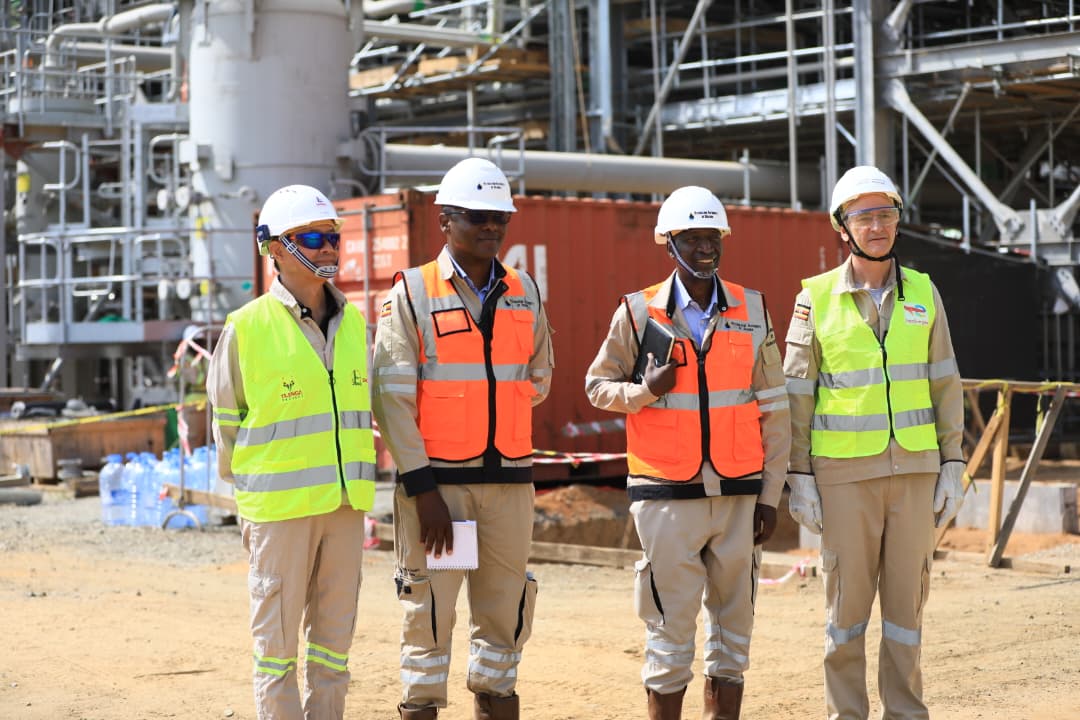

Nearly two decades after oil was first discovered in the Lake Albert region, the country is finally preparing to begin commercial oil production including the development of the Tilenga and Kingfisher fields and the construction of the East African Crude Oil Pipeline (EACOP) to Tanzania’s port.
These developments could inject new revenue into Uganda’s economy, create jobs, and finance infrastructure. Yet, as many nations before us have learned the hard way, oil is not always magic unless it is managed with wisdom and discipline.
In this respect, the experience of Norway should be neither ignored nor romanticized, but studied with intention.
Norway discovered significant oil reserves in the North Sea in the late 1960s, roughly the same period that the UK also found oil nearby. Today, Norwegians enjoy one of the world’s largest sovereign wealth funds, with savings per citizen that dwarf most of Europe, while the UK faces economic pressures, public debt, and underfunded services. This dramatic contrast is not primarily due to geology, but policy.
Where the UK spent much of its windfall on current consumption, Norway chose to save and invest for the long term. It created strong institutions, legal frameworks, and a sovereign wealth fund to ensure oil revenues benefited not just this generation, but future ones as well.
For Uganda, this lesson could not be more pertinent. With estimated crude reserves of roughly 6.5 billion barrels of which about 1.4 billion are recoverable the size of Uganda’s prize is real, but finite.
Uganda’s oil journey has already taken longer than expected. Initial hopes of first oil in the late 2010s were delayed by infrastructure gaps, regulatory hurdles, and complex negotiations with partner companies and neighbouring states. Today, officials are again targeting commercial production in 2026.
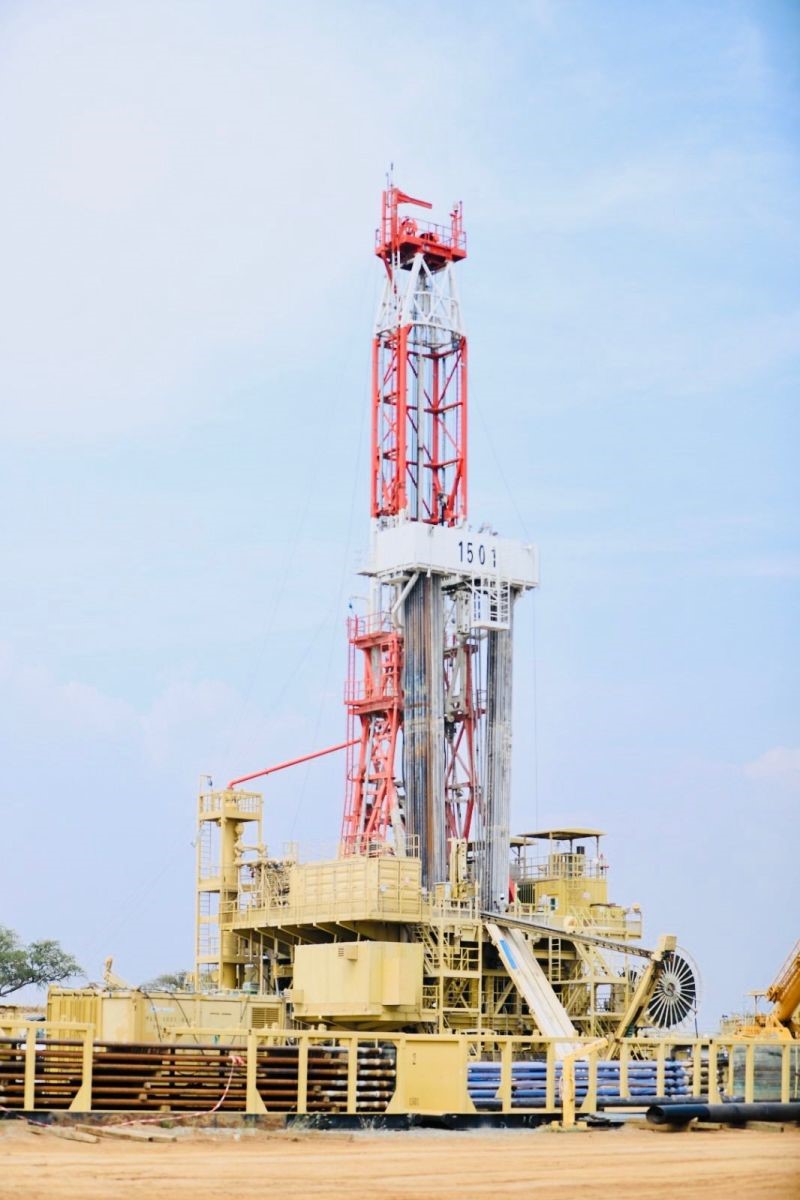
These setbacks illustrate a truth that leaders in Kampala must embrace: oil projects are long-term by nature. They require patient planning, robust governance, and a clear commitment to national goals beyond short political cycles.
Norway’s success came from institutional discipline. The Norwegian model placed strict rules on how oil money could be used, requiring savings of excess revenue and limiting political interference in investment decisions.
Uganda has already moved in this direction by establishing a petroleum fund and engaging Norwegian experts to advise on revenue management. But having a fund on paper is not the same as using it with restraint and wisdom.
A common pitfall for oil-producing countries is dependence. When oil becomes a national lifeline, other sectors agriculture, manufacturing, technology, tourism can atrophy. Uganda cannot afford this. Experts argue that oil revenue should support broad-based economic growth, not replace it.
Norway avoided this “resource curse” because, even with vast oil revenues, it continued investing in education, technology, renewable energy, fisheries, and maritime industries. Oil was a boost, not a crutch.
Uganda must do the same. Oil should be a catalyst that accelerates progress in other sectors not the only engine of growth.
Uganda’s oil development has brought real concerns around displacement, environmental impact, and community rights, especially around the pipeline route and Lake Albert’s ecosystem.
Norway’s experience shows that long-term national success is tied to social license and environmental stewardship. Ignore these at your peril. Transparent engagement with affected communities, fair compensation, and robust environmental safeguards are not optional they are essential to sustainable development.
As Uganda prepares to become an oil-producing nation, its leaders and citizens face a choice that will define the country for decades. Will oil become a blessing that funds schools, hospitals, roads, and industries? Or will it become a distraction that deepens inequality and environmental harm?
The lesson from Norway is clear: resources are an opportunity, not an automatic path to prosperity. What matters is how they are managed with discipline, foresight, and a commitment to the common good. If Uganda can adopt this mindset, it won’t just produce oil it could transform its future.