



By using this site, you agree to the Privacy Policy and Terms of Use.
Accept
The Nile Wires
Ad imageAd image
  • News
    • Regional
    • International
    • National
  • Politics
  • Business
  • Opinion
  • Defence & Security
  • Tourism
  • Technology
  • Sports
  • +MORE
    • Education
    • Lifestyle
    • Health
    • Crime
Reading: When the Rains Don’t Stop: What Mozambique’s Floods Mean for Our Children.
Search
The Nile WiresThe Nile Wires
Font ResizerAa
Search
  • News
    • Regional
    • International
    • National
  • Politics
  • Business
  • Opinion
  • Defence & Security
  • Tourism
  • Technology
  • Sports
  • +MORE
    • Education
    • Lifestyle
    • Health
    • Crime
Have an existing account? Sign In
Follow US
© The Nile Wires. All Rights Reserved.
The Nile Wires > News > International > When the Rains Don’t Stop: What Mozambique’s Floods Mean for Our Children.
HealthInternationalOpinionPoliticsTravel

When the Rains Don’t Stop: What Mozambique’s Floods Mean for Our Children.

Ronald Kasoma
Last updated: January 28, 2026 8:02 am
By
Ronald Kasoma
3 Min Read
Share
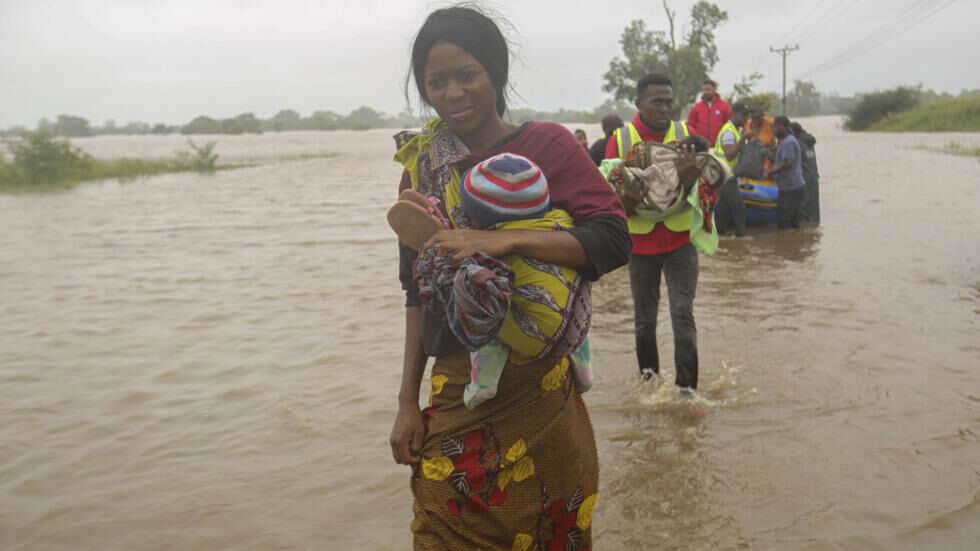
Some of the flood affected people re-locating to a safer place. Floods have hit Mozambique affecting the day today lives of citizens especially Women and Children.
SHARE

By Wandabwa Franco.

I still remember the flooding season in Maputo. Not puddles; entire neighbourhoods disappearing under water; women wading through waist-deep floods, carrying babies; children’s schools becoming unreachable islands.

Living there taught me that flooding is never just about water. Within days of major floods, health centres are filled with cholera cases, malaria spikes, and respiratory infections spread in crowded shelters. Children under five bear the heaviest burden; their immune systems cannot handle contaminated water, rapid dehydration, and the disease explosion that follows.

I will never forget watching a young mother in a displacement centre comforting her feverish toddler while keeping two other children close, protecting their belongings, and figuring out how to get clean water for the baby’s formula.

When floods hit, women become everything: emergency responders, healthcare providers, and psychologists. Yet the health posts they need are flooded, the gardens where they grew vegetables have been destroyed, and the markets are gone. The impact does not end when the waters recede. Damaged facilities disrupt immunization schedules. Displaced families miss growth monitoring. Flooded schools eliminate feeding programs. Every flood season erases years of progress in reducing child mortality, improving nutrition, and expanding healthcare coverage.

I have seen what works: prepositioning supplies, training community health workers, mobile clinics, and child-friendly spaces. But the most important thing is showing up and staying, not just during dramatic rescues but in the long months afterward when families rebuild with almost nothing.

Working across Africa, Mozambique taught me this: climate change is not some future problem. It is here, it is now, and it is killing children. What is happening in Mozambique is happening across the continent. If we want to progress on child health in Africa, we cannot ignore the climate crisis. They are the same crisis.

Right now, somewhere in Mozambique, a mother is looking at the darkening sky, calculating what she will need to keep her children safe when the rains come. She should not have to make that calculation alone. How can we better support mothers and children facing these recurring climate crises?


The Author is the Resident Country Director, Ethopia,  International Republican Institute.

TAGGED:african unionInternational Republican InstituteSouthern African Development Cooperation
Share This Article
Facebook Whatsapp Whatsapp

Links

  • News
    • Regional
    • International
    • National
  • Politics
  • Business
  • Opinion
  • Defence & Security
  • Tourism
  • Technology
  • Sports
  • +MORE
    • Education
    • Lifestyle
    • Health
    • Crime

You Might Also Like

Elections 2026FeaturedNationalPolitics

Deputy Tayebwa Urges NRM MPs to Back Anita Among for Speaker of 12th Parliament

By
Phillipa Among
6 Min Read
FeaturedPolitics

MPs Question Shs950 Million Expenditure on Hoima Oil Refinery Proximity Area Master Plan

By
Alen Nafuna
4 Min Read
EducationEntertainmentFeaturedNationalNewsSportsTravel

Gen Kainerugaba, NBA Africa CEO Discuss Basketball Development in Uganda.

By
Wilson Kakuru
3 Min Read
The Nile Wires
Our dedicated team of journalists brings you accurate and reliable news coverage, keeping you updated on the stories that matter.

Categories

  • News
    • Regional
    • International
    • National
  • Politics
  • Business
  • Opinion
  • Defence & Security
  • Tourism
  • Technology
  • Sports
  • +MORE
    • Education
    • Lifestyle
    • Health
    • Crime

Quick Links

  • Advertise with us
  • Newsletters
  • Complaint
  • Deal

Copyright 2025. Nile Wires. All Rights Reserved.

Copyright 2026. Nile Wires. All Rights Reserved
Welcome Back!

Sign in to your account

Username or Email Address
Password

Lost your password?