




By Wandabwa Franco
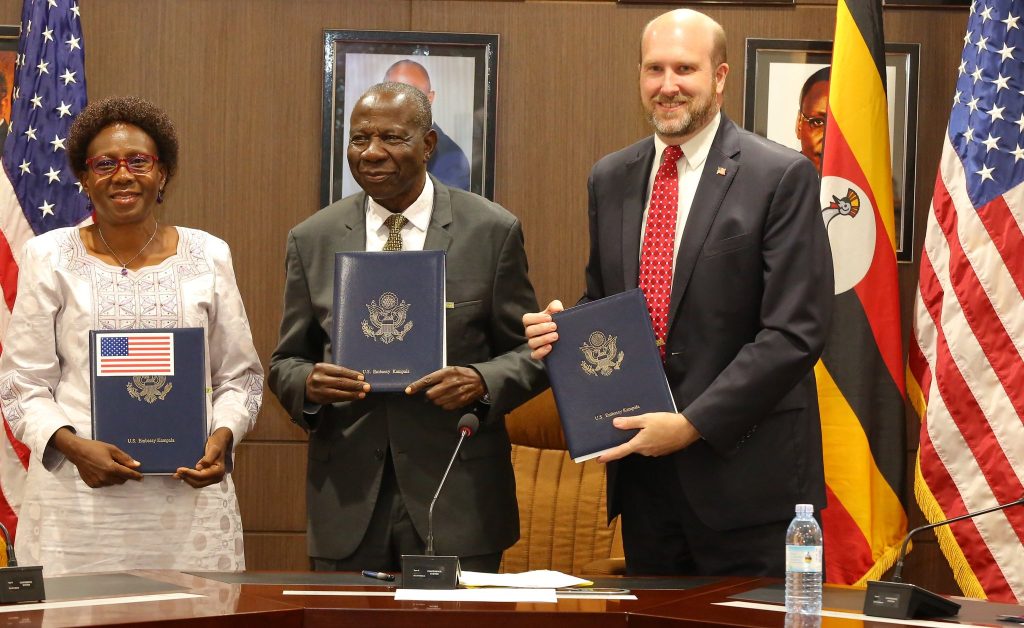
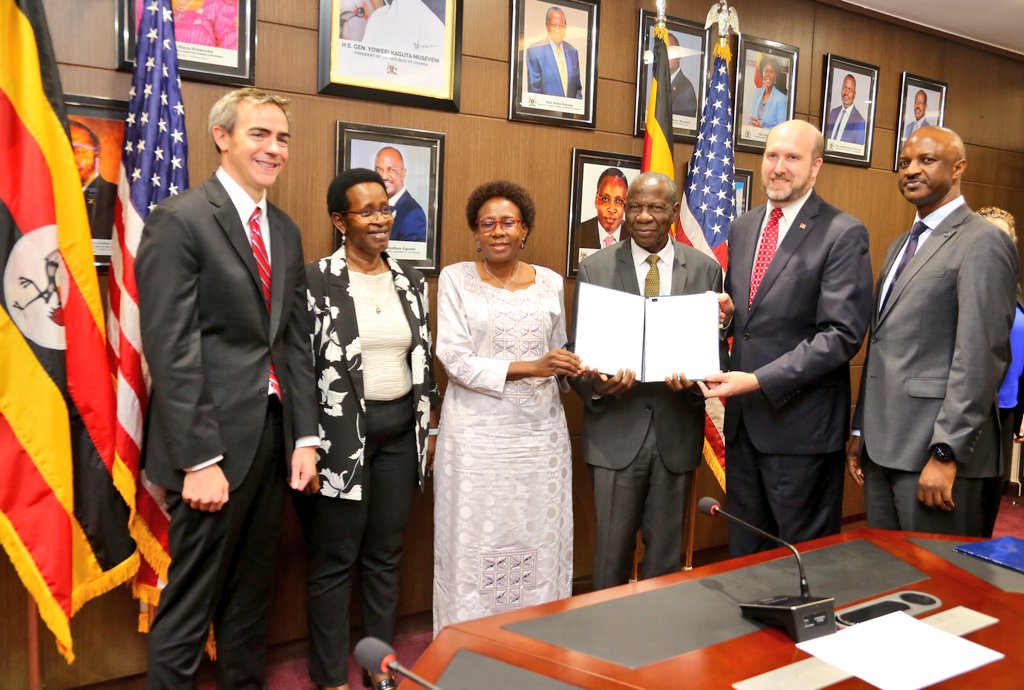
As I take time off to close out 2025, I wanted to share my third lesson from the recent U.S. Department of State Health agreements with the Ministry of Health, Kenya ($2.5B), Ministry of Health – Uganda ($2.3B), and over a dozen African countries: they’re not just about money; they’re about fundamentally restructuring the aid relationship. For the first time, African governments face binding, time-bound requirements to increase domestic health financing. Sound familiar? It should. This is precisely what we promised ourselves 24 years ago with the Abuja Declaration.
In 2001, African leaders pledged 15% of national budgets to health. Today, only Rwanda, Botswana, and Cabo Verde meet this target. Kenya allocates 11%, and Uganda 7-8%. Over 30 AU states remain below 10%. The Abuja Declaration has limped because it was voluntary, with no consequences or enforcement.
Enter the “America First Global Health Strategy.” These agreements mandate what Abuja merely requested: Kenya must add $850M over five years; Uganda $500M+. Countries must absorb health workers, take over procurement, and build “self-reliant” systems with clear timelines. External accountability might finally build the political will that has eluded us for decades. If sustained, Kenya’s commitments would close the gap to Abuja’s 15% target.
So, what is the problem?
Uganda’s opposition asked the right question: “Why no parliamentary scrutiny? This imposes huge fiscal obligations, forcing borrowing or tax increases.” Most African countries face debt distress, inflation, and competing priorities. The data asymmetry is stark: share disease data for 25 years (Kenya negotiated to 7) for only 5 years of funding. Uganda loses $2.3B annually to corruption, the exact amount of the US agreement. Bigger budgets without addressing systemic leakage mean bigger theft.
Voluntary Failure vs. Coerced Compliance
The Abuja Declaration failed because it was voluntary. But can externally imposed mandatory self-reliance truly be called “self-reliance”? When external pressure ends after 5 years, will the political will to sustain increased health spending evaporate? Without genuine domestic ownership built through parliamentary debate, civil society advocacy, and public demand, these reforms risk reversal.
What next?
We need robust parliamentary oversight, coordination through the African Union/Africa CDC, anti-corruption measures before budget scale-ups, and reciprocity on data sharing.
The question isn’t whether to accept these agreements; most countries will sign because they need the money. The question is whether we will use this moment to build genuine ownership of health financing or shift from voluntary noncompliance with Abuja to coerced compliance with America First?
What’s your view? Happy Holidays
Wandabwa Franco is the Resident Country Director, Ethiopia, International Republican Institute