



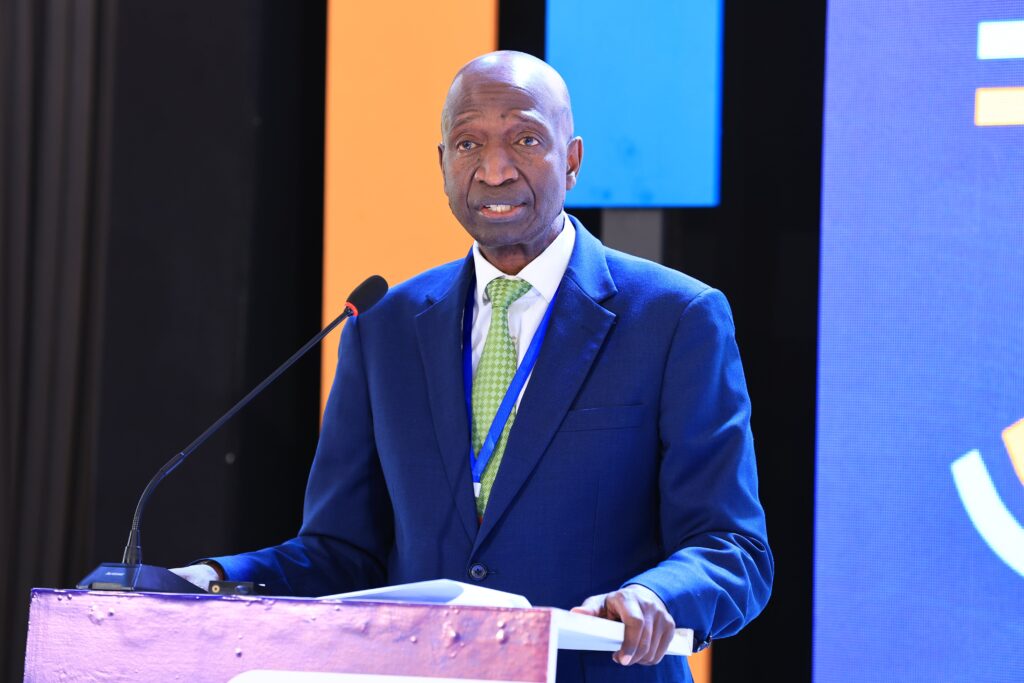

As the Petroleum Authority of Uganda (PAU) begins the search for a new Executive Director to succeed Mr. Ernest Rubondo, whose tenure is ending in August 2026, the nation reflects on a decade of unprecedented regulatory and economic growth.
Rubondo, one of the three original ‘oil architects’ sent by the President in 1986 to master the craft of petroleum geology (the others were Reuben Kashambuzi and Fred Kabagambe-Kaliisa), is the final member of that founding trinity to exit the stage.
His tenure has been defined by moving Uganda from a discovery phase to the very threshold of “First Oil” in late 2026, building the PAU from a skeletal office into a global regulatory powerhouse.
Under Rubondo’s leadership, the PAU has overseen the transition of the gas and oil sector from potential to physical reality. His achievements are anchored in four pillars of economic impact:
Unlocking Mega-Investments
Since the Final Investment Decision (FID) in 2022, Rubondo has overseen the regulation of projects valued at over US$15 billion (60 trillion). These include:
- Tilenga and Kingfisher: These are upstream projects currently at 60% and 74% completion, respectively.
- EACOP: The East African Crude Oil Pipeline, which is the main crude oil export route, is 75% complete, with 1,000 km of pipes already welded.
- The Uganda Refinery: He was key in facilitating the signing of the Implementation Agreement in March 2025 to meet 60% of Uganda’s fuel needs.
Driving National Content and Wealth Retention
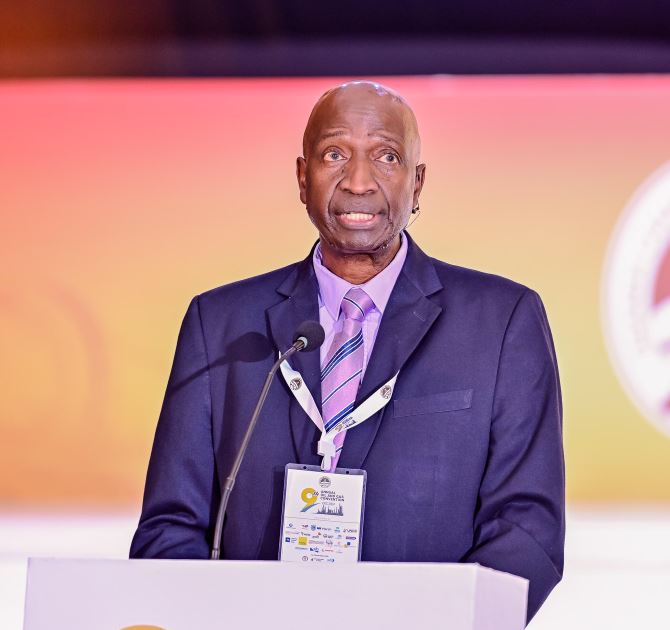
Perhaps Rubondo’s greatest legacy is ensuring Ugandans are central players in the country’s oil and gas sector. Through platforms like the National Supplier Database (NSD) and the Talent Register, US$2.2 billion in contracts were awarded directly to Ugandan companies out of US$7 billion approved.
- Job Creation: The sector now directly employs 20,000 people, with an additional 180,000 indirect jobs created, partly due to Rubondo’s efforts.
- Skills Transfer: Over 14,000 Ugandans have received international certifications in specialised trades such as welding and heavy goods vehicle driving.
Strategic Resource Management
Under his watch, Uganda’s resource base has matured through superior data quality managed by the National Petroleum Data Repository, which now controls 60 terabytes of data about the sector. Thanks to Rubondo’s strategic leadership, Uganda’s recoverable resources rose from 1.4 billion to 1.65 billion barrels.
In regard to regulation and policy, during his tenure, PAU developed 48 operational manuals, ensuring that international investors have a transparent and stable environment to operate in.
Legacy of Sustainable Progress
Rubondo has consistently championed a “Low Carbon” oil sector, ensuring Uganda’s projects are among the least carbon-intensive in the world. From modern housing for 475 Project Affected Persons (PAPs) to the development of state-of-the-art waste treatment facilities, his leadership ensured that economic growth did not come at the cost of social or environmental integrity.
When Rubondo steps down in August 2026, he will leave a sector that is de-risked and ready for production. He was more than a regulator; he was a founding father of the industry.
His departure marks the end of a 40-year journey that began with three young men in 1986 and will conclude with the first barrel of Ugandan oil reaching the international market.