




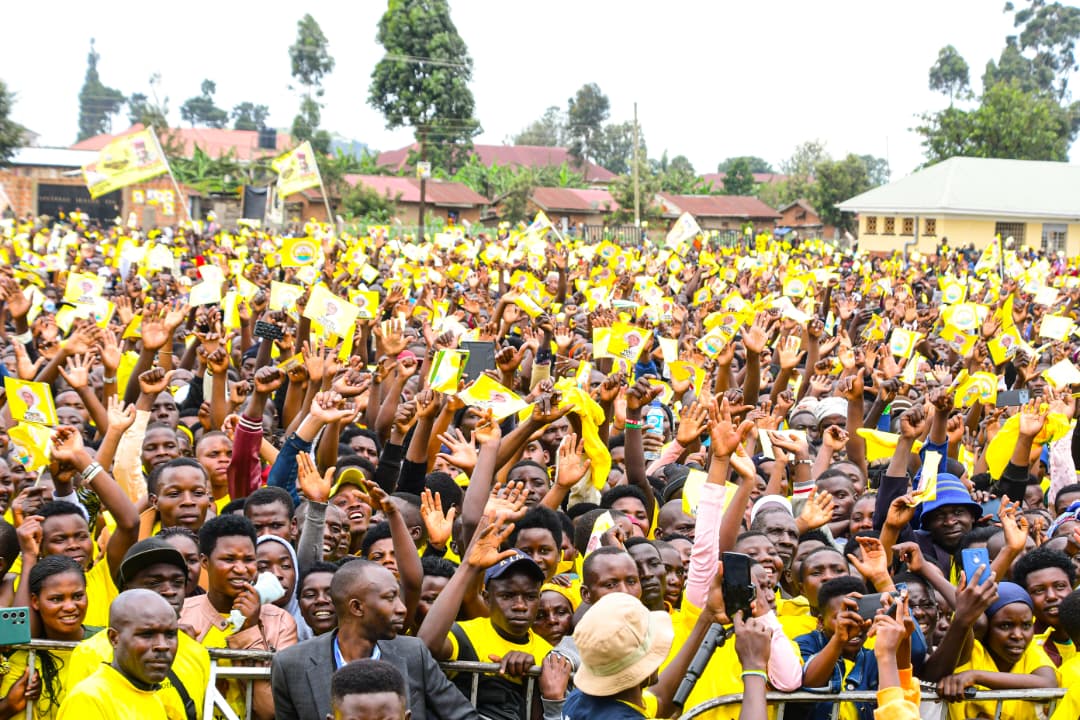
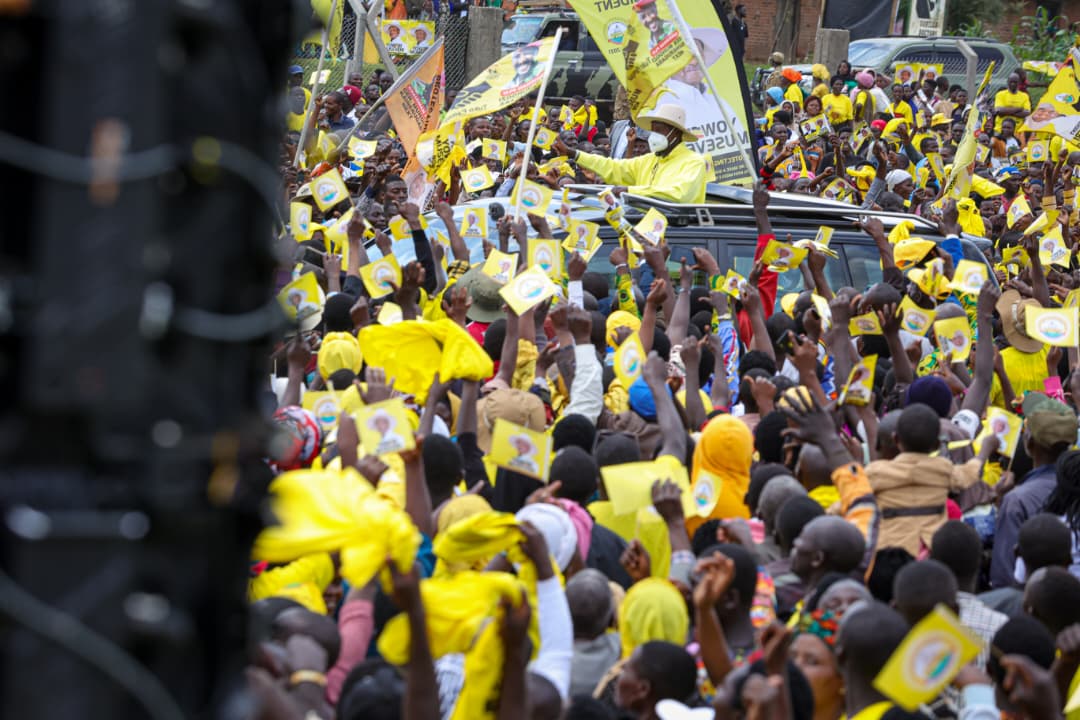
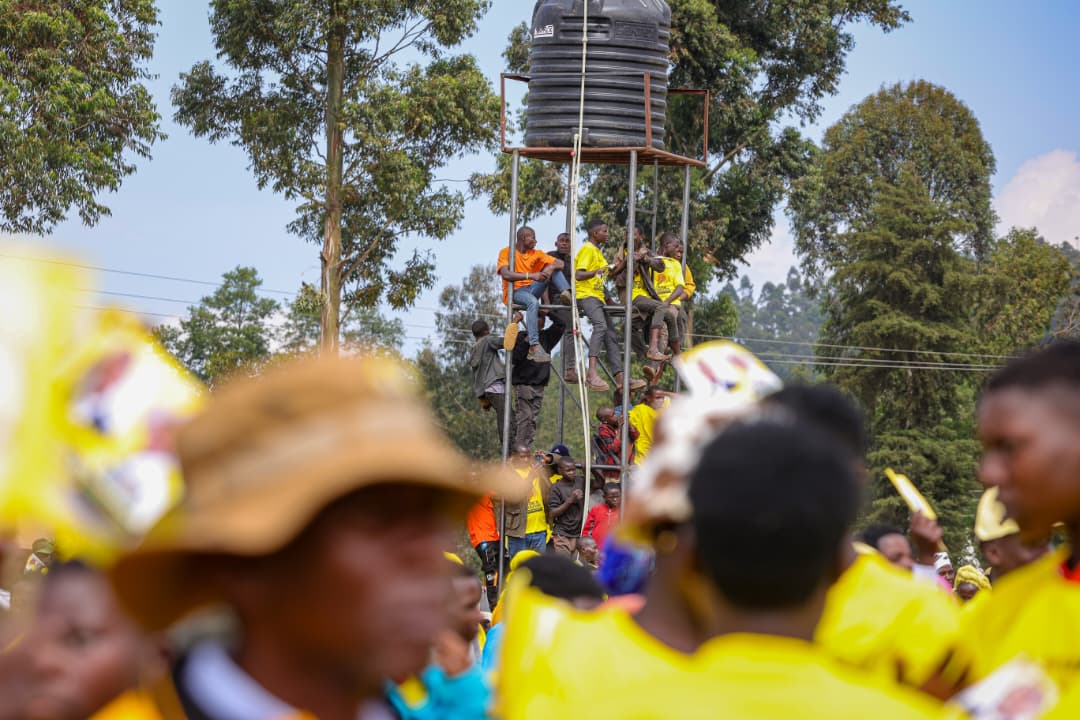
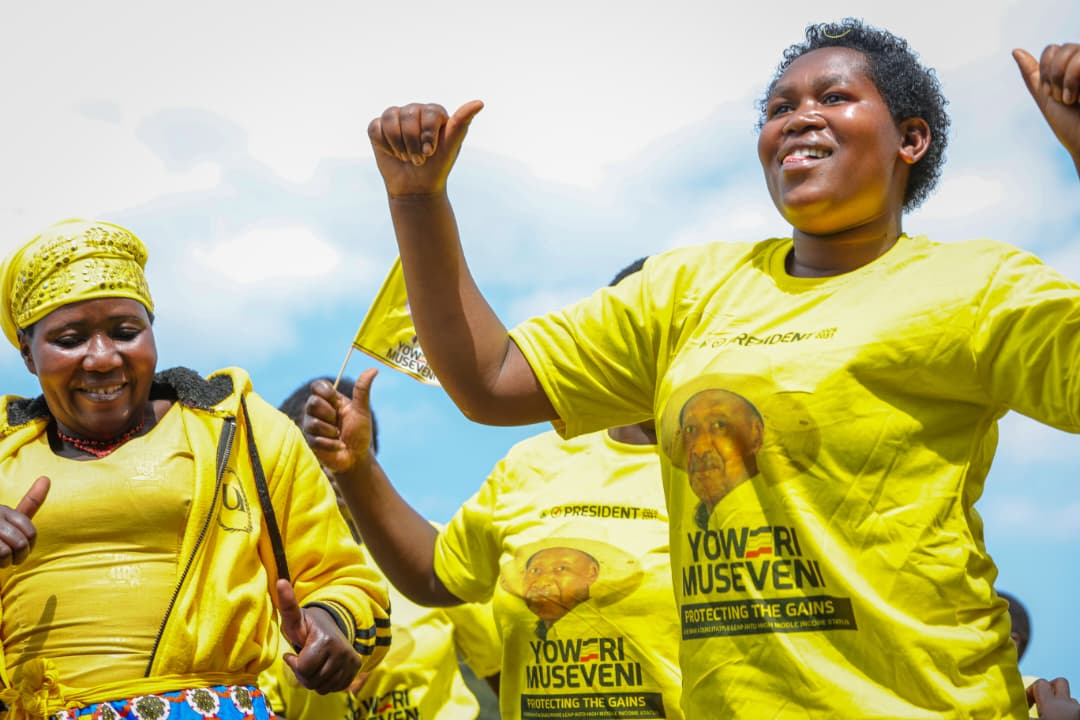
President Yoweri Museveni, the NRM candidate in the ongoing polls slated for 2026 has officially kicked off his campaigns in Western region. A rally that has attracted thousands of his supporters is currently underway in Kisoro, as several other supporters converge at Kabirizi play grounds in Rubanda for the second rally.
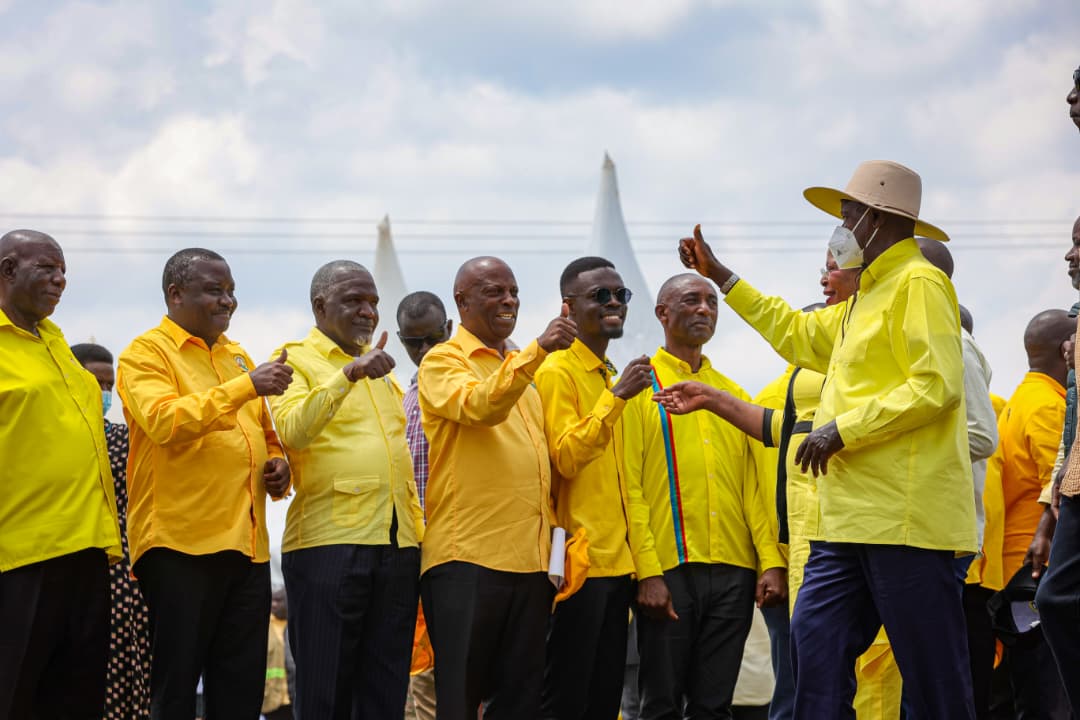
The President has been escorted by Speaker of Parliament Rt. Hon. Anita Among who is also the Second National Vice Chairperson (Female), Her Deputy Hon. Thomas Tayebwa and several NRM MPs and senior members from western region and the party respectively, are in attendance.
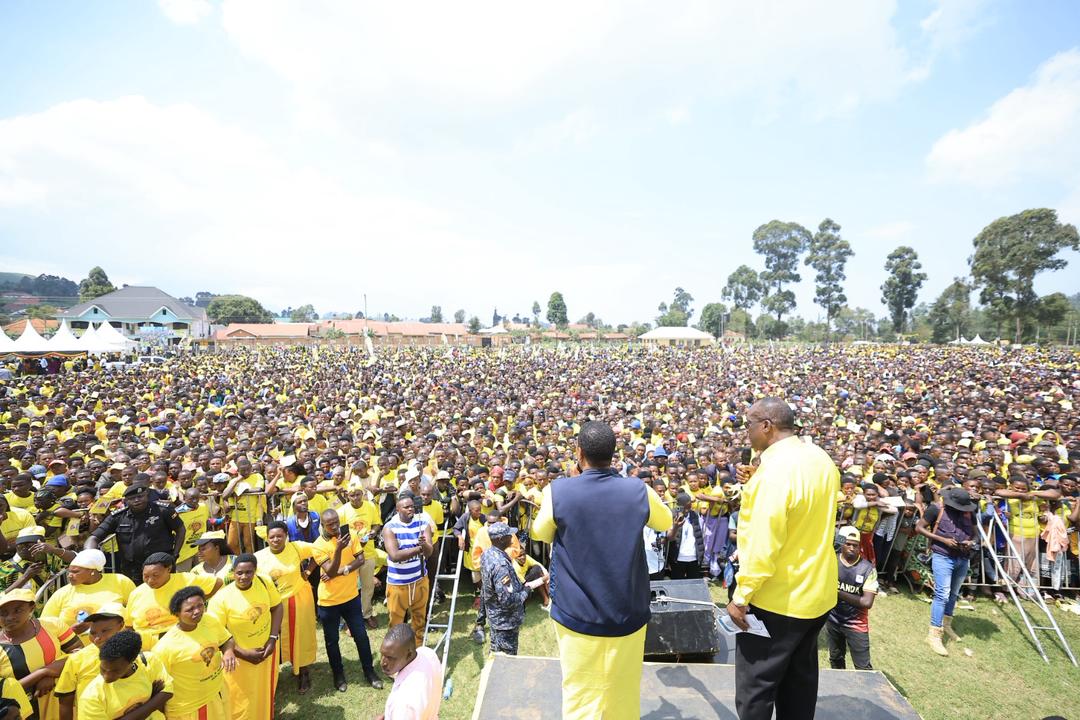
As President Yoweri Kaguta Museveni continues his campaign engagements, detailed government factsheets on Kisoro and neighbouring Rubanda have revealed extensive demographic, political and socio-economic data, outlining the scale of state-funded interventions across the two Kigezi sub-region districts.
Kisoro District Snapshot
Kisoro District comprises 24 Sub-Counties and Town Councils, 71 parishes and 448 villages. According to the 2024 National Population Census, the district has a population of 433,662 people.
During the 2021 Presidential elections, Kisoro registered 158,552 voters, of whom 112,014 cast their ballots, representing a turnout of 70.7 percent. President Museveni secured 98,694 votes, translating into 90.5 percent of the total votes cast, while the National Unity Platform candidate received 7,241 votes (6.6 percent). Patrick Amuriat of FDC garnered 701 votes (0.64 percent) and other candidates shared 2,396 votes.
By 2025, the number of registered voters in the district has increased to 181,174, with polling stations rising from 320 in 2021 to 474.
Parish Development Model (PDM)
Kisoro District, with its 71 parishes, has cumulatively received Shs 17.84 billion under the Parish Development Model. An amount of Shs 17.86 billion, representing 100.11 percent, has been disbursed to 18,307 beneficiary households.
Within Kisoro Municipal Council, which has seven parishes, Shs 2.15 billion has been received, with Shs 2.15 billion disbursed to 2,151 households, translating into a disbursement rate of 100.05 percent.
Out of the total 80,206 households in Kisoro, 18,307 households, equivalent to 22.8 percent, have benefited from PDM funds. The remaining 61,899 households, or 77.2 percent, are yet to benefit, including those already in the money economy.
Emyooga Programme
Kisoro District has 78 Emyooga SACCOs with a total membership of 10,705. Government has so far disbursed Shs 3.84 billion to support these community-based financial groups.
Education Sector
Kisoro District has 136 government primary schools and 138 private primary schools, alongside 14 government secondary schools and 28 private secondary schools. The government institutions offer Universal Primary Education and Universal Secondary Education as well as Universal Post Ordinary Level Education and Training.
Out of 71 parishes, 45 host at least one government primary school while 26 parishes still lack such facilities, despite the district having a total of 140 government primary schools.
The district also has 15 government secondary schools and 43 private secondary schools, with government institutions enrolling 5,304 learners. However, 10 out of 24 sub-counties still lack a government secondary school.
Health Sector
Of the 24 sub-counties and town councils in Kisoro, only one hosts a general hospital, three have Health Centre IV facilities, and 18 have Health Centre IIIs. Five sub-counties currently lack any health facility of HCIII level and above.
Planned health upgrades include elevating Bunagana HCII to HCIII in Bunagana Town Council, Gitovu HCII to HCIII in Mupaka Town Council, and Gapfurizo HCII in Rukundo Town Council, among others.
Presidential Industrial Hubs
Kisoro falls under the Kigezi Sub-region skilling programme, with its Presidential Industrial Hub located in Kabale. The hub offers training in welding, carpentry, building construction, tailoring, hairdressing, bakery and confectionery, leather design and other vocational skills. So far, 929 learners have been skilled in the region, with 238 currently undergoing training.
Rubanda District
Rubanda District has 17 sub-counties and town councils, 70 parishes and 476 villages, with a population of 249,454 as per the 2024 census.
In the 2021 Presidential elections, Rubanda recorded 111,615 registered voters. Out of these, 79,056 voted, representing a turnout of 70.8 percent. President Museveni polled 67,263 votes (87.2 percent), while NUP received 5,732 votes (7.4 percent). FDC’s Patrick Amuriat secured 1,908 votes (2.47 percent) and other candidates obtained 2,264 votes.
By 2025, the number of registered voters stands at 121,296, with polling stations increasing from 136 to 222.
Parish Development Model
Rubanda has received Shs 21.19 billion under PDM, with Shs 20.48 billion disbursed, representing 96.66 percent to 20,733 beneficiary households. Out of 63,754 households, 32.5 percent have already accessed PDM funds, leaving 43,021 households yet to benefit.
Emyooga
The district has 32 Emyooga SACCOs with 20,963 members, supported by government disbursements totalling Shs 1.76 billion.
Education Sector
Rubanda has 110 government primary schools and 81 private primary schools, as well as nine government secondary schools and 29 private secondary schools. Of the 70 parishes, 45 have at least one government primary school while 25 parishes remain without one.
Government secondary schools currently enrol 5,381 students. However, 10 sub-counties still lack a government secondary school. The construction of two seed secondary schools is underway to reduce this gap to eight sub-counties.
Health Sector
Out of 17 sub-counties, two have HCIVs and six have HCIIIs, leaving nine sub-counties without a health facility of HCIII level or above. Several upgrades are planned including Muko HCIV, Kiyebe, Kaara, Ihunga, Kagarama, Mugyera and Kashasha health centres, alongside new HCIII construction in Bubarev, Kacere and Katojo Town Councils.
Rubanda District also operates a general hospital in Rubanda West Constituency and a HCIV in Rubanda East Constituency, each staffed with two doctors.
Water Sector Developments
Out of 476 rural villages, 257 have access to safe water, representing 54 percent coverage, leaving 219 villages without safe water sources. Key achievements include the completion of 12 spring protection projects, construction of Nyakasazi Gravity Flow Scheme and Burimbe Piped Water System, rehabilitation of existing water schemes and installation of rainwater harvesting systems in schools and religious institutions.
Several piped water systems now serve thousands of residents across Bubaare, Hamurwa, Rubanda Town Council, Muko and other areas, with ongoing construction and expansion projects aimed at increasing rural water access and sustainability.
Energy Sector
Rubanda District is now connected to the national electricity grid. Government plans in the next term include extending power to 10 sub-counties and town councils, including Hamurwa, Bubare, Ikumba, Bufundi, Bubaare, Butare-Katojo, Habuhutu-Mugyera, Kacerere and Ruhija.