




Every time Uganda inches closer to a major economic breakthrough, something curious happens a protest flares up, a headline explodes, and suddenly, the West rediscovers its passion for “democracy.”
President Yoweri Museveni’s recent warning that foreign powers are using opposition figures to destabilize Uganda was met, as usual, with cynicism. Yet one wonders — why do political tremors seem to strike right when Uganda is about to cash in on its oil and gold? Maybe paranoia isn’t always misplaced. Sometimes it’s just experience wearing spectacles.
Two Kenyan activists were recently nabbed and accused of working hand in glove with opposition leader Hon. Robert Kyagulanyi, better known as Bobi Wine. The President didn’t mince words: these weren’t tourists they were “experts in riots.” Their sudden appearance at a time when Uganda is on the verge of its first oil production and new gold exports feels less like coincidence and more like choreography.
This isn’t Uganda’s first dance with external puppeteers. For years, State House has waved the red flag over Western interests lurking behind slogans of “freedom” and “human rights.” The truth is as old as Africa’s minerals — where there’s oil and gold, there’s always someone preaching democracy with one hand and signing contracts with the other.
Remember 2018? Bobi Wine’s global debut was met with Hollywood-like fanfare. Western media rushed to crown him “the voice of Uganda’s youth.” NGOs, activists, and think tanks joined the choir, declaring him the symbol of a new Africa. Noble, perhaps but one must ask: since when did Europe and America lose sleep over Africa’s elections without a pipeline, a mine, or a military base nearby?
Across the continent, the same script repeats. Libya’s “liberation” left chaos and oil deals. Sudan’s “democratic transition” birthed donors, consultants, and a convenient opening for resource contracts. The lesson is simple: Africa’s revolutions are often designed abroad but executed locally.
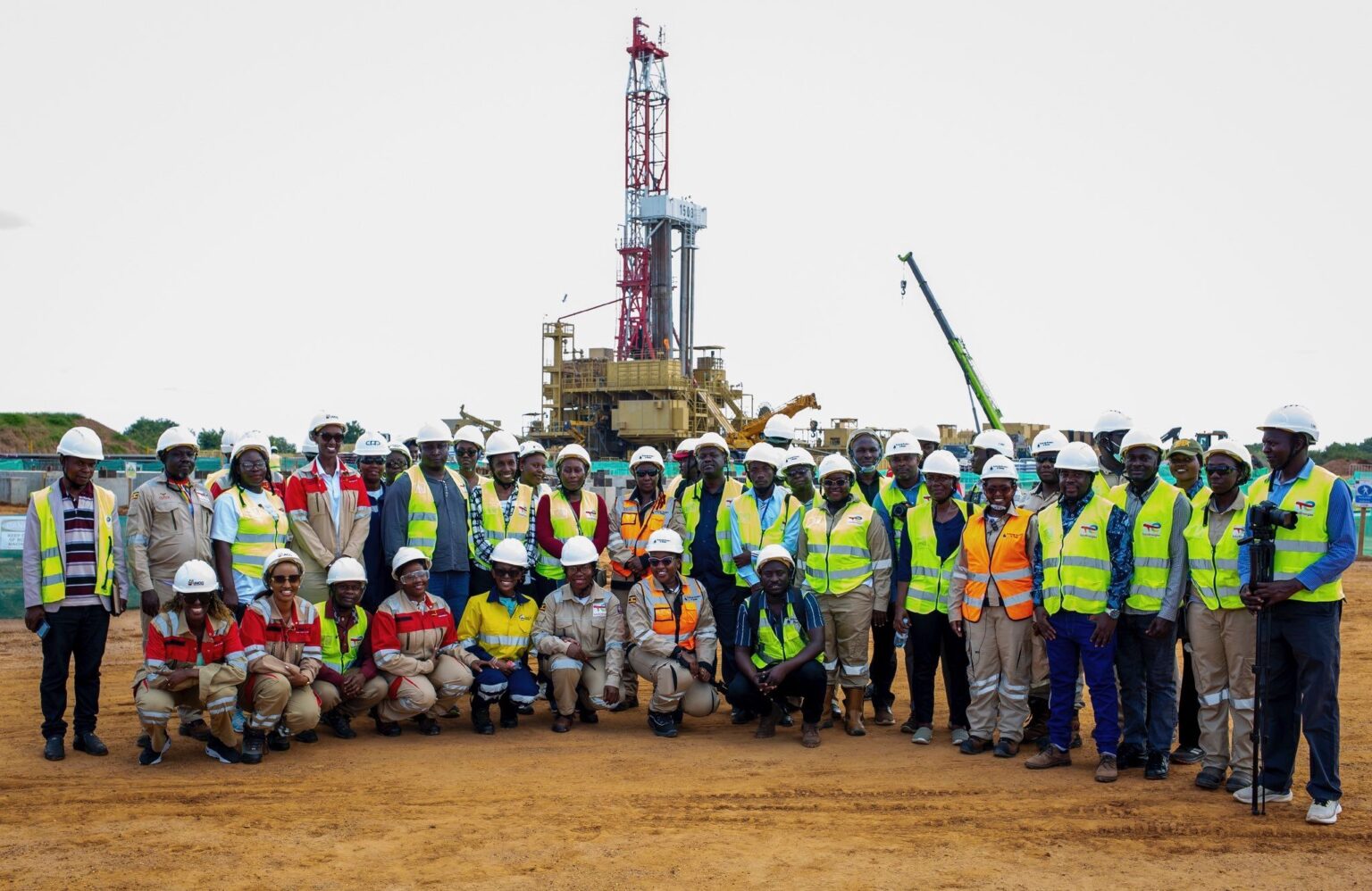
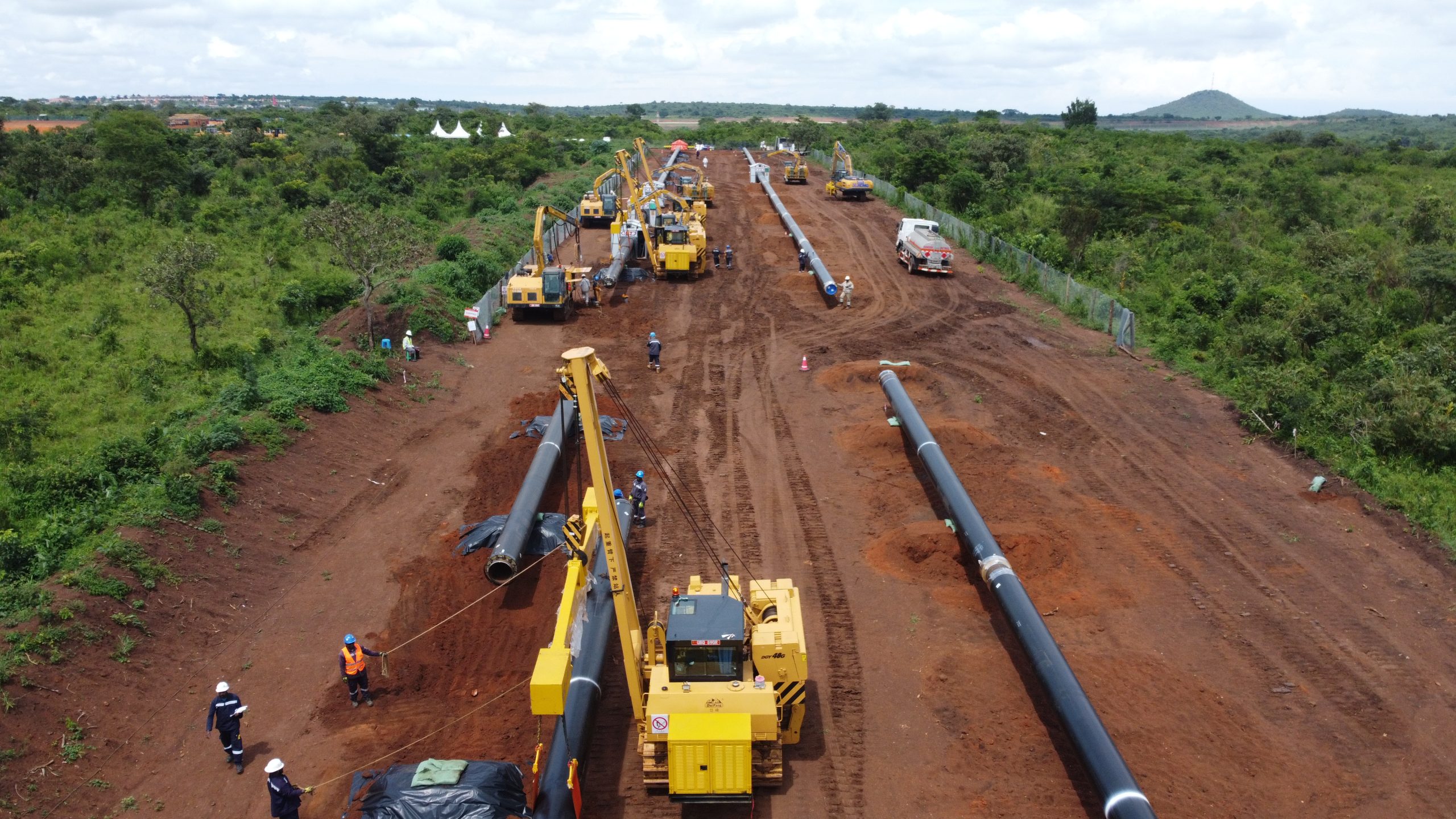
Uganda’s situation today is no different. With 6.5 billion barrels of oil in the Albertine Graben and gold glinting in Busia and Karamoja, Uganda has become a magnet for those who prefer influence to independence. President Museveni’s caution that “outsiders are worried about Uganda’s progress” is not mere politics it’s a veteran’s diagnosis of a continental pattern.
Of course, critics say Museveni is tightening space. Maybe so. But which leader of a resource-rich African nation hasn’t learned the hard way that chaos is the cheapest route to control? When foreign funding flows to opposition movements during moments of national growth, it’s not always charity sometimes it’s a down payment.
The uncomfortable truth is this: weak institutions and divided politics make perfect entry points for foreign manipulation. That’s why stability not noise is Uganda’s best defense. The government’s insistence on peace and order isn’t an obsession with power; it’s the firewall protecting the country from becoming another cautionary tale.
Uganda’s oil and gold should lift citizens, not bankroll imported ideologies. The real patriots are those who build refineries, not those who burn tires. Development is the new resistance, and sovereignty the prize.
Let others tweet revolutions. Uganda will mine, refine, and rise on its own terms.