




By Franco Wandabwa
My recent trip to Port Sudan, the closest we could get to Darfur, has been eye-opening, to say the least. The country’s conflict has escalated, especially in Darfur, where the (RSF), a paramilitary group led by Mohamed Hamdan Dagalo, recently took control of the entire western region of Darfur after capturing the besieged city of El Fasher on October 26, 2025.
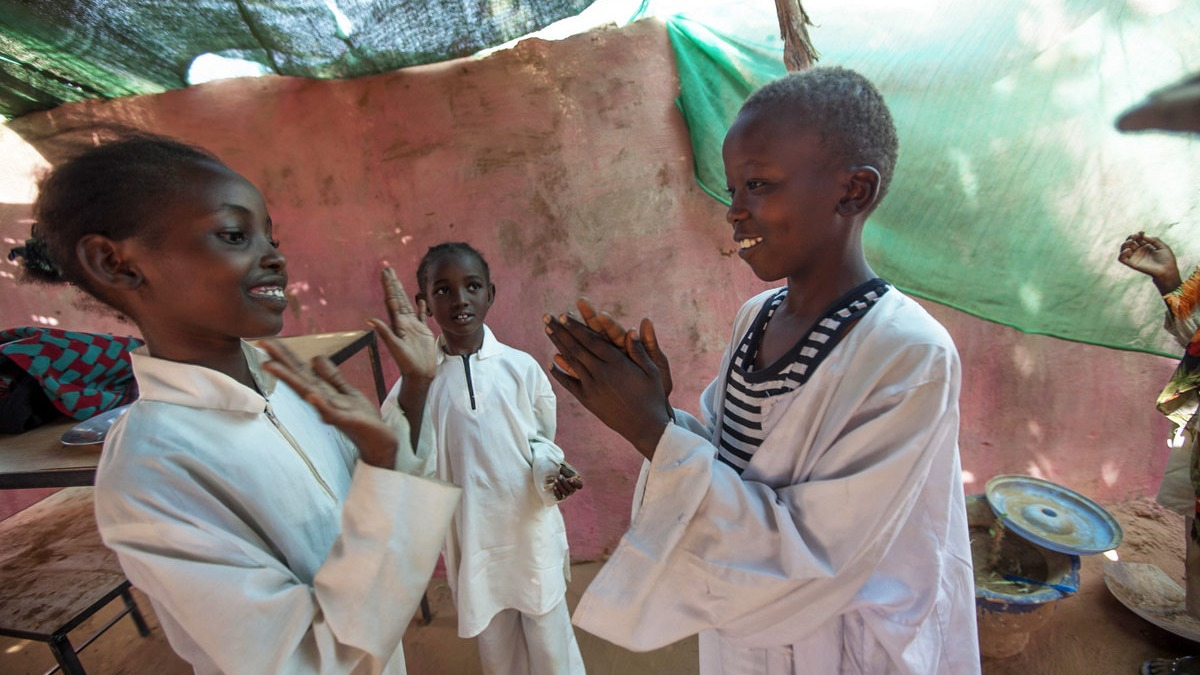
During my trip, it was evident that women and children have borne the heaviest burden of Sudan’s conflict. Notably, children in Darfur face a humanitarian catastrophe that demands urgent global attention. The ongoing violence has created a generation of children whose childhoods have been stolen by war, displacement, and deprivation.
Over the past five years, Darfur’s children have endured the worst of the conflict. Thousands have been separated from families during rush evacuations, leaving them vulnerable to exploitation, trafficking, and recruitment by armed groups. Those remaining with families face daily threats from random violence, with reports of children killed or injured in attacks on civilian areas becoming tragically common.
During my field visits, I spoke with an IDP from Tawila, a town 50 kilometers from El Fasher in North Darfur, which has become one of the epicenters of a humanitarian crisis. He said the conflict’s impact goes far beyond immediate physical danger. Displacement has interrupted education for hundreds of thousands of children, with schools destroyed, occupied by armed forces, or simply inaccessible because of insecurity. He states that an entire generation risks growing up without basic literacy or numeracy skills, which could continue cycles of poverty and marginalization in Darfur.
Our observations of some of the IDPs in Port Sudan, reports from UN agencies, and other development organizations clearly show that malnutrition rates among children have become dangerously high as conflict disrupts food systems and blocks humanitarian access. Health facilities are in ruins, leaving children without access to essential vaccinations, treatment for preventable diseases, or trauma care for conflict-related injuries.
Perhaps the most devastating are the psychological wounds. Children who have witnessed violence, lost loved ones, or experienced displacement carry trauma that will influence their lives for decades. Without psychosocial support, which is almost nonexistent in current circumstances, these children face lifelong mental health struggles.
It’s vital that the international community, including the African Union, the United Nations , and UNICEF, prioritize children’s protection in Darfur. This involves securing humanitarian access, supporting child protection programs, pressuring parties to follow international humanitarian law, and investing in education and psychosocial services even during conflict.
Darfur’s children cannot wait for peace to start healing. Every day of inaction is another day of stolen childhoods, lost potential, and growing trauma. The world must act now before an entire generation is lost to this overlooked crisis.
Franco Wandabwa is the International Republican Institute Resident Country Director in Ethiopia.