



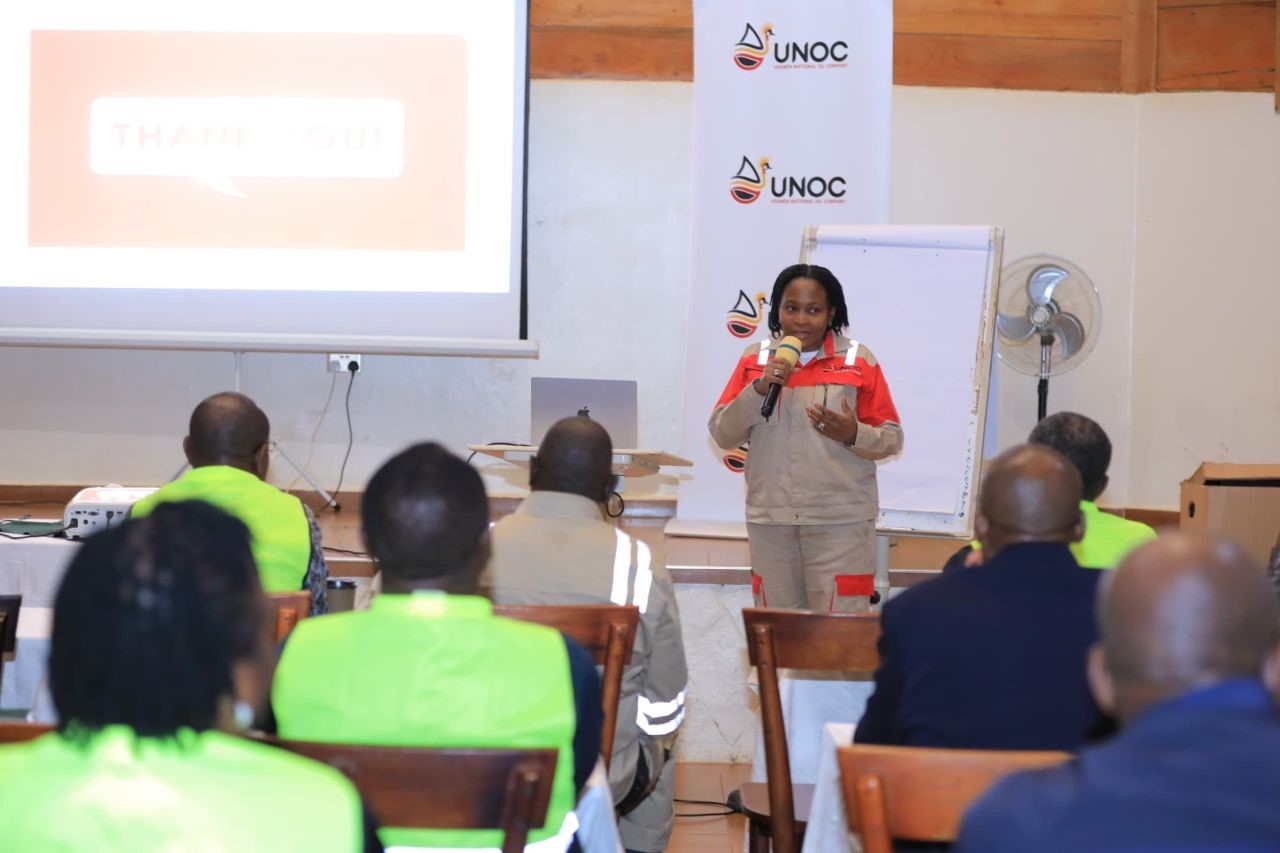

The Uganda National Oil Company (UNOC) organized a familiarisation and oversight field visit for the Office of the Auditor General (OAG) to Uganda’s oil and gas operational areas. This is according to their social media handles.
The visit is in line with the Auditor General’s constitutional mandate to audit and report on the management of public resources. It also provides an opportunity for the OAG team to gain deeper insight into the progress of ongoing petroleum sector projects.
The objective of the visit is to assess the status of key oil and gas developments and strengthen coordination among government institutions involved in the sector.
During the opening engagement, UNOC’s Chief Executive Officer, Ms. Proscovia Nabbanja welcomed the OAG delegation and noted that the two day field program would provide an important opportunity for the team to observe first hand the progress being made across Uganda’s oil and gas projects.
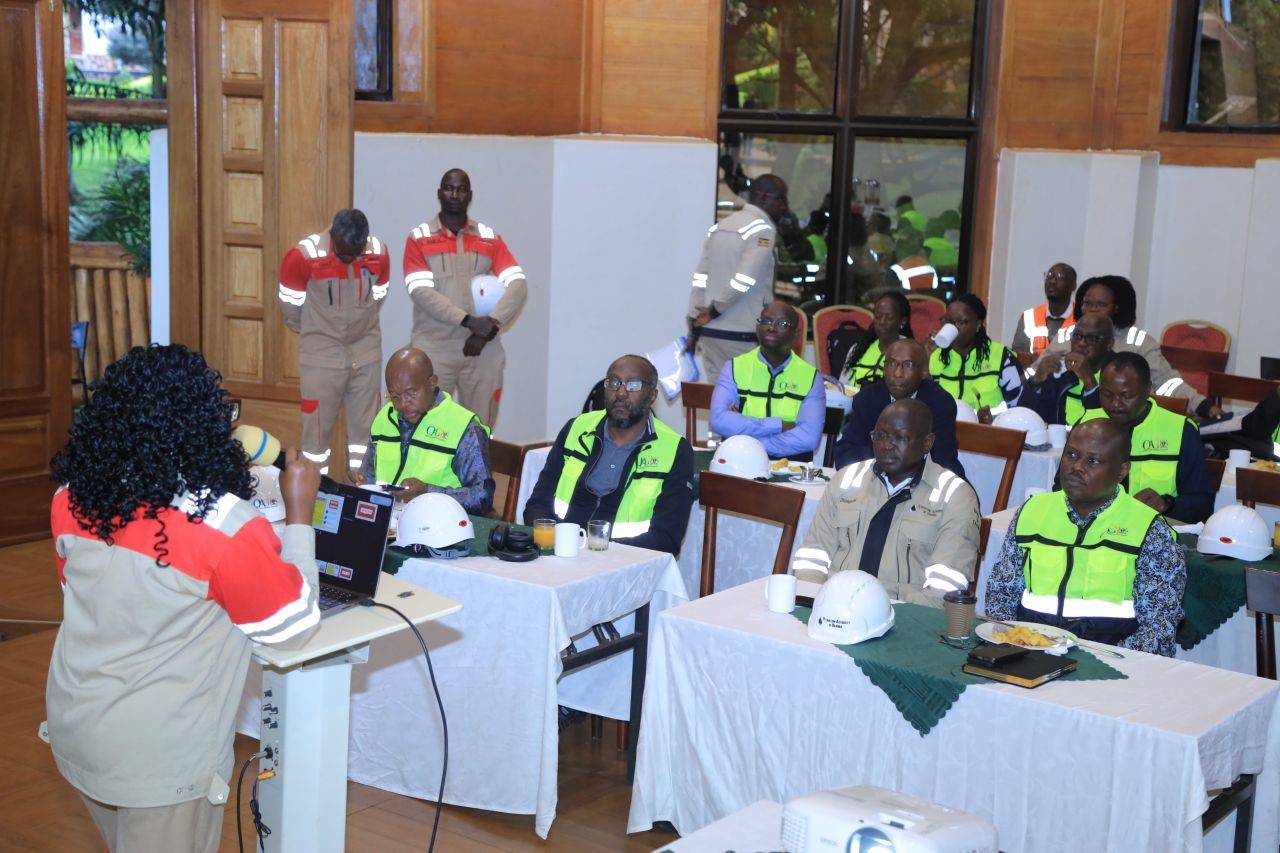
She emphasized the importance of safety and security during the field activities, noting that strict adherence to safety protocols will be observed throughout the site visits. She also encouraged the delegation to take full advantage of the visit by learning, observing, and engaging with project teams in order to gain a deeper understanding of the developments taking place across the sector.
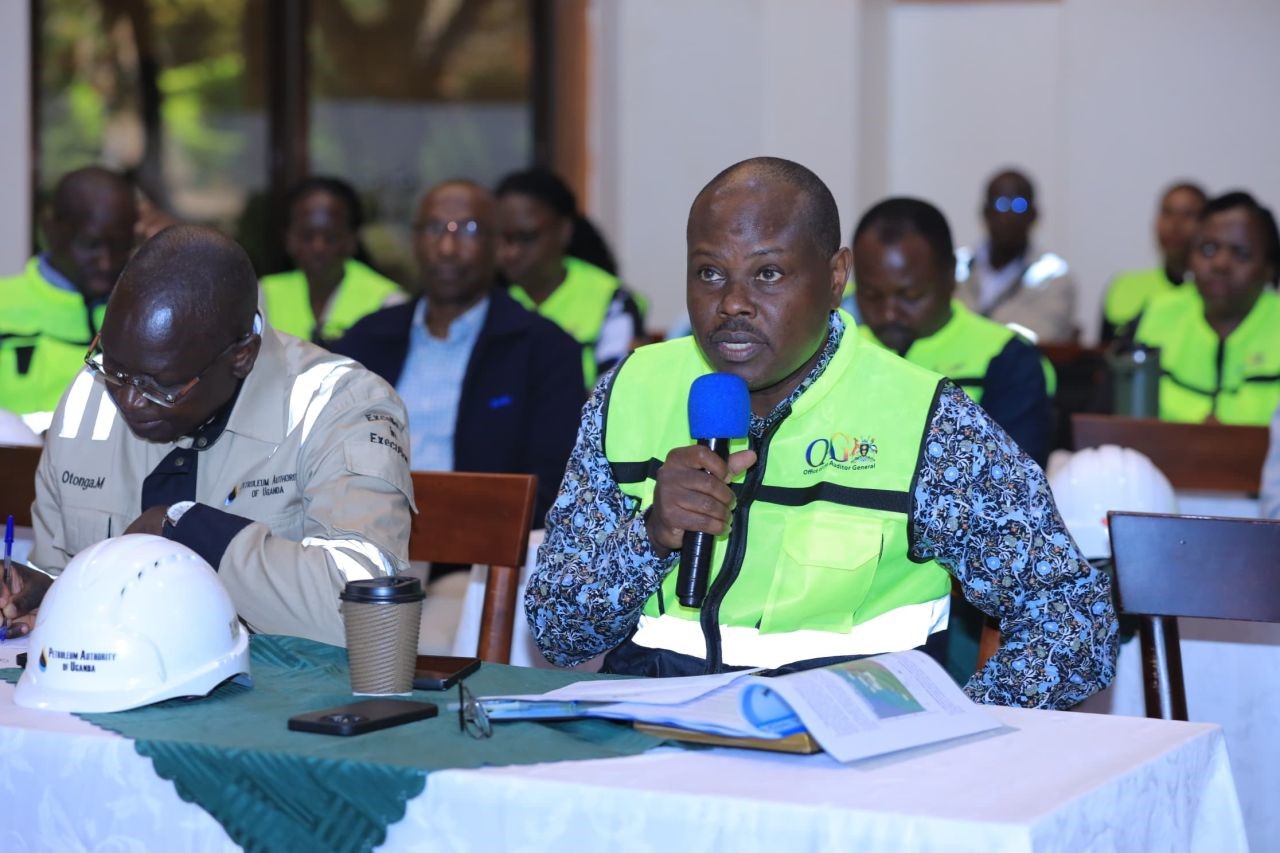
Edward Akol, the Auditor General, commended the Uganda National Oil Company and the Petroleum Authority of Uganda for their comprehensive presentations on the progress of Uganda’s petroleum sector.
He noted that the scale, complexity, and capital intensity of investments in the sector require strong governance frameworks, robust internal controls, effective contract management, and transparent reporting. “Large infrastructure projects inherently carry financial, operational and reputational risks. It is therefore critical that such risks are properly identified, assessed, monitored and managed,” he emphasized.
As part of the program, the team received technical presentations from representatives of the Petroleum Authority of Uganda and UNOC to provide further insights into the ongoing projects after which the team headed to visit the different oil fields.
At the Kingfisher Central Processing Facility, the team was taken through the oil processing operations. The facility plays a critical role in the upstream value chain, where crude oil undergoes treatment and filtration to separate it from impurities such as water, gas, and other substances before being prepared for storage and export.
The delegation also visited Well Pad 2, where drilling operations are currently ongoing. The Kingfisher Development Area has four well pads supporting drilling and production activities, with 21 wells drilled to date. Overall project progress currently stands at over 90 percent completion, marking a significant milestone toward Uganda’s journey to first oil.
As part of the field visit, the team also toured the Kingfisher Drilling and Completion Waste Collection Transportation Treatment and Disposal Facility located in Buhuka, Kyangwali Sub-county, Kikuube District. The facility manages drilling waste generated from the Kingfisher Project and has the capacity to process 13 metric tonnes per hour of oil-contaminated solid waste, ensuring safe treatment and disposal in line with environmental standards.
Such engagements provide an important opportunity for oversight institutions to gain deeper insights into the progress, governance frameworks, and environmental safeguards guiding Uganda’s strategic petroleum developments.